A pensive moment at 18 years old during a college field trip
Perhaps it’s been native anxiety that vexed me in life. I’m a nail-biting kid who grew into a nail-biting adult. The roots of anxiety are chemical but also familial and cultural. Raised in a family with three other brothers, a pushy father, and an enabling mother rife with her own fears (projected upon us) it’s no wonder my life bears marks of self-confidence failures.
That said, there was no more competitive kid than me. I compensated for anxiety by trying to win everything in sight. Sports was also a release for the high-energy needs of a kid with ADHD. But I never rationally understood that condition as a child. I knew that any boring subject turned me into a lost soul staring out the window during class. Or else I drew. Art was something I could turn that attention-deficit focus into something real. Later on, I found writing too. Those three pursuits are my life’s salvation. They fueled whatever self-confidence I could muster through those elementary school years through college.
I once had a 3rd-grade teacher who gave me a choice. “Chris, you can stay inside and work on the classroom play or go out for recess. Which do you want to do?”
Well, I was leading the kickball home-run contest during recess. It made me the hero of the whole school. But she didn’t ask me about that. I told her, “I want to go out to recess.”
“Fine,” she blurted. “You don’t get to do either. You can sit here with your head down the whole period.” That’s what she made me do. She punished me for a choice I had sound reasons to make.
But in 4th grade, I had a teacher whose Robert’s English Series curriculum combined writing, art, and plays. I thrived in that class and wrote about it once on this blog or another. One day I received a phone call from National Public Radio. A reporter conducted a Lexis-Nexus search about that curriculum and my writing was the only article that turned up. They interviewed me about it. It made me feel good to be recognized for appreciating the value of integrated education. It bolstered my self-confidence to hear that someone else understood the value of helping kids, especially neurodivergent kids like me, find self-confidence through innovative teaching.
These days, I substitute teach and notice many kids struggling with classroom attention. Perhaps I should have chosen teaching as a profession, but I’m not sure I had the self-confidence or self-assurance earlier in life to do so. It takes enormous focus for effective classroom management. I might have been too forgiving or unwilling to discipline kids acting badly.
Part of me also resists those tactics because our elementary schools in Pennsylvania used corporal punishment to control kids. In first grade, I shoved a kid for knocking over a Stratego game we were playing during indoor recess due to a rainy day. The kid tattled on me and instantly a vicious old lady teacher named Mrs. Paloney entered the room, grabbed me by the neck and hauled me out into the hallway where she told me to drop my pants and underwear to the floor and proceeded to spank my bare ass in front of other children in the hall.
Trauma transfer
Now, by that age, I’d witnessed my father thumping my brothers to the point where I was traumatized as a child seeing his fury. It frightened me beyond words. So being spanked further traumatized me. Later that afternoon, I saw my best friend spanked out on the playground for committing some small slight. I broke down in tears.
My first-grade teacher, Mrs. Cutler, saw me crying and somehow sensed a deeper fear in me. She escorted me inside and asked, “Is there something else going on, Chris?”
I longed to be honest with her at that moment but didn’t fully grasp why I reacted that way. What I do know is that many years later, during my late 20s, I awoke at night pounding my pillow in a fever dream of anger and rage. That’s the moment I realized that childhood trauma follows you and undermines the ability to have trust in yourself and self-confidence too. Soon after that I sought counseling. That didn’t work because the therapist wasn’t that good at discerning my need to reconcile the longstanding impacts of unfortunate life events.
With my late wife Linda (left) best friends Greg and Francie, and my mother Emily following my win in the Geneva Community Classic 10K circa 1984
The long way around
During my late wife’s eight-year cancer survivorship, I sought counseling to help me manage caregiving for my late father as well. After a couple sessions, the therapist asked, “You seem good at forgiving others. How are you at forgiving yourself?”
That question answered numerous questions for me. It also allowed me to search past relationships and examine social (especially dating!) failures caused by that combination of early trauma, native anxiety and neurodivergent sensitivities. From then on, in my early fifties, I began building a different kind of self-confidence.
Racing in college cross country. Our team placed second in the nation.
Despite my lifelong struggles with a lack of self-respect and confidence, I achieved great things on many fronts. I led teams to national championships in running. I published art prints and won awards for design. I built a literacy project that grew to serve 375,000 families. And I’ve now published four books with several more on the way.
I also stood strong through ten-plus years of caregiving for my wife and father. Through that I learned patience which has an incredible effect, believe it or not, in building one’s self-confidence. I also grasped through experience that I have strong character under all sorts of duress. That strengthened my resolve and confidence in other ways. I walked out my father’s door one afternoon after my mother passed away in 2005 and realized, “This is all up to you, taking care of him now.” And I knew I could, and would, do my best at that.
My father was in fact a loving man whose adoration for his grandkids proved it.
Which meant engaging with my father daily through all his medical and social needs. Over time, I came to realize that despite his fatherhood struggles raising four headstrong boys, he’d done much for me in support of my art and writing and sports. “Pay attention to your craft,” he once advised. That’s the best advice any father can give.
I believe I also helped my brothers dissolve some of their misgivings about our dad. Once the two eldest had trouble engaging with him, that ability improved in later years.
So, while the call of self-confidence waivers at times, and costs me opportunities due to fear, that’s my big “resolution” this year, to shove fear aside and continue on the paths I love. I hope you can too.
Are you overcoming fears this year? Share at cudworthfix@gmail.com
I’ve learned the value of humility the hard way, just like everyone else. As a proud young athlete growing up, my main concern was winning every contest I could find. My older brothers challenged me daily in sports ranging from table tennis to basketball and all points between.
Having older brothers toughens you up. I transferred that sibling rivalry to competing with friends and then participating in competitive sports. At the age of ten, I pitched our Local 285 baseball team to victory in the second game of the Lancaster, Pennsylvania city championship.
Throughout high school and college, I led the teams I played on, eventually turning to running full-time, where I ran as the first man on teams that won conference and district championships. In college, that success continued as I competed as a Varsity runner in a cross country program that won our conference all four years and as a senior captain ran in the Top Five all season, leading our team to 2nd in the NCAA Division III championship. In track I won conference three years and made Nationals three years in the steeplechase.
Even after college, I kept competing and set all-new personal records at distances from the mile (sub-4:20) 5K (14:45) 10K (31:10) 10-mile (53:30) and 25K (1:24:25). In my best year I raced 24 times and won 12 of those road and track races.
The reason I share this journey is to explain that all this training and perseverance was cited by my coach as having extreme value when my late wife was diagnosed with ovarian cancer in 2005. “Your whole life has been a preparation for this,” he told me.
But what I wasn’t prepared for was the degree of patience required to be a good caregiver. As a person with ADHD, I always struggled sitting still, waiting for things to happen, and not being able to “do anything” in the moment. Learning patience when you have to wait for hours to get results, sit in quiet (or noisy) hospital rooms at a bedside with your partner, and keeping track of important details day-to-day, these are all key requirements in a caregiver. I had to learn them. The hard way.
On top of my wife’s care I was caregiver to my father who suffered a stroke back in 2003. Through eight years of my late wife’s survivorship I tended to my father too. She lived through 2013. He lived through 2015.
I learned humility from all that caregiving. Never did I think that I was doing things perfectly. Mistakes are made no matter how hard you try. Sometimes, it’s emotional mistakes. Becoming impatient. Letting anger take over. Getting frustrated when the patient doesn’t seem to appreciate you. Feeling ‘put upon’ when relatives won’t or can’t step up to help.
And there’s money mistakes. Medical too. But you muddle through. But one thing that you learn from all that is practical humility. You don’t think of yourself as better than others. In fact, its possible to be too hard on yourself. One therapist called me on that one. “You seem to be good at forgiving others,” she reminded me. “How are you at forgiving yourself?”
Both of those traits require honesty. You have to “get real” in order to “truly feel” your purpose in the moment. Get to know where your weak points are, and understanding your strengths. Learning to lean on others when (and if) you can, and embrace vulnerability. It’s a superpower.
That brings us to the trouble with hubris. Once you’ve been a caregiver it’s easy to spot false pride in others. It’s painful sometimes to realize how insensitive and willfully ignorant people can be. In the United States, our healthcare system doesn’t favor the weak. It rewards the rich and employed and too often casually disregards those most in need. I read about how Black women can’t get a fair shake in medical offices because practitioner don’t take their word seriously. I’ve heard about other women than my wife feeling something’s wrong in their body and doctors just write off the bloating to water weight when in reality it’s tumors growing on their ovaries and spitting out fluids. By the time they’re discovered, cancer has advanced.
And when I see the callous way that certain political parties treat the healthcare system in America, it makes me angry. Now, I’ve been the beneficiary of non-profit forgiveness of medical debt, so I’m not personally complaining. One time AT&T even wrote off a $500 cellphone bill during one of my wife’s most tenuous cancer recurrences.
But the idea that rich people are now running around passing judgment on programs like Medicare without considering the life stories of those insured through it, or maligning folks counting on Social Security they’ve saved for decades to support them in elder years, it makes no sense why people vote for the hubris of these greedy freaks whose money obsession says more about their own fears in life than it does about their supposed success
Hubris is the opposite of humility, the quality that makes us all better people whether we’re caregivers or not. When you look to leaders, take stock of where their humility meter reads. If they’re arrogant and dishonest, don’t throw your trust their way. They’ll only use you and discard you as fodder for their selfish ways.
In the late spring of 1970, the Cudworth family unrooted itself after seven years in Lancaster, Pennsylvania and moved 750 miles west to the small town of Elburn, Illinois. My father was laid off from work at RCA back east and landed a job with a company called National Electronics (now Richardson Electronics between Elburn and Geneva) as a sales engineer.
For me, moving that far west meant leaving close friends behind back in Pennsylvania. The only thing that made the move enticing for me at the age of twelve was a Polaroid photo of a basketball backboard with a square behind the rim that my father sent back to show us what our new home would look like. As a kid deeply into basketball at the time, and caught up in the “new look” of the game with squares at which to aim a bank shot, that single photo made it seem partially worthwhile to deal with such a big change in life.
New friends
That still left it for me to make new friends in a small town situated on the railroad tracks forty miles west of Chicago. Fortunately, news got around town that I could dribble and shoot a basketball like it was magic, and I met a couple of guys named Mark Strong and Eric Berry.
Within weeks we began hanging out and doing what twelve-year-olds going on thirteen typically do. We played sports and tried to get the attention of girls that lived in town. There were always older guys around with their cars and muscles and cool haircuts, especially in the summertime. The girls were most interested in them, but we still got to hang around with a couple of girls named Allison and Twyla. Both had the last name Anderson.
These were my “new friends” in Illinois.
Nicknames and other games
That summer I went out for baseball as I’d done back east where the team I’d joined won the prestigious Lancaster New Era Championship. We were schooled in fundamentals and played at the highest level for our age. But the first team they put me on in Elburn at 12 years old was a town team for 8-12 year olds. I threw a perfect game and the coaches all gathered ’round and told me that I’d have to move up to the American Legion team for sixteen-year-olds and above.
That set the stage for playing Elburn baseball the next few summers, and my new friend Mark Strong played on that team along with some guys I’d met through school. Our friend Eric Berry wasn’t that interested in baseball, so our friendship ebbed and flowed with the seasons. Yet we still got together to ride bikes around the small streets until well after dark. We’d get bored now and then and with my baseball pitching skills I grew adept at breaking streetlights with roadside rocks. It was small-town entertainment at its “best.” Not.
During the summer months, Mark and I often headed out to the fields beyond the east edge of Elburn where giant ponds filled the clay holes where topsoil had been graded off to prepare for new homes. We’d play army in the dirt or blow up frogs with firecrackers. In winter, Mark and I took his shotgun out for sport. Even though I’d become a birdwatcher by the age of thirteen, I’ll confess to shooting a few sparrows with his 12-gauge. They mostly disappeared.
One early winter day we used our BB guns to peg house sparrows off a large bird house behind his home. What we thought were echoes from our BBs striking the bird house turned out to be a ton of holes in the neighbor’s large glass window. Yes, we had to pay for the damages.
For all our juvenile delinquent instincts, we also served as the town’s paperboy service for several years. Mark and Eric (better known as Eeker, his nickname) owned the route first. They handed the route off to me when I was a freshman in high school. The route paid about $8.50 per week, enough to keep me in candy bars and cinnamon rolls at Kaneland High School. I’d collect the papers at Smith’s Bar-B-Cue in downtown Elburn and deliver them inside the doors of the thirty or so homes on the route.
Competitive natures
For all our friendship endeavors, Mark and I were immensely competitive with each other. We played sports all the time. As luck had it, Mark’s father was the elementary school principal in town. That gave us access to the school gym. On cold winter days we’d head to the school to play basketball or try to beat each other in a game we invented, call it Wall Ball. We used one or two of those ugly red recess balls with the seashell patterns on them. The game had simple rules. You could throw the ball from up to half court and the object was to hit the far wall below a tile line without letting the other guy block it. That was worth one point. Hitting the basketball backboard was two points and actually shooting a basket was worth a whole five points. In the heat of that game, we sank more shots than you might think. We’d play Wall Ball for an hour or more sometimes.
Once we got into high school, Saturdays were when Mark played football for Kaneland High School and I ran cross country. After that, we’d meet up at his house for even more sports stuff. My legs would be sore and tired from racing three miles, and Mark was bruised from football, but we’d take turns playing receiver while his dad played quarterback. Mark was bigger and stronger than me, but not as adept or quick. All told, our games were typically even. Yet I remember a day when I got the best of him for one reason or another and as I left to go home I could hear his father counseling him on not giving up.
Neither Mark or I were the type to quit anything easily. But life has a way of sorting things out no matter how determined you might be to do something. As an 8th grader, I’d won the town Punt, Pass, and Kick contest, advancing to regionals. Part of me apparently thought that throwing and kicking the ball was what football was all about. My father knew better and never let any of his four boys go out for football. He’d seen what it did to his high school and college friends who came away with busted up knees and shoulders. On the day that I was ready to sign up for football my freshman year, my father grabbed me by the scruff of the neck at the locker room door and said, “You’re going out for cross country, and if you come back out of that locker room, I’ll break your neck.” My dad was right. I made the Varsity as a freshman and would likely have been crushed in football. I weighed 128 lbs.
So it was football for Mark and cross country for me. Our mutual friend Eeker drifted into the arts and theater, interests that matched his musical talent. His brothers all played instruments and they’d rehearse playing CS&N and Beatles tunes in the upstairs of the local Catholic Church. The Berry’s were one of the wealthier families in town. Their dad Ed Berry would eventually become mayor.
Eric and I did cross sporting paths in track, where he excelled in pole vault like his brothers Mark and Chris. The Berry boys all had a wild streak and vaulting paralleled their love of thrills that included downhill skiing in the winter months. I also accompanied the Berry Boys in some late-night thievery as they had set their eyes on some fat tire slicks on a vehicle downtown. I never had any instinct for motor sports and didn’t see the thrill in doing “burnouts” in a car, but I crept around to help them get the prized slicks off the jacked-up car. The closest I ever came to laying rubber was making skid marks with my Huffy three-speed bike.
For all our hijinks, there was a moral side to Mark and I as well. We both joined the confirmation class at the downtown church pastored by Rev. Wilhite, who was also my next-door neighbor. Our confirmation class discussions covered everything from the radical scope of the new musical Jesus Christ Superstar to what it means to believe in God. Reverend Wilhite was an able guide as he spoke to church doctrine while remaining open-minded to the coarse speculations of young minds.
My parents attended a church in Geneva but I had decided on my own to get confirmed at that little church in Elburn. I wasn’t alone in that. Many friends from Elburn and Kaneland Junior High joined us in that naive but earnest effort to commit ourselves to faith in some way.
A social kid
Mark and I remained friends into our high school years but being in different sports did drift us apart a bit. Plus, the social system at Kaneland was often harsh and involved a ton of hard teasing and worse. I remember times when our peers mocked both Mark and I for various reasons. They gave him the nickname Roy, which wasn’t a compliment. My nickname was Woppo based on a mistake I’d made in some half-assed art class where I wrote my name Cudwopth rather than Cudworth. First came Cudwop, then Woppo. Mostly it was a term of endearment, but always with a tone of snark to it. I was a popular kid yet still a dopamine-driven dreamer with a lack of self-esteem. A classmate once walked up to me during a track meet and muttered, “Cudworth, you’re just a hayseed.” Honestly, that was pretty accurate. I was a child of the outdoor margins, happiest when trouncing about in the Elburn Forest Preserve finding new bird species.
But I always came back to the realm of sports, and during the winter months that meant hours playing basketball in one sphere or another. My homework suffered and my Converse shoes wore holes in the bottom. More than one set of glasses met an awful end thanks to the elbows thrown in basketball. That’s me, #10 in the photo below.
I don’t recall if Mark went out for wrestling but that would not have surprised me. He was a tough-minded guy in many respects. In classic guy fashion, had quite a protracted arguments on subjects such as whether basketball or football players were better all-around athletes. Mark said football. I said basketball of course. I was loyal to the game because I was decent at it. It gave me self-esteem as even older kids invited me to play games at Morris’s barn, an actual farm structure with a b-ball court in the upstairs.
By the time I was a sophomore I’d become class president as a somewhat popular kid. I didn’t know a damned thing about what I was supposed to do in that role other than choose the class ring. That was one of many moments in life when I accepted a job without a clue about what it involved.
An ordered mind
Mark was a direct contrast to that approach. I seem to recall him working a summer job inseminating cows at a big facility north of Elburn. He described the work of plugging cows with semen packs and I almost puked thinking about it. The truth is that Mark had a pragmatic streak that bordered on stubborn. He didn’t blanch at hard work or being honest. For that attribute he became the butt of teasing at school as I recall. I may have joined in on some of that too. We all did.
Kaneland (like so many high schools) was at times a cesspool of ridicule. There are always smart people in every social circle who engage in dumb rituals by making fun of others. We’re seeing it in spades in the United States these days. The habit of mocking or ostracizing people to gain social or political advantage is common in American society. Anyone who strays from the “straight and ordinary,” or thinks or acts differently is open season. When those belief systems become institutionalized in any way it can tip whole societies.
My painting of a bird house and wren in my mid-teens
Those of us trying to buck those trends at any scale find it hard to swim upstream. I got mocked for my birdwatching during high school. Even as a successful athlete I got manipulated by guys with less talent to stop believing in myself. People often tried to bring you down a rung or use some social cue to make you feel inferior. I even recall have female friends that I trusted and being told they weren’t worth it if I wasn’t somehow trying to get something from them or “hustling them.”
As a person eager for approval, I might have fallen prey to some of those pressures had our family stayed in Elburn. That wasn’t to be.
Moving on, moving out
In the middle of my sophomore year my father announced that we were moving from our big home next to the “deaconry” in Elburn to a little house in St. Charles. I was torn in two by the decision because I’d worked hard to make good friends at Kaneland, yet at the same time sensed there was always opportunity for change.
Rumors floated that I was “recruited” to St. Charles by the track and cross country coach Trent Richards, a Kaneland graduate that had coached me in Elburn baseball. Frankly, I wasn’t that great of a runner to be the subject of recruiting or any other tactic. I was just a kid who could run decently trying my best to make a place in the world.
The process of leaving Kaneland for a nearby school was awkward at best. Some of my classmates thought I was doing it on purpose, but the facts were different. I never had any say in the matter. Twenty-five years later, my father told me that we left Kaneland so that my younger brother (6’6″) would not have to play basketball for the slowdown offense at Kaneland. As it turned out, my dad made a good decision. My brother earned All-State Honorable Mention at St. Charles and earned a D1 scholarship.
When my father told me why we moved, I replied, “What about me?”
“I knew you were a social kid,” he responded. “I knew you’d get along.”
No goodbyes
I don’t recall saying goodbye to either Mark Strong or Eric Berry when we moved or as some painful goodbye after the last day of school at Kaneland. That day was anticlimactic, as I recall. My dad picked me up after the last day of classes and we drove away on a warm spring day.
After that I lost touch with most folks at Kaneland except when my buddies at St. Charles wanted to meet the pretty Kaneland girls. I told them, “Look, I didn’t have an inside track when I went there. What makes you think I could do any better now?”
As an athlete in St. Charles, I’d wind up competing against Kaneland in cross country, basketball and track. I was admittedly jealous when the Kaneland track team won the state championship during our senior year. On that front I wondered what it might have been like to stay at that school. Would I have been better or worse off?
A partial answer to that question came weeks after the last day of high school. My “former friend” Mark Strong called me one day and said, “Come on. Let’s go to a party they’re having outside of town. I have some new music for you to hear.”
We piled into Mark’s car. It was good to see him again. He turned the key and started the engine. Then he popped a tape into the deck and started blasting Bruce Springsteen’s new album, Born to Run.
In the day we sweat it out on the streets Of a runaway American dream At night we ride through the mansions of glory In suicide machines Sprung from cages on Highway 9 Chrome wheeled, fuel injected, and steppin’ out over the line Oh, baby this town rips the bones from your back It’s a death trap, it’s a suicide rap We gotta get out while we’re young ‘Cause tramps like us, baby, we were born to run Yes, girl, we were
Mark looked over at me and smiled. “I knew you’d like this…”
I had not yet heard of Springsteen. Then he played some new Supertramp from Crime of the Century. The lyrics in the middle of song nearly knocked me out.
Write your problems down in detail And take ’em to a higher place You’ve had your cry, no, I shouldn’t say wail In the meantime hush your face
Right (quite right), you’re bloody well right You got a bloody right to say
It felt good to connect with him again. But later at the party we got separated and I was left to wander a backyard bash rife with all kinds of drugs and booze. I was now completely out of my league. The most I’d ever done in high school was drink a few beers. I saw people on speed and pot, drugs that were completely unfamiliar to me. I don’t remember how I got back home that night. Perhaps I found Mark and he drove me to St. Charles. I was relieved. Not saying that I blame Mark for that experience. Quite the opposite. In many respects if was revelatory. I’d learned all I needed to know about the previous two years. I think he was trying to tell me, in some ways, that he was a survivor.
Perhaps it was our mutual experiences dabbling in Christian thinking when we were just 8th graders. Or maybe it was just riding our bikes on quiet streets in downtown Elburn with the stench of the meat packing plant filling our noses that taught us the world could be a stinking place to be. I know now that Mark went on to some challenges in school and such, just as I had done. But he emerged a thinking man and these days, as we recently shared over coffee, he’s a man of strong faith and in eager pursuit of truth related to his religion.
The Sodom Dig
So we caught up recently and I learned that Mark has spent the last several years as an active archeologist working a dig that is suspected to be the city of Sodom, famous in the Bible for its destruction by some cataclysmic event. The dig is ongoing and was the subject of an article in Nature magazine. This is one of those cases where science converges with religion and people are trying to figure out what it all means.
Mark shared one fascinating perspective with me about the findings there and other archeological work in Jordan and other Middle East locations. “We’ve disproven the lineage of Adam through Jesus,” he wryly noted.
“Whoa,” I replied.
“Yeah,” he chuckled.
This is the aspect of Mark Strong that I find most interesting. He unrelentingly follows what the information tells him. Yet he’s also a saved, born-again Christian. In other words, he’s exactly the kind of Christian this world needs if it’s going to be honest about the tradition, history and truth of scripture and everything after.
That’s interesting because while I approach scripture more from the aspect of what I call “outcomes” related to religion and history, science and politics, we have engaged in what one might call “convergent evolution” when it comes to our respective beliefs. Mark is clearly a bit more “conservative” in some aspects of his worldview. I am certainly more “liberal” in my outlook, believing that Christian tradition has gotten many things wrong over the years. But look at us now. We’re still capable of having the same kind of healthily competitive relationship that we did fifty years ago.
We’ll meet again sometime soon. Because while we laughed at some old stories, our worlds now convene very much in the present. He said a prayer for me before we left. I was graced by that action and don’t take such sincerity lightly. That is the right kind of pride, to care and be cared for. We should all be so lucky to cycle through life with that in mind.
Taking pride in vulnerability does not mean always being scared or sad. It’s quite the opposite. It’s about being authentic in whatever situation you find yourself in life.
One of my new work cohorts encouraged me to take an Enneagram test to see where my personality fits on the spectrum of such things. I signed up on Truity and paid $19.99 to get the full results. The outcomes were interesting, with all my best qualities and flaws laid out in black and white.
Somewhere late in the PDF, which is replete with graphs and charts about personality and life traits, I noticed a quote highlighted in the headline of this article. “True strength comes from the courage to be vulnerable.” I sat there a minute and thought: “That’s exactly what I meant by calling my book “The Right Kind of Pride.”
The Right Kind of Pride is precisely that: the consistent action of taking pride in the willingness and courage to be vulnerable.
As for that book, I’m pretty sure that some people are scared or uncomfortable about reading a book about cancer survivorship. But it’s not JUST about that. The eighty-plus blogs I compiled speak to the the value of authenticity in all situations.
Here’s the basic fact: All of us must be survivors of one kind or another. Plus, none of us gets out of this world alive. All I can say is that when it comes to getting through the tough things in life, vulnerability is truly powerful.
Caregiving
Before our marriage in 1984.
Over eight years of caregiving that was the principal way that I found hope and support.
Originally, I oversaw my mother’s journey through lymphoma and pancreatic cancer, followed by a stroke and finally hospice. Her passage left me in charge of caregiving for my father Stewart Cudworth, a stroke victim from 2002. I would remain his caregiver through his passing in 2015 at 89 years of age.
That all began in 2005, the same year that my wife was diagnosed with Stage IIC ovarian cancer. Immediately I was graced by an offer of support from the preschool director and her team of teachers at the school where my late wife Linda taught. For the next eight years, those people and many others (thank God) were willing to help us through the ups and downs of cancer treatments, including surgeries and recovery, chemotherapy, prodigious drugs and side effects, and emotional challenges deeper than we’d ever imagined possible. We’d make it through one segment of treatment to remission only to have the cancer return. That progressed with rapidity like the sound of a ping-pong ball as it taps out from its original dropped height.
During all that time I blogged to our caregiving support group about the blessings and challenges we experienced, and things we learned along the way. Those blogs formed the bulk of the book I wrote titled The Right Kind of Pride. Then I wrote a prologue and epilogue, including A Goofball’s Guide to Grief. Because I am. A goofball.
Making the most of my hair before it all went away in my late 20s.
Personal journal
But I also kept a personal journal for thoughts that were not ready for public consumption at the time. I’d actually forgotten about those words until recently when I opened up a thick journal given to me by my mother-in-law for my July birthday in 2012.
I’d been thrown out of work earlier that year by an employer who fired me the day after they learned my wife had cancer. So I was freelancing and trying to cover everything from COBRA insurance costs to the daily costs of living. Fortunately, I was able to find bits and pieces of work to tide us through, all while dealing with the difficult fact that Linda’s health was decreasing in quality. She started having seizures in the fall of 2012, and then we discovered a brain tumor that required surgery, radiation and steroids to treat, and after that, things got really tough.
Calm realizations
At that point in February of 2013, I landed a new job and was trying to do my best at it. But the daily challenges of helping her through were significant. By February 11, it was even tough for her to get around. “Linda sleeping on the couch upstairs,” I wrote in the journal. “Chuck is on the Ottoman, leaning on my leg until a few minutes ago. Following me around all day. Linda improved a bit, for a while anyway. Big day tomorrow. Meeting Dr. Ferris and Dr. Dolan.”
We made it to the appointment with the medical oncologist Dr. Ferris. But things didn’t go all that well. She could barely stand to lie on the table, and the doctor pulled me aside and made a calm recommendation of palliative care going forward. I knew what that meant. And besides, Linda was too exhausted from gut swelling and fatigue to make the trip from Warrenville to Advocate Lutheran General to see the physician that treated her so well from the outset. I could barely get her home.
Constructive thoughts
I wrote in the journal on February 14, Valentine’s Day 2013, “Well, my objective with this journal is to focus on constructive thoughts rather than destructive, which so many other journals in this house seem to have been. In a constructive fashion, therefore, it is still important, most important, to acknowledge that Linda Mues Cudworth––or Linda Ann––is in the process of dying. She has been a most wonderful wife all these 28 years, and wants to continue if only she could. But her cancer is catching up with our dreams of going places together and doing things. We had both promised to get to Glacier this year––together, if her health would allow it. Now it seems more likely she will be gone, the earthly part of her that I so love anyway. Our relationship has gotten richer these past 8 years. Richer than money and wealth combined. Our mutual failings and weaknesses have fallen away. She has told me that she loves me and I believe her now. I have told her that I love her and she knows it now. Our wedding vows have been fulfilled; for richer or poorer, in sickness and in health, till death do us part.”
We made many trips to Decorah, Iowa over the years. One of the prettiest spots in the Midwest.
Reading those words again nine years after she passed away on March 26, 2013, gives me both sadness and satisfaction. We did the best we could all through those years. “Sunrises and sunsets still await,” I continued writing in the journal that February. “And spring as well. Hurts so much to know that she may not be with me. So soon. So sudden. Yet we have lived well together, the best we know how. I love you Linda. I always will. God Bless your kind and spirited heart. Forever.”
The promise of vulnerability
It would still be weeks before the end of her life came. But we opened our lives at that point, trying to bring our children and family, friends, and associates into the sphere of vulnerability. If you absorb nothing else from these words, please embrace the truth that “true strength comes from the courage to be vulnerable.” We lived that reality and I can promise you that while things don’t always happen or end how you’d like or expect, the courage to be vulnerable is one of the most valuable human traits of all. It expands all the good things that life has to give.
It’s fascinating to study yourself objectively through a test like Enneagram. It’s a valuable thing to learn what emotions and character traits drive you from within, and how that translates to life and relationships. And it’s the core of who we are that matters. Letting others see that in you can be a wonderfully empowering force in life.
Linda Cudworth passed away on March 26, 2013. While appreciating her life, I am grateful for the things life and love continues to bring.
The day after Christmas in 2012, my wife Linda and I were scheduled to meet with a neurologist at the Central Dupage Cancer Treatment Center. We managed to have Christmas together with her family that year even though her father passed away that winter. He’d had a heart attack while sawing up a giant oak in his own backyard, Following that incident, he developed dangerous swelling in his legs that ultimately led to kidney failure.
All that fall, we teetered back and forth between hope and reality for my father-n-law. He did kidney dialysis, and it seemed to work, but swelling kept coming back.
Meanwhile, Linda was experiencing an series of seizures. We thought they were a side effect from yet another set of chemotherapy treatments. In any case, it was scary stuff. We’d be out for a gentle walk and her body would start to tremor and shake, but she refused to give up her love of movement and being out in the sunshine.
A combined team of oncologists from Central-Dupage hospital and our longtime gynecological oncologist Dr. James Dolan conferred on her condition. Finally a test was ordered to check the condition of her brain. On December 26, we found out the disturbing news. The ovarian cancer that had afflicted her since 2005 had reached her brain.
“It’s not supposed to be able to breach the blood-brain border,” an oncologist told us. “But here we are.”
We sat together facing yet another shock on December 26, 2012.
It had been a long and difficult year. Back in March, I’d been fired from my job the day after the company learned that she had cancer. We’d kept her cancer a private matter when I started the job, but I finally had to tell them when it came roaring back late that winter. I knew that she’d require more attention with driving her to appointments, staying with her through chemotherapy and taking care of her in between treatments.
Granted, we had a wonderful caregiving team built up around us, but there are always some things that only the immediate family can handle, especially in a life-threatening situation. So I explained our situation in simple terms to the company where I worked, and they promised us support. That was on a Monday, but by Tuesday morning they came forward with an accusation that I’d breached company policy by posting an image of the work I’d done for a client on my personal website. When I walked into work that day, I came face to face the owner, an HR director and a lawyer equipped with all kinds of documents telling me that I’d somehow put the company’s reputation at risk.
No consideration was offered for the stress I might have been under, or how that situation might have affected my judgment. I was out the door and soon forced to pay $2000 a month in COBRA premiums to hang onto medical insurance. All because the owner was frightened that my wife’s condition might increase the company’s insurance premiums.
I appealed the case to the Unemployment system and was blown out of the water by the judge holding the teleconference. He introduced all the evidence the company presented and disallowed everything that I’d provided in relation to the case. I was railroaded, in other words, by a labor-sympathetic judge. Even my best friend, a labor law attorney, was disgusted by the outcome.
But rather than dwell in that space forever, I chose to reach out to that owner in subsequent years and we talked about all that had happened. Forgiveness took place.
But that didn’t help us in the near term.
Little miracles
That summer we struggled to make bills, and sat together praying one night that I’d find a freelance job to cover the $3500 we needed to make ends meet. That next morning an envelope arrived through our front door. It was stuffed with $3700. We hadn’t spoken to anyone about our situation. Other money from our church came our way as well. We hung on, kept her treatments going, but the cancer was relentless. By fall, a tumor was discovered next to her colon. If it could not be removed, the whole colon would need to come out. Then she’d need a colostomy operation. I admit that I was not looking forward to that outcome.
The gynecological oncologist did miracles in the surgery room and my selfish prayers were answered. And then, the day my wife got out of the hospital after surgery, we drove straight to the hospital where her father lay dying.
Crash course
My cycling jersey after the bike crash in September of 2012
As if that had not been enough challenges to face in 2012, I was still recovering from a bike accident that happened earlier that fall. In September I was cycling in a rare weekend getaway with friends while my wife staye back home to spendtime with her family. During the ride, I was cruising down a long hill at 40 mph when a case of bike wobble set in. I crashed in dramatic fashion, flying off the bike and tumbling down and embankment where I lay in shock with a broken collar bone. My friends didn’t know where I’d gone. One of them was ahead of me by fifty yards and the other had not yet crested the hill when I crashed. So I got help from a band of other cyclists who called for an ambulance. I wound up in a tiny Wisconsin hospital in Dodgeville. They pumped me full of Vicodin until someone finally reached the wife of one of my friends. She’s a nurse, and she came to gather me up for the trip back to our campsite.
All that time, my wife was at her parent’s house having yet another seizure. My daughter begged her to go to the hospital, but in typical fashion, wife refused. When the call came that I’d been in a bad bike crash my daughter was in the center of all sorts of trauma. A dying grandfather, a mother shaking to death from cancer, and a father now injured badly after a bike accident.
The effects of trauma
We tend to take these traumas too much for granted in our lives, but they do have long-term effects. We grieve, but perhaps we do not fully process what’s gone on. We move out of that emotional space, but probably not all the way. We deal with what we can in the moment, but life has its demands. So we trundle on. Not fully healed, yet not terminally damaged. If we’re lucky.
During the late stages of my wife’s life, my son was working in New York City. He had to deal with all this strange news from afar. “Do I need to come home?” he asked. It was hard to tell him everything that was going on. It was even harder to figure out what expect of him. My wife said, “Tell Evan I’m fine. I don’t want him to worry.”
My daughter was finally off at college after two+ years of coursework at a community college. She was doing amazing things in her communications studies, even doing live spots on public radio that summer. Her mother was so proud and amazed. We’d sit close to my Mac listening to the live stream and she’d turn to me and go, “That’s Emily!?” Hearing our daughter work professionally on the radio was a welcome joy.
Dealing with the options
But the events of that year kept overwhelming us. And that brings us back to that moment in the cancer treatment center when we found out that my wife’s cancer had moved into her brain. “Here’s what we can do,” the neurologist told us. “We can go in through the top of the head and excise it. Then we’ll apply radiation.”
We sat there thinking about those options. My wife did not have to think long. “Yes,” she said with resolve. And she smiled, “I mean, why not?”
Why not, indeed. We’d been through multiple surgeries, countless rounds of chemotherapy and many times, we got back to some form of ‘new normal.’ But this felt different to me. I looked over at her and smiled. She gave a thumbs up sign when she was ready to go.
Before the brain surgery and radiation. I’ve kept this photo for ten years.
So we came back for the treatment. They didn’t even have to shave her head. She’d lost her hair several times over through treatments, and this time her hair had not come back at all. She stripped off her wig and they began the process of affixing a stabilizing unit to her skull. It consisted of a circular metal band with screws that would be used to hold her head completely still. She posed for a couple quick selfies using the Photo Booth application in my little black Mac Laptop, and off she went.
The treatment worked. They captured and killed the cancer in her brain. The seizures stopped. They gave her a steroid prescription to deal with the swelling caused by the surgery and radiation. From there it was off to the races. Those steroids turned her into a Survival Machine. Her personality became magnified. She cleaned and cooked and sat up writing lesson plans for the preschool classes she taught. But as the steroids added up in her system, her sense of judgment disappeared. She spent money we didn’t have. One night she researched a new car, and that next day, we drove to the Subaru dealership and bought it. I wasn’t sure if she was getting money from her parents or what, but I sensed that something final was happening, and decided to go with the flow.
The steroid effect
Toward the end of February, she could no longer handle teaching at the preschool she loved. Her spaciness increased, and it frankly put the children at risk. I collaborated with her director to ease her out of the position. That was absolutely necessary. Yet despite our efforts to be kind, something in her broke the day that she learned she could no longer teach.
Once the steroid prescription was eased, her body and mind fell slowly back to a normal state. That was when I knew that she would not live much longer. The stress and fatigue of eight years of cancer survivorhood wore her out. During one of our last visits with the oncologist before bringing her home for palliative care, she was too damned tired to even get off the treatment room table. I spoke quietly with the oncologist that day. She was kind. And honest. And earnest. “Take care of her,” she told me.
Linda Mues Cudworth passed away peacefully in our home in March of 2013. My son and daughter were together with me that night. It is both a blessing and a strange truth to be present when someone you love that much passes into eternity.
Aftermath
We’ve all gone through gyrations in the wake of her passing. My son suffered through depression and a period of addiction. He’s emerged with a will not just to survive, but to help others process their mental health in constructive ways.
My daughter was just coming into her own as a young woman when my wife passed way. In many ways, that left a void in her that is hard, if not impossible, to completely heal. Every year, she recognizes more of her mother in herself, and the pain of losing her mom keeps turning over. Those are legitimate feelings. I know other women that have lost their mothers. I wish at times they could all talk with my daughter.
As for me, I’m not sure that I fully processed all that happened that year, or perhaps the many years before. During my wife’s eight years of cancer survivorship, I was also the primary caregiver for my father after my mother passed away from pancreatic cancer in 2005. That was the same year that my wife Linda was diagnosed with ovarian cancer.
My father lived another four years after Linda died, and I did my best to take care of him. After my wife’s passing, I admit that what I wanted most was to be free of the constant pain and fear involved in caregiving. But there was still a job to do.
Coping
During the eight years of caring for her, I’d been on and off supportive medications such as Lorazepam to help me deal with the anxiety of caregiving. It did its trick as needed, but some of that stress sinks deep into your soul.
I recall trying to ride my bike with friends during that period. I’d be out on a fifty or sixty mile ride with them, but when it came time to ride hard or compete, as cyclists love to do, I often did not have the will to keep up. I’m pretty sure that what I experienced was an active sort of post-traumatic stress disorder. Not the kind that comes from being in a war, or witnessing a murder, but the kind that comes from not being able to deal with personal shocks over and over.
As a form of therapy, I started blogging to our caregiving group to communicate some of the feelings I had about the things we were going through. Much of that was quite positive, and I’m proud that we found ways to find blessings and hope in all that trauma. That’s the right kind of pride. This blog is an echo of all that.
Anniversary
But this year, when December 26 rolled around, I realized it’s been ten years since that strange day when we found out that the cancer had moved into her brain. Once we knew the cause of her seizures, it explained quite a bit about what was going on with her body
But it also brought on conflicted feelings in my mind. Should I hope for her to continue going through the stress and pain of cancer survivorship? At that point, I began to grieve in real time. I understood that I no longer wanted to see her go through the awful stuff. The sickness. The numb feet and hands. The fear. The trauma of surgeries. The loss of life quality. Giving up the things she loved to do. None of that is ever what I wanted for her. It certainly wasn’t what she wanted. Some part of me was relieved when the pain was over. Through faith and reason and love of life, I began to move on.
For these reasons, I got ahead of most of the people in my life by recognizing that she was not going to make it through the year in 2013. I didn’t know how long it would be before she died, but I knew for certain that it would happen. Even her doctors were astounded at the job she’d done for so long in staying alive.
That’s not the kind of news that people want to hear from the primary caregiver, so I kept it to myself. Perhaps that was a mistake of some sort. But my wife had plowed through so many obstacles during her years as a cancer survivor that none of us could imagine it coming to an end. She was so tough about staying alive it did not make sense to question her. She surely showed us all what it means to love life. She loved her children fiercely, almost to a fault at times.
Endings
So we didn’t make end-of-life elaborate plans. We were so occupied with keeping her alive that we never discussed what to do when she died. But earlier in life, we’d talked about cremation, so that’s what we did. Her ashes rest under a grave marker next to her father in the Lutheran cemetery in Addison where she grew up. That town was the place where she attended the church gradeschool, then moved on to Addision High School. She graduated Magna cum laude from Northern Illinois University.
We met in October of 1981 and she lived until March of 2013. In all, we had a great life together; full of family, friends and most of all, our children.
The lilies being watered in our garden, circa 2011.
She also loved her garden so much that it’s hard to describe the satisfaction she got from her green craft. She’d sit in our LL Bean Adirondack chairs staring at her garden with a glass of wine, or a margarita, or one of her strong gin and tonics in her hand, and just enjoy.
Perhaps that’s why I moved on quickly from the trauma of her last year of life. That’s not how I wanted to remember her.
I chose to remember her cherishing the work she loved. She also told a close friend, the preschool director who served as our close caregiver for all those eight years, that she knew I’d date if she ever passed on. But that friend waited a full year to share that quiet bit of insight with me. I thanked her for waiting. We all need to make decisions on our own terms. I’m grateful to have had a wonderful life with my late wife.
I’m also enormously grateful to have found love again.
Gaining traction
Life is often complicated, and even the people closest to you have a hard time understanding the reasoning or motives behind some of the decisions we make or the changes and impacts that come with them.
Ten years on from December 26, I hope that people gain from reading this and find ways to embrace life even in the face of trauma, and even if life turns out different from what they expected.
It’s indeed a strange thing to go from the traditional joys of a December 25th to facing moments when the world itself seems to shift underneath your feet. Sometimes the best thing to do is to keep those feet moving, to find traction in the things we do and love every day. And please, let’s forgive ourselves for wishing the world would just stand still now and then. Take some time. Look at your garden, whatever that means in your life. It is the work of your life.
People nearing my age often retire. Some run their career course and it makes absolute sense to cash in and cease working in the conventional sense. Others plan wisely and have the financial resources to allow them to quit working and do what they want with the rest of their lives. I’m glad for all those who achieve those milestones. They’ve typically earned them.
Yet I’m also glad for people that choose not to retire at a given age. While the age of 55-65 is often the traditional age for retirement, there is nothing that says you have to quit working at that stage. Our current President of the United States, Joe Biden, is 78 years old. The masterful Bob Dylan just turned 80. Many great artists work even into their 90s. What’s the damn rush to quit working?
Still, the pressures to do so can be daunting. I know a sales executive, now retired, who could not find employment after his company consolidated departments and he wound up on the outside. He’s living now in Arizona, and enjoying it. But at first he was hurt by the sense that he was no longer valued in a working way.
Those are challenging emotions for people at any age, and losing your job or needing to step back from employment is often a solid blow to the ego. So much of our identity is tied to our working life.
There is also the sense of “earning a living.” During my peak earning years I found myself out of work several times during caregiving for my late wife. At several times during eight years of caregiving she needed me home to take care of her through surgeries, chemotherapy treatments and recovery periods of both physical and mental consequence. The timing was seldom convenient to long-term success or building the perception of a steady-growth career. Each time I peaked in income, rising from $80K to $100K, cancer whacked us with a recurrence, and it was hard for her to work as well.
It felt like starting at Square One during each of those comebacks. Sometimes the return to work involved taking lower-paying jobs that were closer to home during periods of cancer caregiving. I won’t claim that I was a perfect employee during those periods of change, either. During those eight years, I was also principal caregiver to a father who was a stroke victim. The dual demands were daunting.
Yet I still managed considerable successes that included winning large accounts, earning national awards in public relations and marketing, and building a literacy project that served more than 375,000 families. But my failures included forgetting meetings, allowing the occasional typo to slip through, and trying too hard to protect my job by posting a sample of client work to my personal website. I was under enormous stress in the moment and didn’t think that decision through. It led to my dismissal just a day after I’d revealed to the company that my wife was a cancer patient. They brought in a lawyer to protect their interests in that circumstance after they’d promised to support us no matter what. It was hard not to consider that a cheap shot.
Plus, that situation left me with no job and COBRA insurance premium payments of $2000 a month. To say that some of our premium earning years were compromised by cancer struggles is a massive understatement.
So I’ve forgiven myself for not retiring at age 55 when some of my peers managed to do so. But here’s the odd truth about my actual attitude. I’m not eager to retire. In many respects as a writer and content developer, I’ve never been more capable and productive. Quitting now would be a shame, from my perspective. I still enjoy the challenges work provides.
I’ve also been an athlete all my life, and I’ m swimming, riding and running every week. I enjoy the sensations of being fit and active. That aligns with my daily writing, painting or producing creative content across a spectrum of platforms. Perhaps it would be nice to retire, but I feel like I’d still be doing the same things I do now even if I weren’t traditionally “working.”
As for a retirement plan, there is still time to make up the difference and that’s what I plan to do. The other main goal I have in life is to MAKE A DIFFERENCE. That is why a series of books I plan to publish are so important to me.
The first is a book titled Honest-To-Goodness: Helping Christianity Find It’s True Place in the World. It is a treatise on the roots of Christian tradition and how legalism leads so many people astray. It is a collaborative project with a Professor or Religion named Dr. Richard Simon Hanson.
The second is a book titled Nature Is Our Country Club. It is a book about the way golf courses thirty years ago realized there was a better way to manage their properties than pouring chemicals all over the ground and mowing everything in sight. The narrative traces how natural landscaping relates to the world at large, and what the human race needs to do in order to protect the earth on which we all depend.
The third book is Competition’s Son, a biography about life that deals with the effects of competition in all aspects of life; learning, sports, family, relationships, business, religion, success and failure, and emotional conditions ranging from anxiety to joy, from depression to salvation.
The first two books are finished and being prepped for release. My goal is to begin speaking and producing content around those topics going forward. All the while I’ll continue working because I love what I do. I’m glad for those who retire, but I’m also glad for those who don’t.
To me, that’s the Right Kind of Pride. How about you?
My rendering of a female figure from a life drawing class in college. There was seriously not a trace of lust in me while creating this image.
So many of us are taught to not feel proud about having sexual feelings. Yet human beings are biologically wired to have sexual attractions of one form or another. Many of these are characterized as taboo or against the teachings of a particular religion. We’re told these feelings are sinful and are thereby urged to repress some of nature’s most powerful instincts.
Feelings of sexual desire are loosely characterized as “lust,” a word that bears a negative connotation in context with scripture and other moral guidebooks. To “lust” after something is characterized as a craven or base instinct, something to be resisted. The website Biblestudytools.com describes it this way:
Lust is a temptation and an evil that overcomes many of us. It is born of Satan and the flesh. Every single one of us is subject to lust. If we are to overcome it, we must be strong. Use these Bible verses to find out why you should resist lust, and use them to strengthen yourself.
The quote attributed to Jesus in Matthew 5:28 is most often cited as a directive to resist lust at all costs:
28 But I tell you that anyone who looks at a woman lustfully has already committed adultery with her in his heart.
A drawing I produced from a Playboy centerfold when I was a sophomore in high school. There was definitely lust involved in producing this drawing.
This is an image of the centerfold from which I rendered the drawing above. The beauty of the female figure is aptly captured in this centerfold.
Yet the natural curiosity to know more about the human body isn’t just about lust. There is also appreciation involved. Even scripture recognizes this aspect of adoration in the Book of Psalms, where a lover clearly lusts for his divine partner:
“Your breasts are like two fawns, twins of a gazelle.” (7.3)
“Your stature is like that of the palm, and your breasts like clusters of fruit.” (7.7)
“My lover is to me a sachet of myrrh resting between my breasts.” (1:13)
Okay, so now we know that exploring and expressing lust is not all bad. Many of us recognize its allure within us from a young age. I well recall, at the age of eight or so, reaching into my father’s closet to pull down copies of Playboy magazine. The sight of naked women fueled my desire even before I entirely knew what to do with it.
The drawing of Playboy model Claudia Jennings that I produced in 1972. It also drew from lust, but it was more than that as well. Look at the clothing…
The centerfold on which the drawing above was based.
So strong was my urge to understand the female body that I took to tracing outlines of those women on the pages of Playboy. I stored those tracing paper drawings in the depths of my closet and returned the magazines to my father’s room.
I even drew images of naked women on the steam-covered bathroom mirror. On Sunday mornings the sight of Blondie’s buxom figure on the cartoon pages even got me going. I copied those cartoons too, but not only those. I began to replicate all sorts of cartoon figures on my own. I was learning to draw. To appreciate what I was seeing. That gave me a sense of ownership and power over my observations.
By the time I reached my early teens, I was drawing and painting regularly. My mother bought me paints and paper. I rendered wildlife that I’d seen and copied pictures from books. My desire to capture the essence of birds and other creatures was a lust of sorts.
A 1973 watercolor of a great horned owl copied from a painting by Louis Agassiz Fuertes.
As a sophomore in high school my drawing skills began to come together in all new ways. In a fit of drawing immersion combined with lust, I rendered highly-detailed copies of centerfolds from Playboy magazine as shown above. I didn’t always get the face quite right, but doing the shading on their bodies was captivating.
This is the same model as the drawing at the top of this blog. I produced this single image from a long series of separate drawings. The female figure celebrated.
Then I reached college and took a life drawing class. My curiosity about the female and male body was greatly satisfied by drawing live figures. There was no lust in this brand of appreciation. My entire focus was on rendering the human figure with accuracy, detail and subtlety. This applied to both men and women.
It struck me as odd that when I arrived back at my college dorm room, male classmates would gather around to look at the drawings I’d done that day. To many of them, the images constituted “naked chicks” and while I laughed about it then, my interests were migrating from lust to appreciation.
Not long after college I hired a model on my own to pose nude for an afternoon drawing session. She arrived at my studio apartment, disrobed and posed on the couch, and left at the appointed time. I compensated her for the time, and did not feel any particular lust for her body while doing the drawings.
The model I hired to pose for a life drawing session. It is an interesting reflection of the piece I created from the centerfold years before.
Yet I can’t honestly say that I never looked at pornography again. The nature and accessibility of naked images, especially of women, evolved with technology. I did a search of Playboy centerfolds and can identify the year and month that I last purchased that print magazine. It was 1994. In a strange twist two years after that, I was parked in a White Hen lot and looked down to find a Playboy magazine sticking out from beneath the parking block next to the sidewalk. I pulled out the magazine and was stunned to see that it was dated 1976. Patti McGuire was the centerfold. Had that magazine survived under that block for twenty years? I doubt it, but it was still strange to find it there.
These days it’s not just Playmates who show up half-naked or completely naked in the digital and real world. World-class athletes on social media know that a touch of sex sells. It’s part of the gig to attract followers, be they males lusting after fit girls or women appreciating the hard work it takes to look like that.
World-class female athletes know that a touch of sex sells when it comes to gaining followers.
Society has grown to accept the sight of fully exposed female buttocks as a natural part of empowered fashion. Social media encourages nakedness at many levels, including women that willingly pose without clothes or get involved in the porn industry to make money. It’s seldom glamorous, as Rashida Jones shared in a telling Netflix series.
Exploitation, whether by self-choice or by revenge porn, is a far different enterprise than building appreciation for the human body. Some of the world’s greatest art features nude human beings. That is an accepted part of culture. Yet there’s also no avoiding that lust drives considerable occupation with the human figure as well.
A pencil drawing of film star and sex symbol Marilyn Monroe.
I think the right kind of pride sits somewhere in between the worlds of lust and appreciation. Maintaining that balance is a sign of maturity and self-actualization. When I consider the manner in which attractive actresses are expected to bare all for movies, it makes me wonder how they feel about having their naked bodies out there for all of eternity. Women such as Marilyn Monroe were supposedly able to turn that lust magnetism on and off. It was a persona, they say. And yet, we tragically learned, it also wasn’t.
A drawing from a Playboy photograph rendered in the 1970s.
We all conduct our own mind experiments and learn our flaws and obsessions. The range of human sexual expression, orientation and gratification is far more diverse and appreciated now that society is becoming more honest about it. Clearly we still have a ways to go, and some argue that sexual images and exploitation are signs of a morally decaying society. Yet knowing about sex and having a better understanding of the human body ultimately empowers everyone in the end. Being educated and making choices is better than being repressed and succumbing to fears, guilt, and mistakes in conscience.
Ancient attitudes of automatic repression and hardline theology don’t do people any favors. They depend on a brand of hyperbole that comes from an age when sexuality was poorly understood, and lust along with it. It’s not true that people conduct adultery in their heart every time they look at a woman (or man) lustfully. Sometimes it’s just that: a look to wick off desire. Then we get back to appreciating the ones we love, and even making art that inspires appreciation of the human condition in all its forms.
Let’s talk about aging faces. I have no real way of knowing the age of the people who read this blog. There are about 1500 subscribers, and there are some who don’t subscribe but read these words through social media and other portals. But no matter what age you are, we all deal with the aging on our faces.
When you’re in your tweens and teens, those facial changes have profound impact on your self image. Getting zits and growing facial hair is a part of growing up. Dealing with tweezed eyebrows and the right makeup mix, or watching a callow jaw shift to manhood are all part of the process. Hair length also affects how facial changes are seen.
So the process of dealing with our aging faces starts early in life. Add in the impact of getting braces on your teeth, or in my case having a baseball accident smash a front tooth, and the changes never cease.
Those of us that compete in athletics put our faces through an entirely different kind of strain. The grimace lines wrought by the pain of endurance sports begins the process of forced aging that continues throughout our lives.
The effort shows in our faces.
So perhaps it’s time for all of us to take a healthier form of pride in that aging face we see in the mirror each day. That face of yours has so much to tell about all what you’ve gone through. There is laughter, joy and excitement. There is sorrow, fear and depression. All in the same face. It’s a wonder we don’t wear them out with all these emotions.
In recent years, I’ve worried that the look of my face has begun to limit opportunities in life. The ugly specter or ageism creeps up on you secretly. People aren’t going to tell you to your face that they consider you “too old” to do a job or fit into a workplace culture, but it happens. By law, age discriminate is illegal. Yet we all know that it still happens.
Wattled and tired
I was sickened one day while reading an article that popped up in my social media feed. A younger writer crowed that he wants nothing to do with people whose faces are “wattled.” That’s a disqualifying factor in his mind. His thinking seemed to be centered around the idea that if someone looks old, they must be unable to think clearly or creatively.
That would be news to millions of people throughout history whose contributions to this world continued or even began in their later years. I think in particular about the life of R. Buckminster Fuller, one of the most creative yet practical individuals to ever live. One of my favorite quotes by Mr. Fuller evolved from an experience of great sorrow and near defeat in his life. He’d experienced a great personal tragedy and was depressed beyond imagination. He indulged in a period of intensive personal isolation to figure out what to do next and emerged with a vision of new purpose, “You do not belong to you. You belong to the universe.”
He used that perspective to face the world in a new way. Among his many inventions were the geodesic dome, a mathematical breakthrough in architecture. His influence and thinking continue to expand to this day. No one cared that he looked young or old. What matters is how he thought. We all need to grab that truth and never let it go.
We should also never forget that our faces are attached to our bodies. Today I read an interesting article in the Chicago Tribune about the fact that people who do something more than walking in their exercise routines wind up having better efficiency and posture as they age. While walking is beneficial, it doesn’t stress the body in the same way that cycling, running or swimming do. It’s the classic training principle that applies to life itself: you have to push past your boundaries to gain the most benefit.
That seems to be the principle at work when we consider the condition of our faces as we age. If you’re engaged and passionate and pushing yourself to continue learning and trying new things, it shows in your expression and even the condition of your face.
Facing life
Until a few years ago, I’d never heard the term ‘resting bitch face’ applied to the baseline expression of someone who looks dour or unhappy all the time. Is that term as bad as dissing someone through ageism? It certainly seems cruel. Yet there is a reality at work in how we project our emotions through our visage. I’m perpetually aware of the value of smiling during conversations with people.
That’s especially true in business situations. I once had a boss tell me, “I like you a lot more when you’re smiling.” He was right. I wasn’t a happy person during that period. My late wife had just experienced a recurrence of cancer and had a nervous breakdown as a result. I was scared, felt alone, and had little tolerance for the daily vicissitudes of business, which seemed so insignificant compared to what was going on at home.
Those internal conflicts showed in my face. There was little I could do about it at the time. Just put on the best face I could, and get through it.
Facial control
So we perhaps don’t always have control of what our faces say about us. There’s always the possibility that a person with a ‘resting bitch face’ has gone through so much in life their face reflects that path. But then again, some people develop attitudes of victimhood and duress that dominate their existence. There is such a thing as becoming so bitter about life that it shows in everything you do.
I’ve got enough life experience now to look back and understand the causes of the challenges I’ve faced in life, and the reasons for the mistakes I’ve made. I’ve come to realize that a native anxiety affected many of my decisions. So did a likely associative form of ADD, a lifelong challenge that often determined the manner in which I processed information, or did not. In summary, I’m proud of having dealt with these challenges and adapted to succeed in some ways along the way. It all comes with knowing yourself well enough to accept past mistakes and not let them rule the present.
I can look at my face in the mirror now and see all sorts of experiences etched there. I see miles of training and racing, and the self-belief emerges from all those tests. But they keep coming. A former coach once told me, upon hearing that my late wife was diagnosed with cancer back in 2005, “Your whole life has been a preparation for this.”
He was quite right. That coach later faced cancer himself. He passed away a few years ago. The thing I remember most of all about him is still his face. I don’t see him as young or old. There’s a spiritual aspect to that, I believe. Take pride in that aging face, no matter what age you are.
When I published a memoir titled The Right Kind of Pride in 2014, my goal was twofold: to write about the journey that my late wife and I shared through cancer survivorship, and to share some of the things we learned along the way.
Eight years of dealing with the physical and psychological effects of medical treatments, surgeries, chemotherapy and its side effects is enough to test the mettle of anyone. Toss in the emotional components of dealing with medical scheduling and recovery, insurance premiums and bills, financial changes and losses, and the whole thing gets overwhelming in a hurry.
During those years of dealing with cancer and remission, work and family challenges, I kept sensing that there was a message in it all.
That’s the other reason I wrote The Right Kind of Pride. I learned that taking care of business in the face of a crisis comes down to three critical components. These are:
Character: the mental and moral qualities distinctive to an individual.
Caregiving: the activity or profession of regularly looking after a child or a sick, elderly, or disabled person.
Community: a group of people living in the same place or having a particular characteristic in common.
To address how understanding these three factors helps one through a crisis, we’ll begin with the subject of character, and what that means to each individual.
Character is not a fixed trait
We often view “character” as a fixed quality in a person. But people respond to crisis in different ways. Some grow resolute, facing whatever comes their way with what seems like determination and courage. Others appear frightened or worried at the onset of bad news. There is no real predicting how someone will react to a crisis. Sometimes a seemingly strong person reacts with fear. At other times a seemingly timid person responds with great strength.
Character can even shift with age. Many character traits are subject to change over the years, especially as stress or life changes affect the emotional bottom line. Character can even radically shift within minutes if shocking new arrives. The death of a parent, a spouse or a friend. The birth of a child. All sorts of events, good and bad, affect how character is held or expressed in a given person.
That’s why it is important to understand the nature of “character,” and how to support it in yourself or the people around you.
Character tests
We might like to assume that character is the foundation that carries us through all kinds of tests. We speak of a person with “solid character” almost like they’re a piece of granite able to withstand all sorts of conditions. Yet if you’re in a position of helping another person get through a test of some sort, it is vital not to assume how they’re feeling, or even trust what they’re telling you at times. Most people don’t like to show or share their fears.
That is why it is important to be patient when it comes to placing expectations on others during times of crisis. Some want to avoid attention or engage in denial, wishing it would all go away. Others want to tell the world what’s going on in their lives, as if that alone could cure the problem. Most of us fall somewhere in between or run from one end of the spectrum to another.
Out of character
If someone responds in a way that seems “out of character” for them, it is clear they are trying to process whatever news or stress they are experiencing. Even good news can be a source of stress to a cancer or heart patient used to hearing nothing but frightening words about their condition. It is hard to trust good news because we don’t like to let our guard down in case something bad is about to happen again.
That puts us into a state of mind where character, “the mental and moral qualities distinctive to an individual,” needs to be considered a tool for monitoring the emotional health of anyone facing a crisis. There really is no such thing as behaving “out of character” when we think about it. No one on this earth possesses a permanently rigid nature. Nor should we.
It is what it is
Obviously it’s desirable to stand strong and deal with necessary actions as they arrive. My late wife and I treated medical regimens with a brand of objectivity. We compartmentalized the cancer and its treatments by saying, “It is what it is.” In other words, let’s not fool ourselves or try to avoid medical advice that might be hard to hear, much less endure. But if you put that practical activity in its place, it is much easier to support the character or the person or person’s involved.
Being able to say “It is what it is” provides a clear focus on the most difficult aspect of life in the moment. That’s at least a degree of control, and knowing the truth and having a plan to follow takes pressure off the character of a person. Then the mental and emotional aspects can be addressed on their own terms.
Character on the line
The same holds true for many circumstances in life. A business or other venture has a “character” of its own. Applying these same principles; identifying the central challenge, categorizing the necessary response, and setting aside conflicting emotional, competitive or selfish aims to address problems is vital in facing life or business challenges. That is how to manage character as a rule.
Despite all our best efforts, there are often selfish aims at work behind the scenes of everyone involved in a crisis. Our primal instincts are to protect our own instincts. Fatigue and stress, fear and self-doubt all work to undermine our character when facing our own crisis or helping someone else face get through difficulties.
The important thing in understanding character is that it is the cumulative experience in a person’s life their character is built upon, including weak moments and strong. The key to supporting the character of an individual, a team or an organization is to identify common traits of belief, hope, determination and goals, then relate those back to the character of those involved.
Asking questions to gain answers
That means asking questions in order to gain answers about how people feel about their own character. These don’t need to be probing psychological ventures. A simple question such as “How are you feeling about this?” defines the person’s character in the moment. That’s what you need to know first. In what mental or emotional state are the people involved?
When I first found out that my wife had cancer all those years ago, a longtime friend and coach called me on the phone with a message of encouragement. “Your whole life is a preparation for this,” he told me.
That was his way of saying that I’d faced adversity before. Dealing with stress. Managing emotions. Setting near-term objectives. Reaching goals, however fluid they may be.
Every person on this planet has a foundation of their own from which to build and maintain character. Helping others do the same in times of crisis is one of the highest levels of compassionate behavior in the human sphere.
QUESTIONS TO ASK YOURSELF ABOUT CHARACTER.
What are some of the most formative events in my life?
When were some of the times I was required to respond to crisis?
What do I consider some of my most important character traits?
How do I measure ‘character’ in others?
Why do I value character in myself and other people?
I’d be interested in hearing some of your responses to these questions and would like to post some (named anonymous, your choice) to this blog.
Send your answers to cudworthfix@gmail.com. Your answers if you choose will posted anonymously. We can all learn from each other if we share.
One afternoon while heading out of the college cafeteria during the last semester of college, a classmate clearing plates and cups from the tables in the Union lost control with her hands and it all came crashing to the floor. That moment inspired a poem that I wrote based on how she responded.
WAITRESS SINCE THIRTEEN
Although the saucer fit the dish, she turned too quickly, threw the cup,
and watched in vain as coffee stained her shoes and left her morning drained,
“You’d never know,” she said to me, “I’ve been a waitress since thirteen.”
Last night I was writing at a local eatery and overheard the head waitress talking about her previous places of employment. Both are well-known restaurants. They’re not cheap places to dine. She talked about the fact that some of the clientele was snooty, and that the establishments charged way too much for what they provided. Now she’s happier working in the open bar and restaurant atmosphere where customers are more down to earth. She works the room with candor and kindness. An expert waitress in her element is a sight to behold.
Hands-on, hands off
Two weeks ago in Florida, we celebrated a landmark birthday with a relative at their golf club. Our round was delayed by rain and there was a wedding going on upstairs where the main bar and grill are located. So we moved to the downstairs bar and ordered food and drinks. Things were getting merry among the members that had already played that morning. Several were showing the effects of drinking.
The waitress working the room is a veteran of such situations. I watched her deftly fend off the handsy attentions of a member well into his liquor. She kept a smile on her face the whole time while using her arms like fencing swords to redirect his advances. In those situations a waitress is something far more than a person who serves food and drinks. She was at once counselor and therapist well-aware that there would be a tomorrow even if her customer refused to recognize it in the moment.
Frontline dedication
During this pandemic mess, we’ve all learned who the real frontline workers are. They are people at the point of contact for all sorts of human interactions. This morning the Chicago Tribune reported that here in Illinois, customers will be required to keep their masks on while ordering food. That’s a small move to protect the health of those who wait tables. Surely some people will take offense to that requirement as they have toward the concept of wearing masks at all. But they would be selfish and wrong to do so. Sadly, some will refuse to comply.
That further places our wait staff in positions where they are forced to govern all sorts of human behavior. Here in America, waiting tables is typically viewed as some sort of servitude. Not so in other parts of the world, where being a waiter or waitress, or however you care to describe it, is considered noble work. It takes real character to be a good wait staffer, whatever the circumstance. It is a form of caregiving in real time. Our sense of community in this world comes from such dedication. Wait staff are the frontlines of civility.
In-flight service
The same goes for the people working these days as flight attendants. That profession has changed drastically over the years. Where full meals used to be served on many flights, these days it is more common to receive a bag of salty snacks and a glass of ice water.
The old standards about appearance that once applied to flight attendants are now gone. Travelers also don’t fly in formal wear they way they once did. Airplanes are now packed wall-to-wall with people to maximize profits for every flight. That strategy has backfired in the age of the pandemic, and the middle seats now sit empty.
The entire industry is a bit more low-brow and some regret that loss of glamour. Flying moved from an experience to be enjoyed to a gut-level mode of transportation. Airplanes are no longer a version of a flying restaurant for shorter flights. The in-flight movies can be nice, and Wi-Fi is appreciated. But these are more about sharing isolation than engaging in the communal experience of air travel with flight attendants as hosts.
Noble work
It is still noble work taking care of others, despite what the prideful and selfish among us care to think about it. In a world where so many people behave grotesquely in public while looking down on others for their manner of earning a living, it is the right kind of pride to look for the humanity in all those doing their jobs. Because unless we all do that, the world is doomed to its caste-like appetite for tribalism, wrought with greed, dismissiveness and abuse.
So to make the point about treating others right in public, we’ll leave with this video from the Monty Python movie The Meaning of Life. The first time we watched this in the theater my brothers and I almost heaved up our popcorn while nearly dying from laughter. Absurdity is often the best illustrator of graphic abuse. There’s a little too much Mr. Creosote in the world right now. That’s not the right kind of pride.

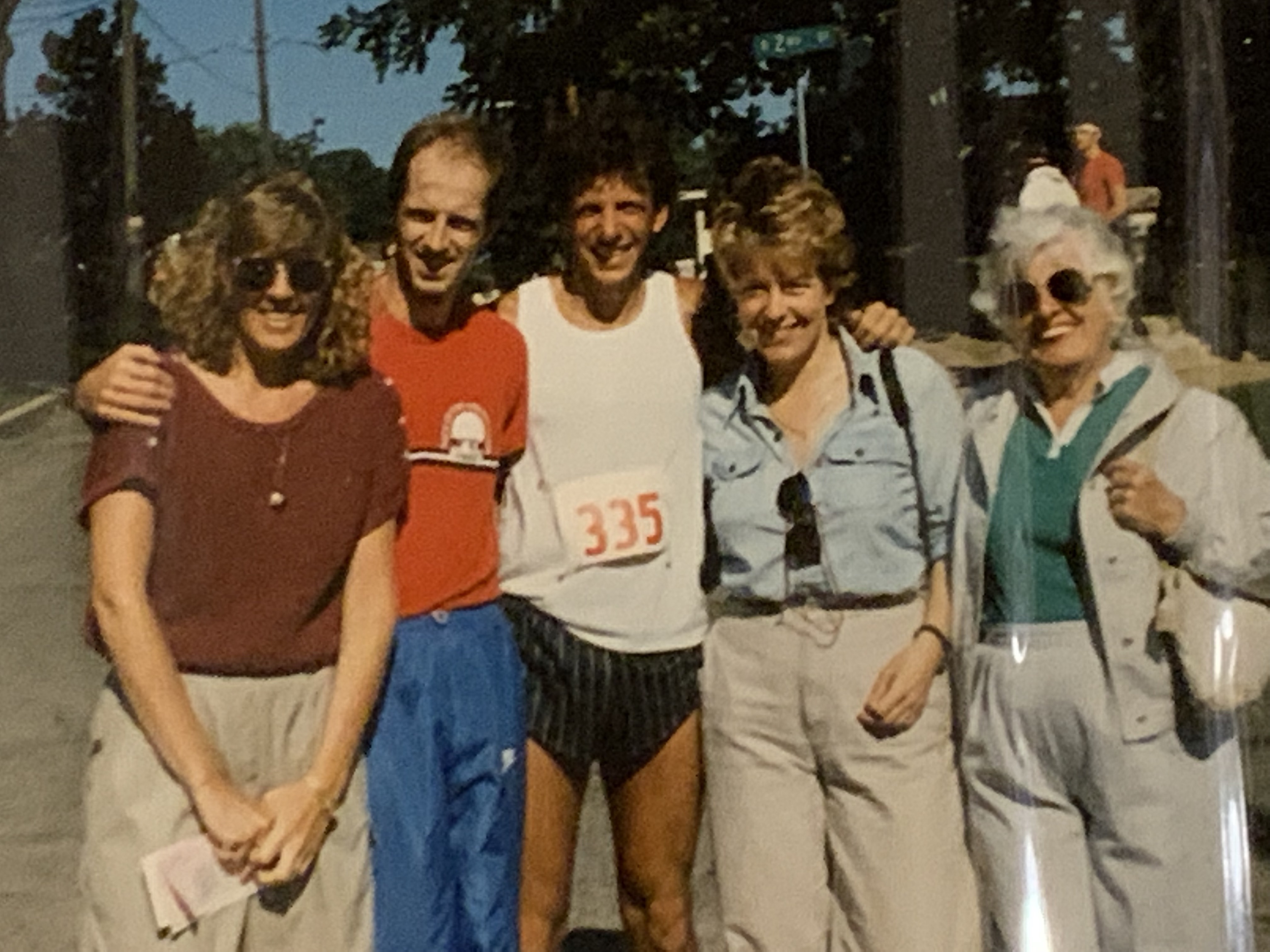

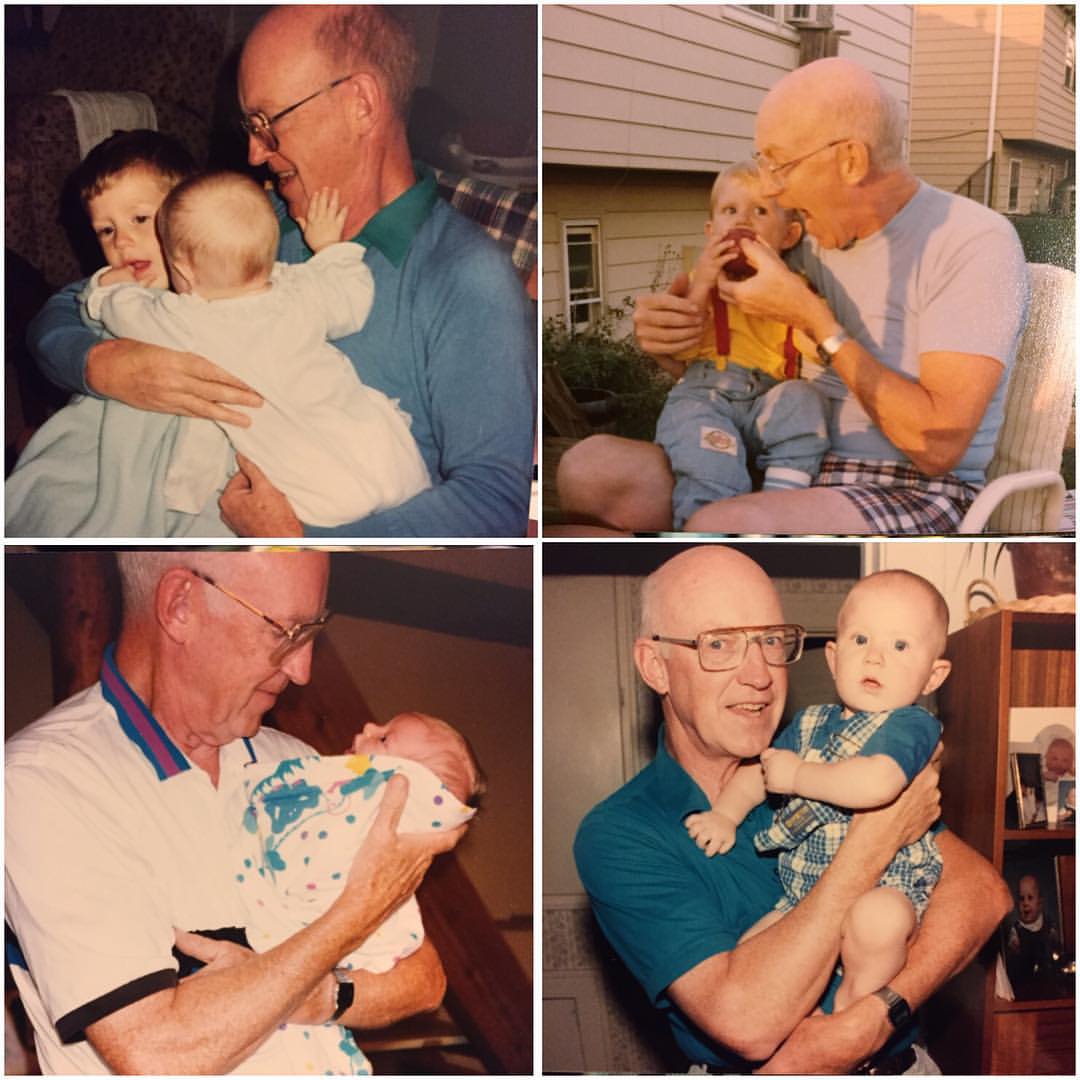
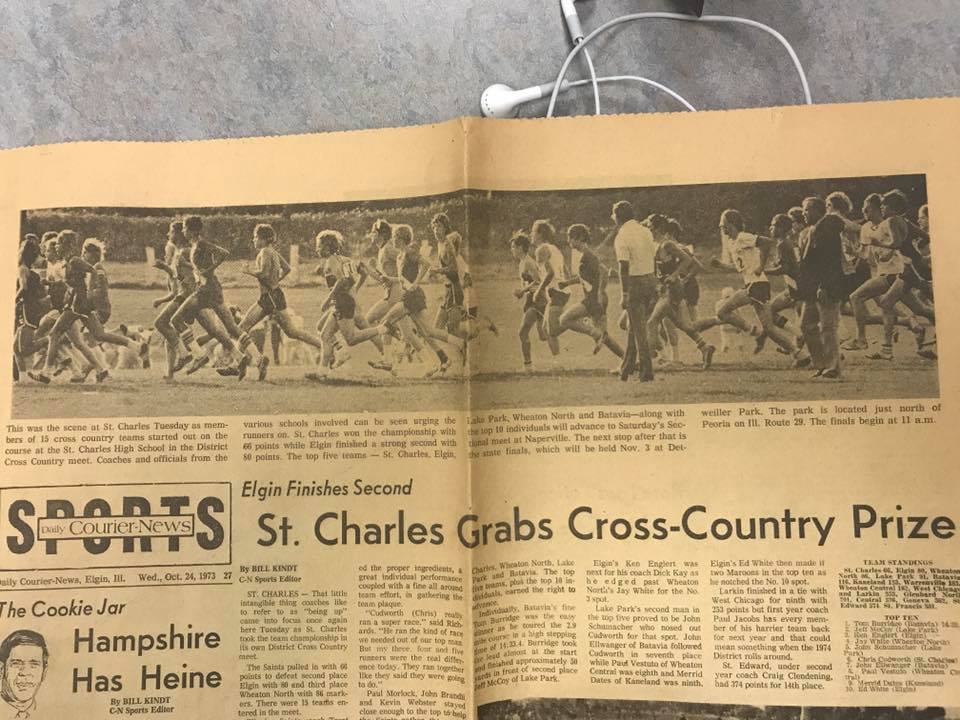
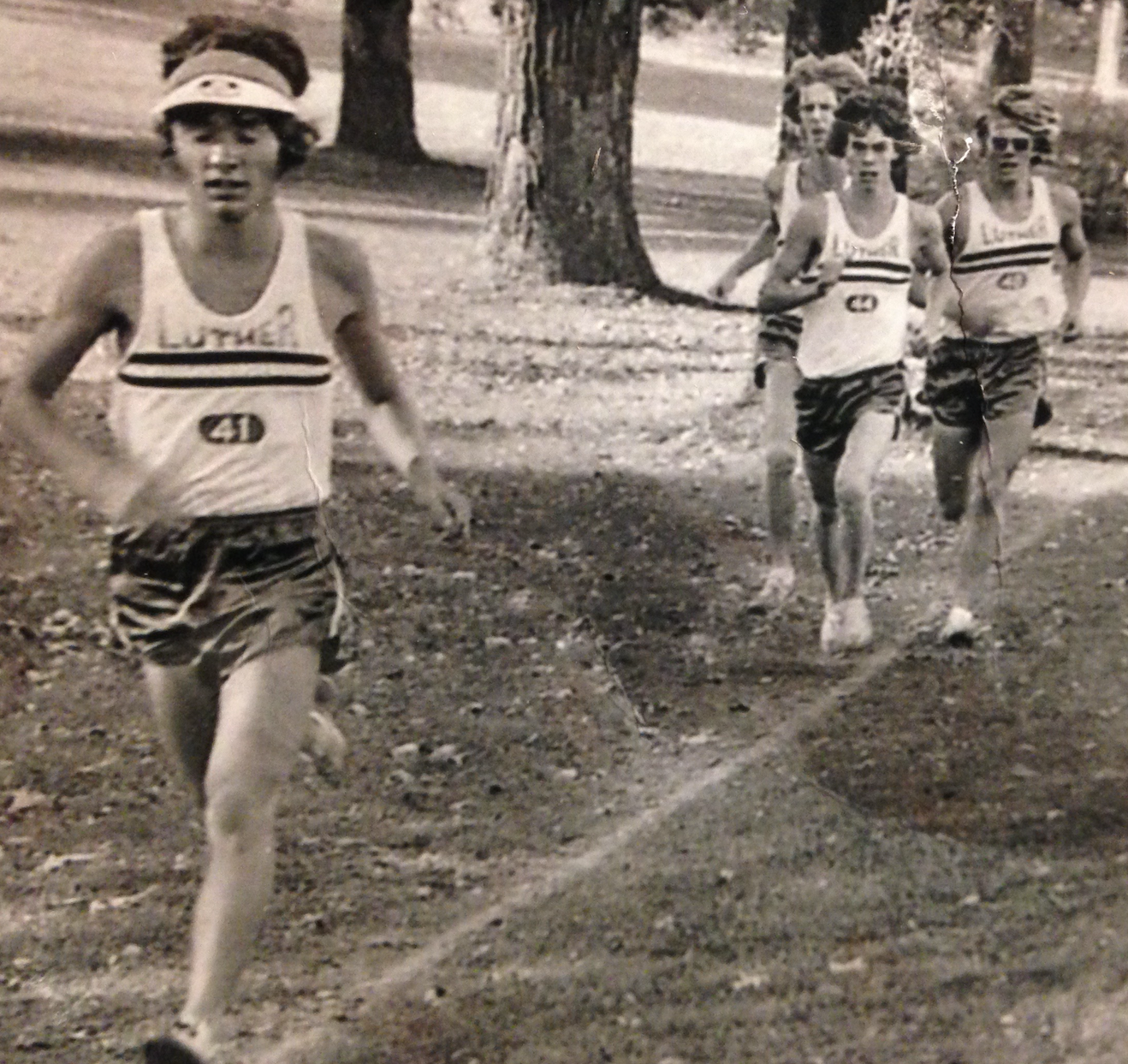

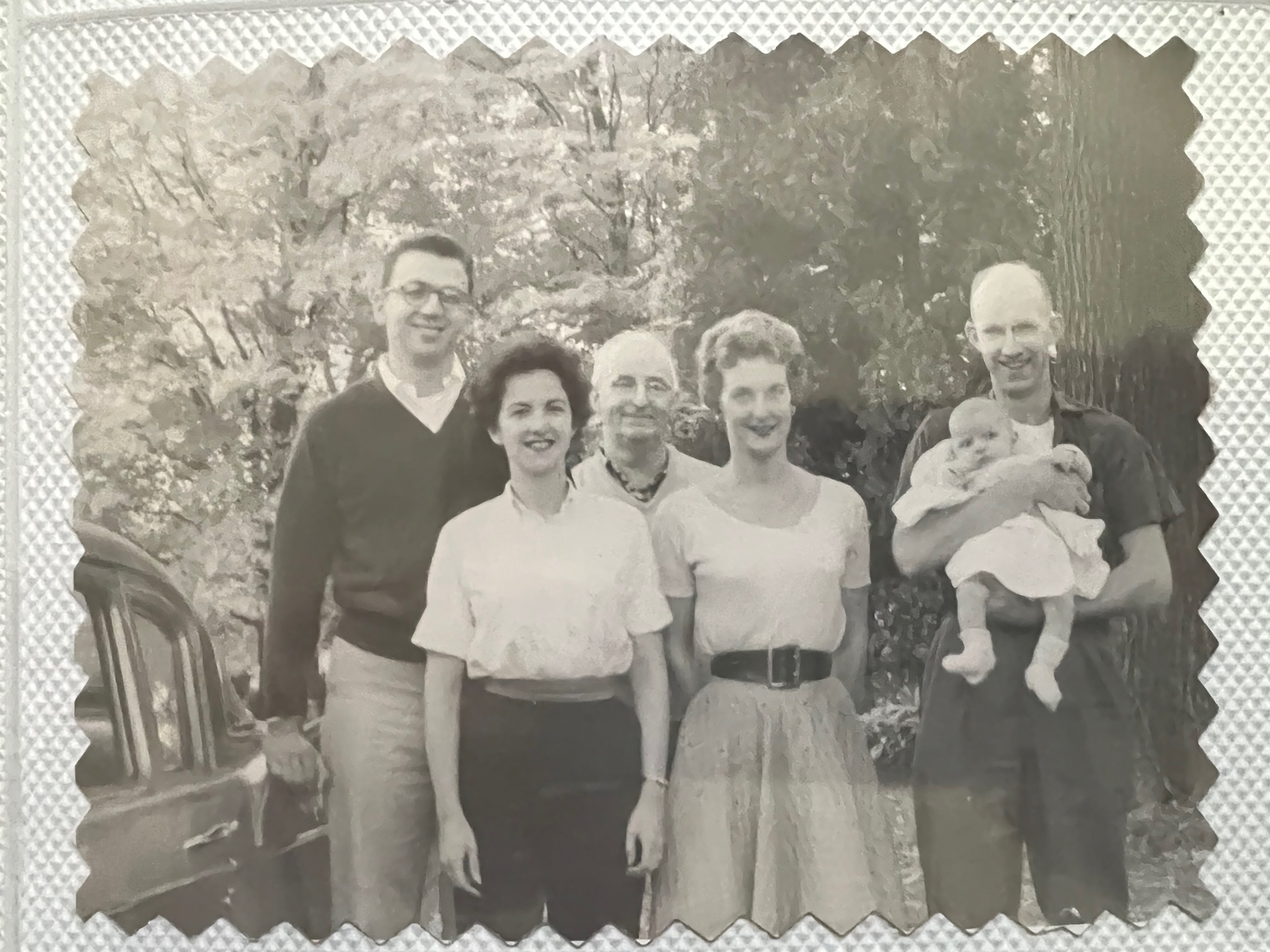


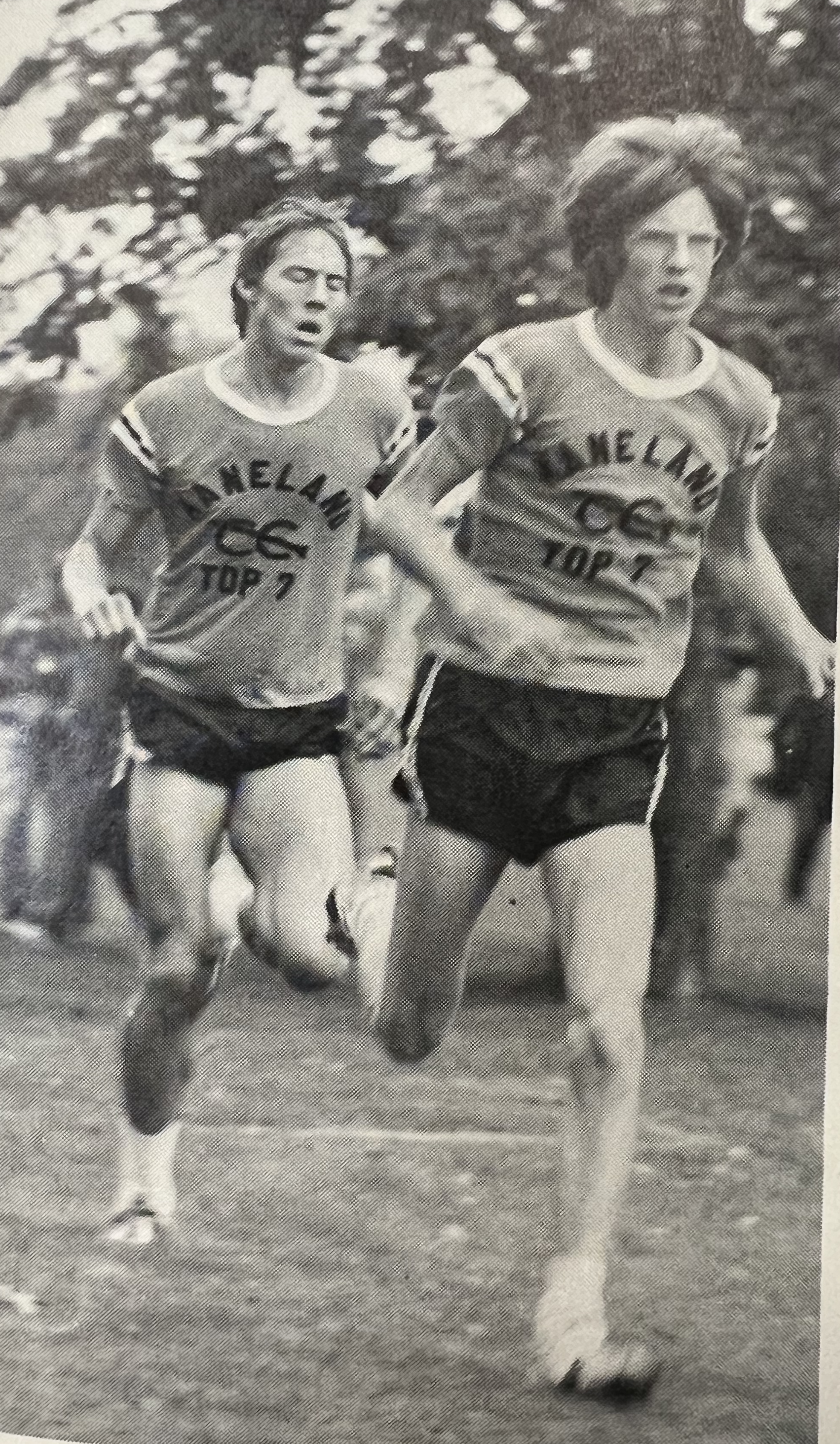

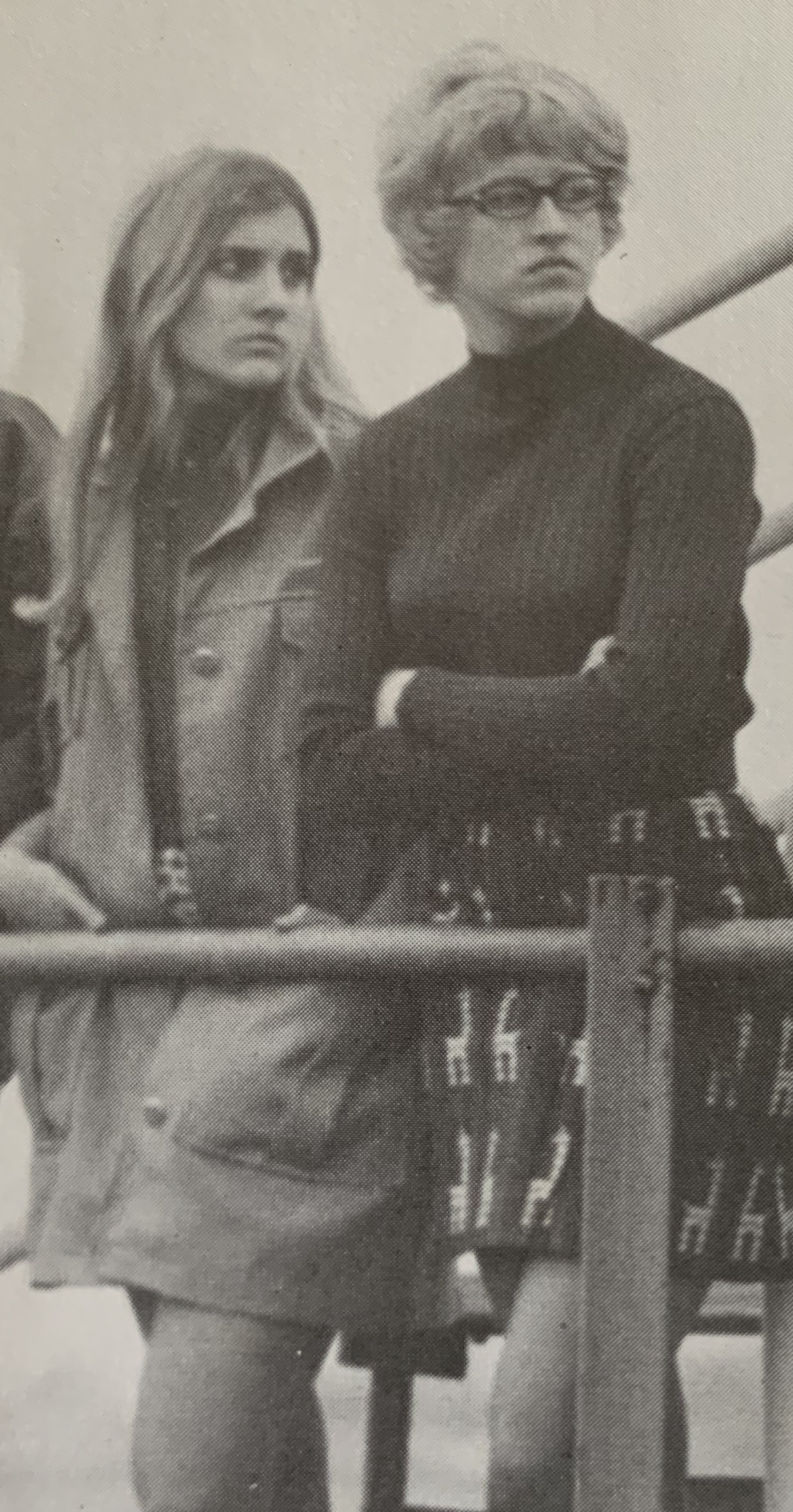


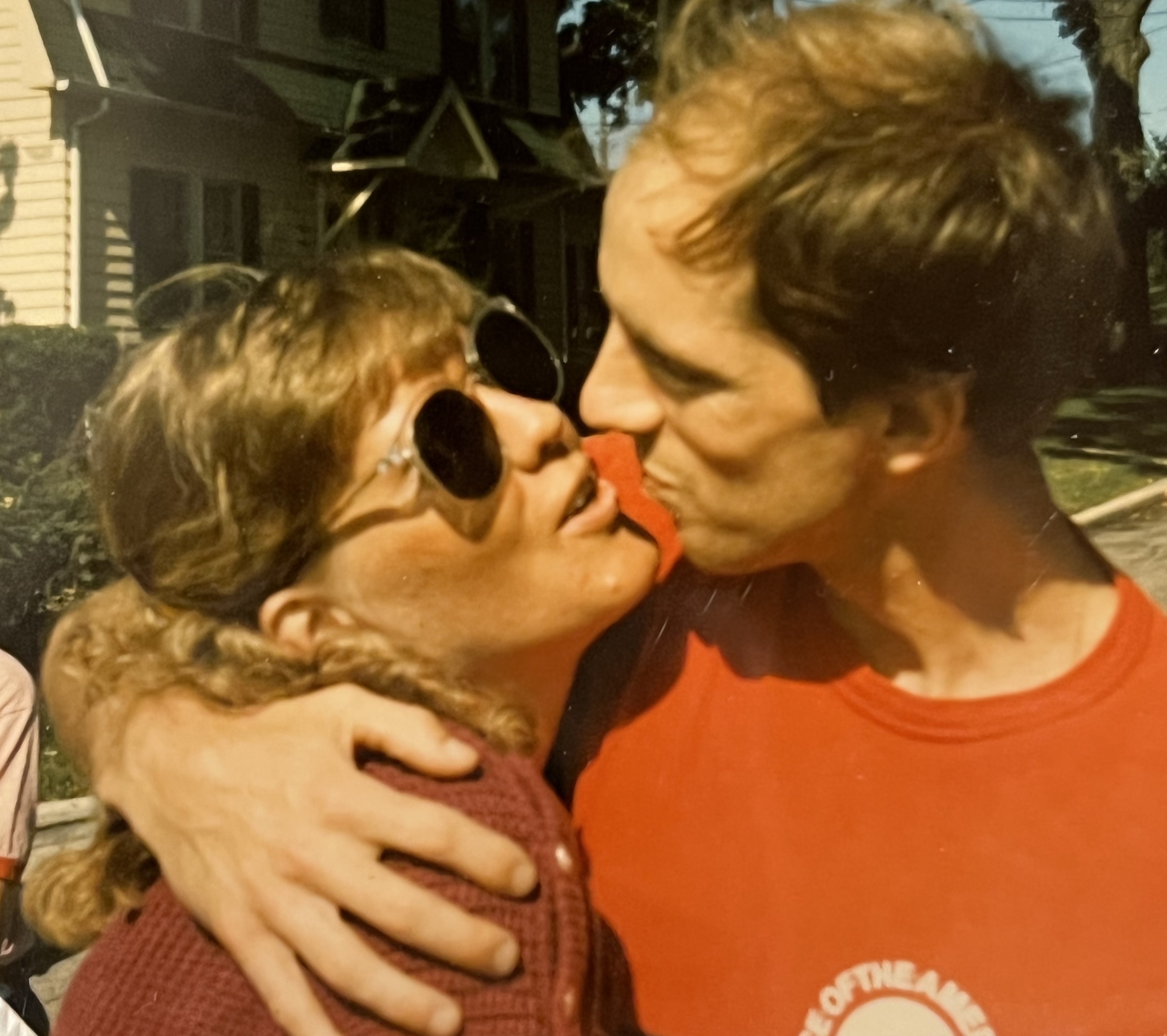


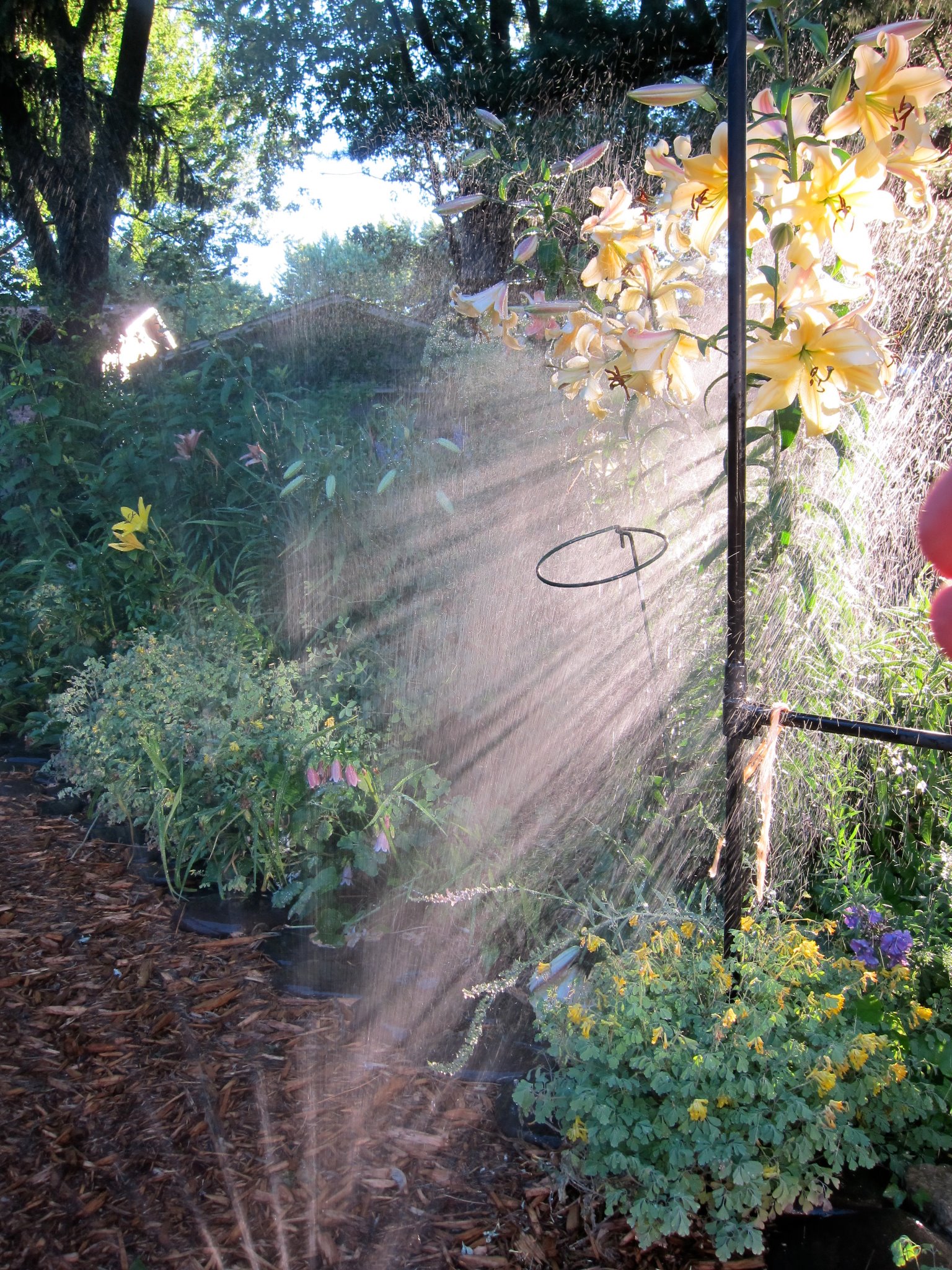


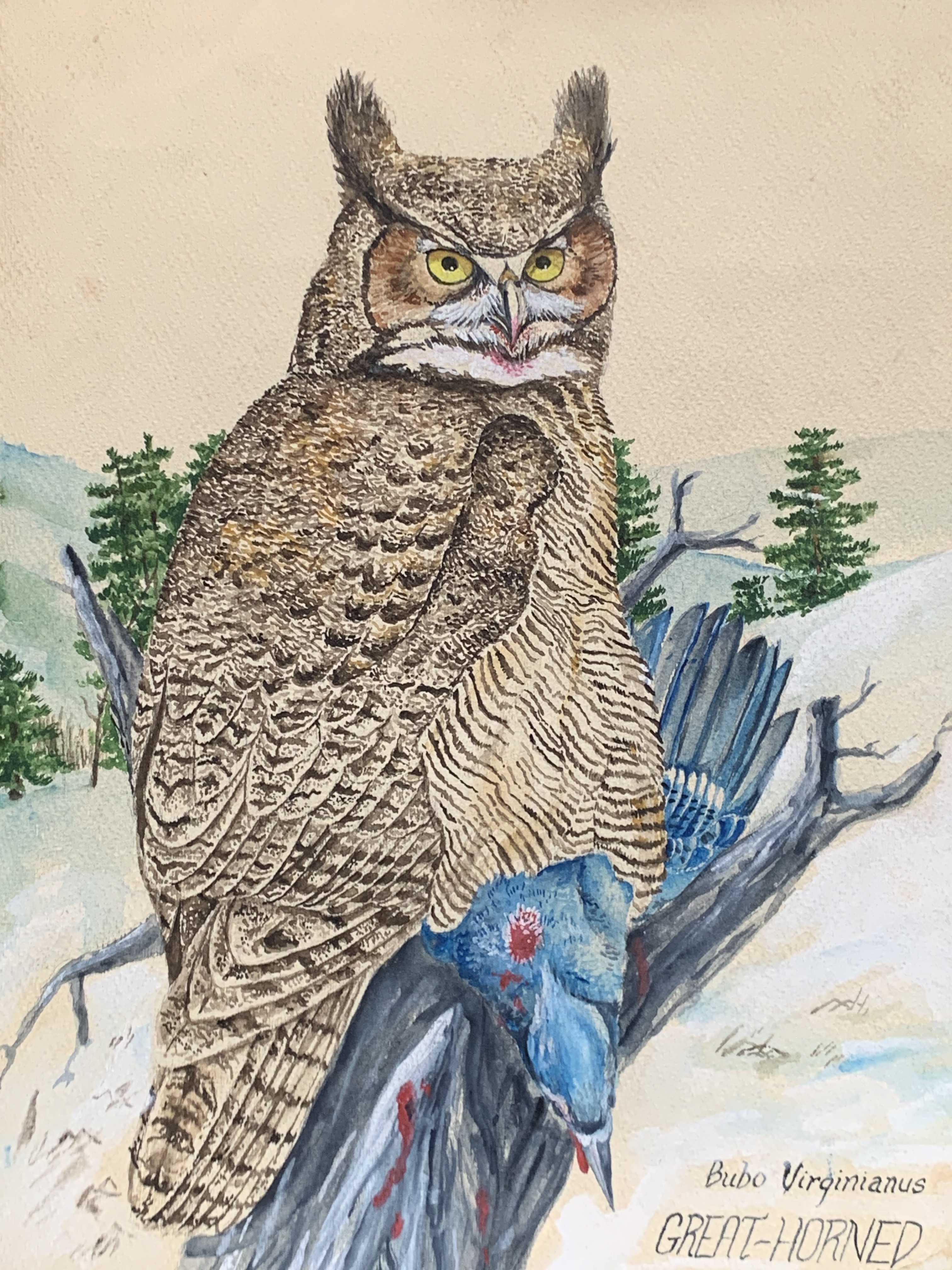
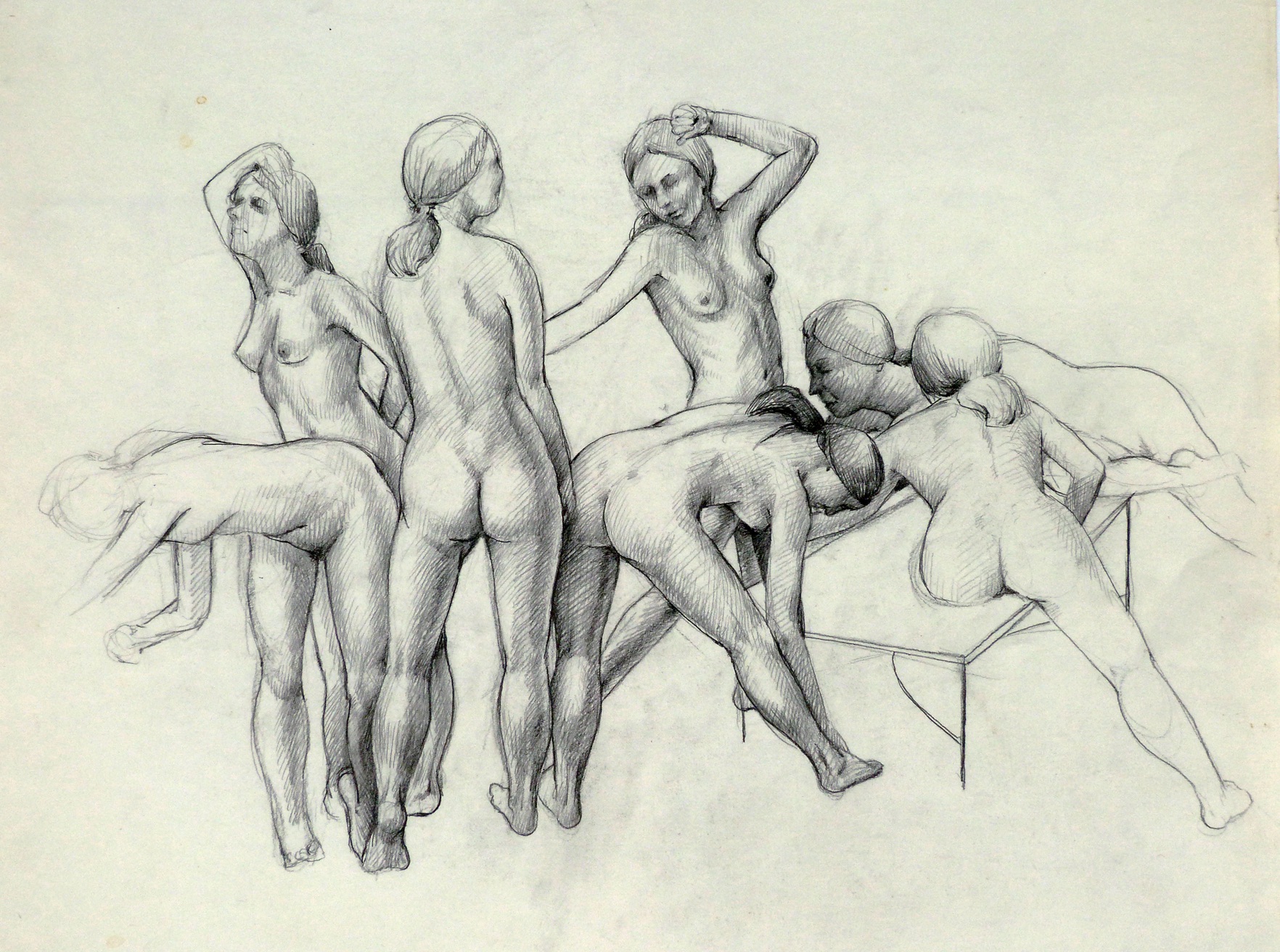







 The Right Kind of Pride