A pensive moment at 18 years old during a college field trip
Perhaps it’s been native anxiety that vexed me in life. I’m a nail-biting kid who grew into a nail-biting adult. The roots of anxiety are chemical but also familial and cultural. Raised in a family with three other brothers, a pushy father, and an enabling mother rife with her own fears (projected upon us) it’s no wonder my life bears marks of self-confidence failures.
That said, there was no more competitive kid than me. I compensated for anxiety by trying to win everything in sight. Sports was also a release for the high-energy needs of a kid with ADHD. But I never rationally understood that condition as a child. I knew that any boring subject turned me into a lost soul staring out the window during class. Or else I drew. Art was something I could turn that attention-deficit focus into something real. Later on, I found writing too. Those three pursuits are my life’s salvation. They fueled whatever self-confidence I could muster through those elementary school years through college.
I once had a 3rd-grade teacher who gave me a choice. “Chris, you can stay inside and work on the classroom play or go out for recess. Which do you want to do?”
Well, I was leading the kickball home-run contest during recess. It made me the hero of the whole school. But she didn’t ask me about that. I told her, “I want to go out to recess.”
“Fine,” she blurted. “You don’t get to do either. You can sit here with your head down the whole period.” That’s what she made me do. She punished me for a choice I had sound reasons to make.
But in 4th grade, I had a teacher whose Robert’s English Series curriculum combined writing, art, and plays. I thrived in that class and wrote about it once on this blog or another. One day I received a phone call from National Public Radio. A reporter conducted a Lexis-Nexus search about that curriculum and my writing was the only article that turned up. They interviewed me about it. It made me feel good to be recognized for appreciating the value of integrated education. It bolstered my self-confidence to hear that someone else understood the value of helping kids, especially neurodivergent kids like me, find self-confidence through innovative teaching.
These days, I substitute teach and notice many kids struggling with classroom attention. Perhaps I should have chosen teaching as a profession, but I’m not sure I had the self-confidence or self-assurance earlier in life to do so. It takes enormous focus for effective classroom management. I might have been too forgiving or unwilling to discipline kids acting badly.
Part of me also resists those tactics because our elementary schools in Pennsylvania used corporal punishment to control kids. In first grade, I shoved a kid for knocking over a Stratego game we were playing during indoor recess due to a rainy day. The kid tattled on me and instantly a vicious old lady teacher named Mrs. Paloney entered the room, grabbed me by the neck and hauled me out into the hallway where she told me to drop my pants and underwear to the floor and proceeded to spank my bare ass in front of other children in the hall.
Trauma transfer
Now, by that age, I’d witnessed my father thumping my brothers to the point where I was traumatized as a child seeing his fury. It frightened me beyond words. So being spanked further traumatized me. Later that afternoon, I saw my best friend spanked out on the playground for committing some small slight. I broke down in tears.
My first-grade teacher, Mrs. Cutler, saw me crying and somehow sensed a deeper fear in me. She escorted me inside and asked, “Is there something else going on, Chris?”
I longed to be honest with her at that moment but didn’t fully grasp why I reacted that way. What I do know is that many years later, during my late 20s, I awoke at night pounding my pillow in a fever dream of anger and rage. That’s the moment I realized that childhood trauma follows you and undermines the ability to have trust in yourself and self-confidence too. Soon after that I sought counseling. That didn’t work because the therapist wasn’t that good at discerning my need to reconcile the longstanding impacts of unfortunate life events.
With my late wife Linda (left) best friends Greg and Francie, and my mother Emily following my win in the Geneva Community Classic 10K circa 1984
The long way around
During my late wife’s eight-year cancer survivorship, I sought counseling to help me manage caregiving for my late father as well. After a couple sessions, the therapist asked, “You seem good at forgiving others. How are you at forgiving yourself?”
That question answered numerous questions for me. It also allowed me to search past relationships and examine social (especially dating!) failures caused by that combination of early trauma, native anxiety and neurodivergent sensitivities. From then on, in my early fifties, I began building a different kind of self-confidence.
Racing in college cross country. Our team placed second in the nation.
Despite my lifelong struggles with a lack of self-respect and confidence, I achieved great things on many fronts. I led teams to national championships in running. I published art prints and won awards for design. I built a literacy project that grew to serve 375,000 families. And I’ve now published four books with several more on the way.
I also stood strong through ten-plus years of caregiving for my wife and father. Through that I learned patience which has an incredible effect, believe it or not, in building one’s self-confidence. I also grasped through experience that I have strong character under all sorts of duress. That strengthened my resolve and confidence in other ways. I walked out my father’s door one afternoon after my mother passed away in 2005 and realized, “This is all up to you, taking care of him now.” And I knew I could, and would, do my best at that.
My father was in fact a loving man whose adoration for his grandkids proved it.
Which meant engaging with my father daily through all his medical and social needs. Over time, I came to realize that despite his fatherhood struggles raising four headstrong boys, he’d done much for me in support of my art and writing and sports. “Pay attention to your craft,” he once advised. That’s the best advice any father can give.
I believe I also helped my brothers dissolve some of their misgivings about our dad. Once the two eldest had trouble engaging with him, that ability improved in later years.
So, while the call of self-confidence waivers at times, and costs me opportunities due to fear, that’s my big “resolution” this year, to shove fear aside and continue on the paths I love. I hope you can too.
Are you overcoming fears this year? Share at cudworthfix@gmail.com
I’ve learned the value of humility the hard way, just like everyone else. As a proud young athlete growing up, my main concern was winning every contest I could find. My older brothers challenged me daily in sports ranging from table tennis to basketball and all points between.
Having older brothers toughens you up. I transferred that sibling rivalry to competing with friends and then participating in competitive sports. At the age of ten, I pitched our Local 285 baseball team to victory in the second game of the Lancaster, Pennsylvania city championship.
Throughout high school and college, I led the teams I played on, eventually turning to running full-time, where I ran as the first man on teams that won conference and district championships. In college, that success continued as I competed as a Varsity runner in a cross country program that won our conference all four years and as a senior captain ran in the Top Five all season, leading our team to 2nd in the NCAA Division III championship. In track I won conference three years and made Nationals three years in the steeplechase.
Even after college, I kept competing and set all-new personal records at distances from the mile (sub-4:20) 5K (14:45) 10K (31:10) 10-mile (53:30) and 25K (1:24:25). In my best year I raced 24 times and won 12 of those road and track races.
The reason I share this journey is to explain that all this training and perseverance was cited by my coach as having extreme value when my late wife was diagnosed with ovarian cancer in 2005. “Your whole life has been a preparation for this,” he told me.
But what I wasn’t prepared for was the degree of patience required to be a good caregiver. As a person with ADHD, I always struggled sitting still, waiting for things to happen, and not being able to “do anything” in the moment. Learning patience when you have to wait for hours to get results, sit in quiet (or noisy) hospital rooms at a bedside with your partner, and keeping track of important details day-to-day, these are all key requirements in a caregiver. I had to learn them. The hard way.
On top of my wife’s care I was caregiver to my father who suffered a stroke back in 2003. Through eight years of my late wife’s survivorship I tended to my father too. She lived through 2013. He lived through 2015.
I learned humility from all that caregiving. Never did I think that I was doing things perfectly. Mistakes are made no matter how hard you try. Sometimes, it’s emotional mistakes. Becoming impatient. Letting anger take over. Getting frustrated when the patient doesn’t seem to appreciate you. Feeling ‘put upon’ when relatives won’t or can’t step up to help.
And there’s money mistakes. Medical too. But you muddle through. But one thing that you learn from all that is practical humility. You don’t think of yourself as better than others. In fact, its possible to be too hard on yourself. One therapist called me on that one. “You seem to be good at forgiving others,” she reminded me. “How are you at forgiving yourself?”
Both of those traits require honesty. You have to “get real” in order to “truly feel” your purpose in the moment. Get to know where your weak points are, and understanding your strengths. Learning to lean on others when (and if) you can, and embrace vulnerability. It’s a superpower.
That brings us to the trouble with hubris. Once you’ve been a caregiver it’s easy to spot false pride in others. It’s painful sometimes to realize how insensitive and willfully ignorant people can be. In the United States, our healthcare system doesn’t favor the weak. It rewards the rich and employed and too often casually disregards those most in need. I read about how Black women can’t get a fair shake in medical offices because practitioner don’t take their word seriously. I’ve heard about other women than my wife feeling something’s wrong in their body and doctors just write off the bloating to water weight when in reality it’s tumors growing on their ovaries and spitting out fluids. By the time they’re discovered, cancer has advanced.
And when I see the callous way that certain political parties treat the healthcare system in America, it makes me angry. Now, I’ve been the beneficiary of non-profit forgiveness of medical debt, so I’m not personally complaining. One time AT&T even wrote off a $500 cellphone bill during one of my wife’s most tenuous cancer recurrences.
But the idea that rich people are now running around passing judgment on programs like Medicare without considering the life stories of those insured through it, or maligning folks counting on Social Security they’ve saved for decades to support them in elder years, it makes no sense why people vote for the hubris of these greedy freaks whose money obsession says more about their own fears in life than it does about their supposed success
Hubris is the opposite of humility, the quality that makes us all better people whether we’re caregivers or not. When you look to leaders, take stock of where their humility meter reads. If they’re arrogant and dishonest, don’t throw your trust their way. They’ll only use you and discard you as fodder for their selfish ways.
My late wife Linda during the first year we’d met in the early 1980s
Tomorrow, March 26 of 2024 will mark eleven years since my late wife Linda Cudworth passed away. She survived through eight years of ovarian cancer, a Stage IIc diagnosis that proved persistent and aggressive through multiple surgeries, chemotherapy treatments (literally dozens in cycles of 5-8 at a time) and the pursuant side effects ranging from destroyed taste buds to feet and hands numbed by neuropathy so bad she could hardly manage to do the thing she loved most, which was gardening.
Yet persist she did. Long enough to see her son Evan graduate from college and begin work. And nearly long enough to see her daughter Emily graduate as well. It wasn’t an easy period for either of them, working in New York as Evan did at the time, and Emily looking to finish up college at Augustana while her mother’s health declined. Those events and the aftermath affect us all to this day.
Corporate wealth versus public health
But I also want to talk about something I’ve never fully addressed. That is, how the world and its work and healthcare systems treated us from the minute we received that initial diagnosis back in 2005.
At the time, my mother was also already fighting lymphoma with oral chemotherapy because she wanted to stay healthy enough to care for my father Stewart, who had a stroke in 2003 and never really recovered. His apraxia and aphasia stole his speech, and paralysis on his right side took away many of his other activities.
That made me the primary caregiver for both of my parents. So when the cancer diagnosis came along for my wife we were already dealing with considerable issues related to insurance and caregiving. That November, my mother was additionally diagnosed with pancreatic cancer. She died after one chemo treatment that produced in her a life-ending stroke.
At the time, our family healthcare plan was administered through my employer the Daily Herald, a newspaper media company. We chose an HMO to save costs, but what that really meant was that our doctor options were limited by our plan. We were balancing our healthcare needs against all the other expenses we faced in life at the time with kids in high school and college.
We were just trying to get along. In the early 2000s we lived on my salary of $75,000-$80,000 a year. I also made an additional $15-20K per year freelancing, often working early mornings and late evenings as a remote freelance creative director and copywriter for an agency I’d later join as an employee. We used my wife’s preschool teaching income of $18K to save up and pay for my son’s college costs at the University of Chicago because our FAFSA was about $16K per year.
The Gold Standard
Linda had surgery in 2005 to remove the remainder of the ovarian tumor that the naive gynecologist had broken during exploratory surgery to check the cyst. That accident revealed the cancer, and it also unleashed millions of cancer cells throughout her abdomen. These implanted on the abdominal wall. We were grateful to find in our HMO a premiere gynecological oncologist named Dr. James Dolan who did investigative surgery to remove cancer. In a post-surgery meeting with me in a closed room, he quietly told me that her abdominal wall “felt like sandpaper” thanks to the cancer cells growing there. “I extracted as much as I could,” he told me.
After that, we proceeded with intravenous chemotherapy to kill as much cancer as we could without killing Linda. Then they recommended a “Gold Standard” tactic of dumping chemo directly into her abdominal cavity through a port in her belly. The nurses actually nudged the port loose with one treatment and the chemo spilled out making a white stain on her skin.
We probably could have sued over that, but our biggest concern was getting through the chemo so that she could return to something resembling a normal life after months and months of her being sick and tired and fed up with the entire debacle.
HMO ills
Our annual family vacations to Seven Mile Lake in Wisconsin were a tradition
All the while we wrestled with HMO bills and tried to keep up with our payments. Upon signing up for the HMO, we had to switch family doctors, leaving behind the physician that Linda trusted most. That practice, one that I’d been attending since I was twelve years old, no longer accepted the Blue Cross HMO we’d chosen. It’s a tragic thing when an insurance system takes medical decisions out of people’s hands.
To make matters weirder for me, during same time period my boss at the newspaper decided to conduct a 360-degree review on my performance at the company. Needless to say, I was a bit distracted that year. Thus the review held plenty of criticism. I’d been Administrative Associate of the Year in 2003, so I wasn’t a slouch of any kind. But thanks to the burdens of caregiving for my wife and parents, juggling bills and kids in college, and commuting all over five Chicago suburban counties to run the marketing efforts of six bureau offices, the year 2005 was not easy for me under the circumstances.
Yet despite these pressures, I still managed to grow a literacy project that represented $27M in market value to 375,000 families. My role also involved conducting 200 annual events as well as several dozen awards banquets, symposiums and sales programs for a newspaper with a circulation of 140,000 or so. Amid this flurry of activities, I had some problems, yes. But it also would have helped not to have been put under a 360 degree microscope while dealing with everything going on at the time.
Bigger money
I ultimately left the company in 2007, joining the agency where I’d been freelancing. Linda’s health was by then stabilizing. We felt like it was a good time to make the change given the failing nature of the newspaper industry. The Internet was stealing revenue and kicking the ass of nearly every newspaper in the country. Dozens were going out of business. I’d just won a $1M account for the agency by leading a pitch to a giant men’s clothier chain based out in Richmond, Virginia. My new salary would be $110,000 a year, almost $30,000 more than I’d been making at the newspaper.
But then tragedy struck again. Within a month of starting that new job in the summer of 2007, Linda’s CA-125 numbers began rising. The surgery and chemos she’d endured the previous years were not keeping the cancer at bay. It came back hard and fast that summer. The disappointment of having done the “Gold Standard” and having the cancer come back so fast was too much for Linda. She had a complete emotional breakdown, screaming in anger when we got the call that cancer was back. Her personal affect collapsed. Her parents spent time at our home during the day yet I spent every other hour at work checking on her as needed. My own performance suffered, and before long, the agency elected to fire me.
I get it. Company leadership wants positive, high-performing employees. The boss of that firm once looked at me and complained, “I like you better when you’re smiling.” I was just trying to survive at the time. I’d spent so much time on the phone during those months that I received a $500 cellular phone bill from our cellular provider. I took the bill to a local store and explained our situation. They told me that they’d credit back the entire bill. No charge. Obviously I thanked them profusely.
Back on the job hunt
My photo of a juvenile bald eagle.
But I was still out of work. At that point, cancer families have a choice to make, and it’s not pretty. Within a month or so, payments must be made to continue COBRA insurance coverage. That means the patient assumes the total costs of insurance. In our case those costs totaled $2000 a month. That’s a ton of money to pay before even considering monthly bills. So there I was, out of work with just a nest egg of cash available, suddenly thrown to the insurance wolves.
It took months for Linda to emerge from the depressive episode brought on by the emotional collapse. She could only bear to leave the house for short periods, usually with me, or sometimes, with her parents. Even that was tough. Meanwhile, she’d developed a condition called ascites, a swelling of the abdomen due to fluids caused by cancer. One night I walked in to find her lying on her side with the light in her eyes flat and nearly lifeless. I helped her into the car and we rushed to the hospital. The medical techs proceeded to drain several liters of fluid out of her gut. That can only be done a few times as the procedure has risks of causing infection and other problems. We needed to get her back into chemo to kill off the cancer that returned. The rest of 2007 was spent getting those treatments as occasionally her most trusted friends sat with her at the cancer treatment center if I had job interviews or freelance gigs to handle.
Making do
I got to work again by 2008, accepting a lower-paying job nearer to home at an audio-visual company. The salary was just $60,000, about half of what I’d been making at the agency. I took the position because there were some energetic young associates that just started at the company, which planned to launch a student response system for the education market. There was growth potential if that succeeded. Mostly I took the job so that I could be near enough to home to take care of Linda. She was going better again, having survived even more chemo and another surgery, but this time her hair fell out even faster and her hands went numb. She bought wigs and wore gloves to do her gardening.
The bills continued to escalate during that period. The costs of chemo and surgery shot up so high that we could not afford to pay for it all, a total of nearly $100,000 built up. I learned that the hospital where we having treatments done was a non-profit offering financial assistance. To my amazement, they reviewed our financial situation and agreed to pay 90% of all our bills. I sat at home that night crying in thanks. On that subject, I greatly admire wealthy people moved to support healthcare and hospitals. They rightly deserve to have their names on the facilities. Thank you. That’s indeed a beautiful thing that wealthy people do.
Ugly questions and healthcare roulette
That still leaves some ugly questions. Why does our insurance system work like this? It’s clear that no one really knows what’s going on with actual patients and their medical bills. I’ve long been a proponent of a national healthcare system for these reasons. The US should be like so many other countries around the world, investing in the health of its people rather than forcing them to play healthcare roulette.
In this country, real, everyday people feel the ugly brunt and abuses of the for-profit healthcare It’s an ugly process in which insurance companies, healthcare providers, the government, and employers small and large all battle over who should pay for what. All we know is that the costs of health insurance rises year after year. During the eight year reign of President Bush, the costs of health insurance rose by *96% and millions of people remained uninsured.
*Source: Crain’s Chicago Business
Money drains
That leaves people heading for the emergency room if they’re uninsured, driving costs higher and reducing effectiveness of care for everyone. It’s unexcusable that a developed nation such as the United States of America carries on like it does claiming that it offers the ‘best healthcare system in the world.’ Yes, we have many advanced and amazing healthcare opportunities in this country. But what does it mean that our doctors hate it because they’re in debt up to their ears from paying for their medical education, and the cost of insurance for their practices is skyrocketing too. Meanwhile, nurses suffer long hours and hospital systems try to nick every dime out of patients just to stay afloat. Money consistently drains down the sinkhole of the American healthcare system. It’s a national debacle. A shitshow.
To make it all worse, many companies fear having their insurance rates go up every year. This is true for companies small and large. Once the recession hit in 2008, there were many small companies struggling to survive month-to-month while banks refused to offer loans to cover payrolls or operating expenses, much less insurance costs.
By 2010 my job at that little audio-visual company came to an end when the rescue dollars offered by the Obama administration to fund educational technology ran out. “Sorry,” I was told. “We don’t see the same business coming through this year. We have to let you go.”
Well, that was also a lie. I’d researched and landed a former business line with a huge educational supplies company eager to sell our firm’s AV equipment through their national channels. But because that firm competed with the localized dealer network and the Good Old Boy system it relied upon, the company’s President and top salesperson fought the supposed incursion upon their territories.
I’d studied the previous sales reports showing that the education company had once done $600K in business with our firm. With another salesperson I visited the education company, re-opened those sales channels, helped train their people and provide them with marketing materials, and brought in a quick $1M in restored business that year for a firm doing $20M annually.
But our internal audience was not in favor of the change. “Our dealers don’t like their salespeople calling on their schools!” they protested.
“When was the last time any of those dealers actually called on those schools?” we responded.
“Well, they plan to…” was the weak response. We’d learned that the new sales channels threatened their anachronistic methods of doing business.
We might say the same thing about our healthcare insurance industry and its anachronistic corporatized structure. The “old ways” of doing business are clearly not efficient or effective for anyone. The possibility of competition from a national healthcare system to regulate and negotiate prices is too much of a threat to Big Pharma and the likes of United Healthcare and other monopolistic healthcare insurances hogs feeding at the trough of unrestricted data, access and profits from the American population.
No agency at another agency
I searched far and wide for a new job and got a position at an agency forty miles away. During the onboarding process, which was conducted by the wife of the company’s owner, I hesitated filling out the information on the health insurance forms because it would mean revealing my wife’s cancer. I considered not telling the truth, but reasoned that could lead to a lawsuit. So I filled out the paperwork honestly and turned it in, knowing that it might raise red flags in the minds of the couple running the company. From the get-go, I worried about that.
Sure enough, after month I was suddenly shifted to an inane sales position requiring me to drive all over the Chicago area handing out bottles of promotional pepper sauce as a device to land marketing work for the agency. It never worked, and of course, I didn’t land much business. I quietly asked, “Shouldn’t we be using the marketing techniques we teach our clients to market our own firm?” For some reason, that was ignored. Ultimately, they pulled me into a meeting one day and said, “You’re just not cutting it. We have to let you go.”
I resisted and specifically pointed to the fact that I was shifted away from the original responsibilities to engage in a crazy proposition that no one could fulfill. Later that day, I wrote them via email because I’d done my research before leaving and talked to the broker that sold them healthcare. “I can stay on their plan, right?” I asked. He assured me that the law required that I be offered that opportunity. But the company tried offering me a $1500 stipend toward whatever insurance I could find. At that point, I contacted a lawyer friend. I accepted their $1500 offer and also stayed on their insurance until I found a new job.
Bad scaffolding
As I understand it, the entire American healthcare system is built on a scaffolding of bad policy originally constructed as a sort of “incentive” or “benefit” to attract employees. The healthcare system we developed relies on this quasi-capitalistic notion that we should all get health insurance through our employers.
But if supporting and defending capitalism were truly the mission of the American healthcare system, businesses would have nothing to do with health insurance at all. That would eliminate the massive costs and time spent by HR resources negotiating and managing company-sponsored healthcare plans. Our corporately sponsored healthcare system is a fraud. To make matters worse, the politicians responsible for legislating healthcare are in many cases funded by the profit-based companies benefitting from the waste and corruption integral to our system.
The laws governing small companies are vague and frankly, rife with loose language and utter bullshit about what they can and cannot do to hire and fire employees, much less provide access to healthcare insurance. If a company has less than twenty employees, they get a ton of leeway in how they can screw people over. I know that it’s hard to run a company of any size. I’ve seen it firsthand. But I also know that there’s a right way and a wrong way to treat people. I’ve seen that firsthand too.
After I left, one of the employees at the first who knew my situation called to offer condolences. She told me, “Don’t fuck around with these small companies,” she warned. “You need to get a job with a big firm with good insurance.”
A CMO still hiding the Big C
I tried to abide that advice, but the job market was still tough in 2011. I applied and was hired for a position as Chief Marketing Officer at a PR firm. Things went well for a year. I earned a number of national public relations awards for clients large and small, even bringing 2000 people the grand opening of a ReStore.
The company’s owner knew and liked me, yet in the back of my mind I remained cautious because during the interview process she’d openly stated, “The only reason we can offer insurance here is because no one’s had cancer.”
I have a labor law attorney friend whose firm once faced rising insurance costs. His partners were angered by the fact that his wife had a couple surgeries to fix scar tissue related to horseriding injuries. “Your wife is driving up our insurance costs,” they complained. But when the broker from whom they purchased their insurance explained the rising costs, he told them. “It’s not her surgeries making the costs go up. Both of your wive’s are in their child-bearing years. That costs more money to insure.”
The fact of the matter is that virtually no one understands our insurance system in America.
Fortunately, in the case of that little PR agency, I was able to fill out and submit our health insurance forms without sharing them with the office manager or anyone else at the firm. I mailed them directly to the insurance provider. I believe that’s how it’s supposed to work. And don’t HIPPA laws require it in some fashion? Yet many small firms ignore such requirements.
Even with that precaution, I’d soon run afoul of that firm’s insurance fears and other policies related to employment.
A grudge and payback
After traveling to Colorado Springs on a client recruitment trip at an event where large firms met with PR firms like ours, I was accosted by a fellow employee who was angry that the owner had spent $35K to attend. “We won’t get a bonus this year, I bet,” he complained. In turn, I explained that we were trying to up our game and bring in new and larger clients so that we’d all make more money. Instead, he bitterly blamed me for supporting her venture. In fact, he made a practice of complaining about her every time we went to lunch. I didn’t know that his disenchantment would soon cost me directly.
In the spring of 2012, Linda’s cancer came back. This time it would require yet another surgery involving a complicated extraction of cancer from her liver and colon, where it had spread. With the surgery approaching and the need for some time off possible, I considered telling the company about her condition. Yet I feared getting fired if they found out my wife had cancer. I’d been enough nuttiness to know that anything could happen.
As an insurance against my own risks, I worked hard the last two weeks before the scheduled surgery trying to land a big client. I figured that might stand up against any potential costs we might incur if our company’s insurance coverage shot up.
On a Sunday night, a bit anxious to make something happen I’ll admit, I opened up my personal website and posted one of the successful creative campaigns I’d just produced with an in-house designer. I was trying to reach a network of people through my own website that might be able to provide a referral for new clients.
The pressures were getting to me, so I decided that Monday morning to tell the owner and the HR director about my wife’s condition. They expressed complete support for our family. After all, I’d attended every company event and brought some recognition to the firm, including a complete re-write and design of the company’s website. I thought I’d built some loyalty and value. They assured me that I had.
But that afternoon the post of content to my website generated a Google Alert about the client’s name. At that point the disenfranchised employee came to my office with a stern look on his face and said, “You need to take that down right away.” So I did. It had stayed on my website no longer than ten hours. It was highly unlikely anyone even saw that post. But the copy mentioned the client’s name. Technically, I’d committed an error in judgment.
Getting fired is no fun
I walked into work the next morning to be greeted by the owner, whose stern look told me something bad was happening. The entire office was silent as they led me to the company conference room and informed me that I was being fired for breaching the company’s policies on client confidentiality. “That’s weird,” I responded. “They’ve already published that work in a magazine.” They didn’t care, they told me. I’d put the company at risk.
The lawyer they hired sat in the room and read me some legalese. Then I was told to gather my personal effects and leave. If you’ve never been fired from a job, it really is no fun.
That afternoon I contacted my best friend who is a labor law attorney. He gave me some advice to follow for an upcoming hearing on unemployment insurance but he was busy with his full-time job the day I was to have the hearing. It was conducted by a Chicago employment judge. In advance, we were told to exchange relevant materials so I submitted proof that my post had done neither the company or the client any harm. However, I never received the information they were supposed to provide me.
Upon mentioning that to the judge at the start of the hearing, he told me not to speak until spoken to. From there the case was railroaded and I was also blocked from collecting unemployment insurance. In sum, that disgruntled employee had fucked me over in spiteful revenge over my support for the boss’s investment in client recruitment.
Lessons learned
I’ll end this story there, because not long after that debacle my wife’s condition got worse. Her own father died of heart complications in late 2012. Then on December 26 of that year we learned that her cancer had migrated to the brain.
The doctors told us, “That’s not supposed to happen.” But it did. We engaged in brain surgery using radiation. Then they put her on steroids for the swelling. That made her kind of energetically crazy in early 2013. We even had to counsel her to stop teaching preschoolers because her judgment just wasn’t right. That broke her heart. And mine.
When the steroid treatments ended her body mercifully gave out but her mind never did. We’d done our praying and told each other of our mutual love. She died peacefully the evening of March 26 after the hospice team visited her that afternoon.
I’ll admit I was grateful and relieved that she was freed from the misery of the cancer that caused her distress all those eight years. Despite it all she lived as fully as anyone could, planting amazing gardens, raising monarch butterflies from eggs on milkweed leaves, and loving her own children and those she taught with all her heart. She was 55 years old.
But my point in this essay is that I still cannot believe this is the way that human enterprise is supposed to treat those facing illnesses such as cancer. In its broadest sense, society is still primitive, tribal and brutal in its methods of care as far as I can see. Corporations can toss people around at will, it seems. Our healthcare system favors the rich and spits on minorities, women and anyone that fails to fall under “covered categories.” Is there any more inhumane system on earth? Probably so, but we’re supposed to be better than that. Instead, we’ve got greedy fake Christians and their hypocritical political partners claiming to be Pro-Life while constructing death panels based on who can afford to pay for insurance, and who cannot.
Fortunately, there are still many kind and wonderful people who break through the ugly facade of America’s healthcare system to offer great care and financial support. But they fight against a system more concerned with corporate wealth than public health. And that’s the real cancer in America.
In late 2012, just a few months before my late wife passed away, she attended a preschool conference presented by an insightful man talking about the effects of attention deficit disorder, or ADD. She came home that day and told me flat out: “This is you.” To her credit, she was offering the advice of a hard-headed woman. We all need that.
While the signs were all around us, we’d never talked about the subject of my occasional and sometimes persistent attention deficit disorder. Up to that point in life, I’d concentrated on coping with the effects of anxiety in my life. I’d been an anxious nailbiter since birth, a condition exacerbated by childhood trauma centered around physical and verbal abuse in the family. In an echo of that youth, I woke up pounding my pillow in anger at the age of twenty-nine.
By that point, I was taking steps to become mentally healthy after muddling through my twenties after a couple of years running full-time in a journeyman’s address of unfinished business. For me, running became the best form of therapy for anxiety and depression. Yet I ultimately needed to back away from the fact that it also ruled my life. I ended my competitive running career at the age of twenty-seven after getting married and conceiving our first child. I’ve always thought that was a mature step to take. I still do.
I still needed to assuage some of the anger resulting from life’s earlier experiences. By my early thirties, I’d sought therapy a few times without any grand results. One psychologist told me that I just needed to be stronger for my wife, and that would cure things. Sometimes we get shitty advice at the worst times in life.
On my own accord, I’d left a messed up job at the terminally corrupt Boy Scouts of America. From there I worked first in sales and then twenty-plus years in marketing with long streaks of career success interrupted by emphatic blunders. Those resulted from my lack of executive function as well as a propensity to talk too much in business situations and uncomfortably overshare because a mind consumed by ADHD unwittingly desires such things. I take responsibility for it all.
Collateral from the literacy program I created and built.
By the time 2005 rolled around, I was working as a marketing manager for the third-largest newspaper in Illinois. I’d built a burgeoning literacy program in collaboration with more than one hundred seventy public libraries serving 375,000 families. That same year, my mother passed away from pancreatic. Instantly, I became a caregiver to both my wife with ovarian cancer, and my father, who’d been a stroke victim since 2003.
Ironically, I thrived on the focus and pressure of caregiving. Little phased me in dealing with medical emergencies or day-to-day needs. Like most competitive distance runners, I thrived on challenges. That’s the stuff I could handle because ADHD actually embraces those functions. I had no problem turning my attention to what my wife or father needed. Hyperfocus is the superpower of ADHD.
It was always boredom that I dreaded. Quiet moments with nothing going on. God Forbid. That’s why I eventually took up cycling to complement the running. And later on, even swimming. Because moving is my salvation from inattention. It calms my brain. Allows me to think. I solve problems and come home ready to deal with reality. Boom.
Then there was the writing and the art. For those eight years with my late wife going in and out of remission, dealing with countless chemotherapy sessions and surgeries to boot, I’d sit my ass down and write my way through the stress. Or paint. The blogs I wrote to all the people supporting us through a caregiving website became the book I wrote about that journey. I titled it The Right Kind of Pride, pointing to vulnerability as the best kind of honesty and virtue.
As things wound down in 2012 and my wife struggled with seizures caused by cancer that had moved to her brain, she kept on teaching at the preschool where she worked. That was her salvation. Keep on keeping on. Yet after brain surgery and intense radiation treatments in early 2013, she needed steroids to cope with the bodily inflammation. Hyped up on powerful drugs, her personality went off the register and she lost functional capabilities and judgment. The preschool teaching had to end.
Yet before that period when her own health and mental state were fragile, she’d taken a cool look at my version of reality and shared that she’d seen enough in that presentation on ADD to know that I was definitely on that spectrum. All those years of lost keys and forgotten appointments, unfinished projects or commitments not quite fulfilled had taught her that I was possessed of a type of mental illness that didn’t just “go away” on its own.
I needed help. Yet for all her prescience, it would still take a few years to act on her wisdom.
Sometimes help comes in tangents, not in straight lines. During a therapy session with a counselor from Living Well Cancer Resource Center, the psychologist noted that I’d done well for years working with my demanding father despite age-old differences and emotional conflicts. “You seem good at forgiving others,” she observed. “How are you at forgiving yourself?”
That was an eye-opening observation. From that point on I was less harsh on myself for emotional failings and/or taking blame for familial disagreements. I’d stayed strong for my dad and my wife all those years despite many career and financial challenges along the way. I’d stayed the course. Forgiven what was needed to move on. We all do our best. That hasn’t resolved all the issues of course. Life is always a work in progress.
The big issue left to resolve was how to work with how my brain actually works. After all, I’d managed to produce plenty in life. Solo art shows. Written books and published limited edition prints. Placed articles in national magazines. That shit wasn’t all bad!
Yet it wasn’t until recently when my son Evan raised the issue of ADHD in our lives that I fully accepted the impact it has had on us. Looking back, I recall teacher conferences in which my mother (herself a teacher) met with instructors to discuss my lack of attention in class. Later on, through high school, I nearly failed subjects such as algebra if they disinterested me. Yet I got A’s in subjects I liked. I made it through college with a 3.1 average out of 4.0 but suffered some bad grades along the way. That’s life with ADHD. You can do nine out of ten things well, but the tenth one will bite you in the ass.
My son Evan Cudworth “levantating”
To this day, I realize that ADHD impinges on my ability to grasp certain kinds of material. That has cost me jobs, money, and even relationships. While I pride myself on paying attention to friends and family, sometimes I miss what people really want from me. There is considerable pain that comes with that gap in action and understanding.
Coming to grips with the impact of ADHD is not an easy thing. While forgiving yourself is a direct process, and dealing with the inevitable outcomes of an inherent mental condition is vital, seeking forgiveness from others isn’t an easy task. All we can do is keep trying.
In the meantime, I pat my pockets whenever I go out the door. To that end, I am vigilant about ADHD. I also remarried and my wife Sue looks at me differently than anyone I’ve ever known. An occasional “forget” is no big deal to her. Lacking that pressure, I seem to forget less than ever as a result. A hard-headed woman is a good thing to find. I’ve been blessed in life with a couple of them.
I am chagrined to realize that the last post I wrote in this blog was a year ago. On that front, I can simply state that my energies went into completing a book now published. It is titled Honest-To-Goodness: Why Christianity Needs A Reality Check and How to Make It Happen. If you want to keep up with that project and how it relates to the world we live in today, you can find me on TikTok as @genesisfix.
Today, on this blog, I have a testimonial to write. It has been ten full years on March 26, 2013, since my late wife Linda Cudworth passed away after eight years of ovarian cancer survivorship. She’s the reason I wrote the book The Right Kind of Pride, A Chronicle of Character, Caregiving and Community. The book talks positively about vulnerability, the aspect of character enabling people to be honest about their circumstances and trusting that other people will understand.
The actual definition of vulnerability is somewhat harsher than my description above. Vulnerability: the quality or state of being exposed to the possibility of being attacked or harmed, either physically or emotionally.
Perhaps that’s why people shy away from the idea of being vulnerable at all. Fearing attack for showing their true selves, they feel safer keeping their distance or even letting a sign of supposed weakness show at all.
We purchased her a bike to ride when neuropathy made it hard for her to do the daily walks she loved.
For us, I can testify that showing weakness turned out to be a sign of strength. We were blessed by the support of so many people that at times the help almost overflowed. That’s not bragging. That’s an expression of gratitude. Without the help of others through years of cancer treatments, chemotherapy, surgeries, medical challenges + emergencies, emotional breakdowns, loss of work, financial stress, and finally, a move into palliative care and hospice, those eight years would have been hard to endure. My brothers helped. Our friends helped. Even strangers helped. In some cases those people became friends. In others, they were practical angels when needed most. All were appreciated.
We made it through to enjoy periods of remission where things sort of felt normal. She got to attend school plays and concerts, see her kids graduate from high school and watch one of them graduate from college. She only missed seeing her daughter “walk” during college graduation by a few months.
So this isn’t a complaint or a “woe is us” moment. This tenth anniversary of her passing is a statement of respect and love. She lived as fully as anyone that I ever met. In fact, her example resonates to this day with all that knew her. I still get messages from people whose gardens still blossom with the plants she divided and gave them over the years. I also meet the parents of the former preschool students that she taught. They recall her kindness and loving nature with fond hearts and gratitude. Those were her two loves outside God and family. Her garden and her “kids” were always close to her heart.
The watering of her lilies and garden in late June.
She loved so many things that I used to kid her that I was glad to be ranked in her “Top Ten” any given week. She’d laugh a bit because we kidded each other often. But Linda was also known to have a biting sense of humor on many occasions. Despite her sweetness, there was a sharp intellect and cutting sense of humor inside her. She used it mostly with those she loved the most, creating inside jokes that made potentially dull moments more interesting. She’d also tease our kids sometimes, but mostly she found ways to praise them.
Our children Evan and Emily Cudworth posing for a Christmas photo with a Red Ryder BB gun famous from A Christmas Story.
She looked for ways to bring unity to many situations. During a family reunion up north in Minnesota, she wryly nicknamed the handsome young (often shirtless) dock attendant Mr. Boat. That was his job, fetching fishing boats moored away from shore, and whenever one of us wanted to go fishing she’d chirp, “Better call Mr. Boat!” Her powers of observation were that way about many things in life. She chose her favorite shows based on a high standard captured in the phrase, “This is interesting,” which was not given out to just any old show. Usually, that meant the show was either refined or educational. She also loved historical dramas such as Upstairs, Downstairs the series Downton Abbey, and nature shows narrated by Richard Attenborough.
And yet, she loved the silly stuff too, as with shows such as 30 Rock, where an episode could send her into fits of giggles if the absurdity caught up with her.
Nothing captured her imagination quite like gardening, however. She’d pore through catalogs seeking the best new plants, especially specimens few other gardens had. A walk through a typical garden center with her elicited winces and looks askance at the colorful yet commonplace pansies or petunias. Her garden pots as a result were works of genuine, living art. And once during my participation in an Artists In Action event in downtown Geneva, Illinois, her dried plant arrangements outsold my artwork by a far margin. I didn’t hear the end of that for quite sometime.
During one of our fall travels to the Morton Arboretum. A small portion of her ashes were discreetly placed in the Daffodil Garden.
I loved her for all these reasons. Yet I also knew that once the cancer diagnosis hit, it would be tough for her to live it out beyond a certain number of years. Had I not chased her to the gynecologist that spring of 2013, she might not have lived even a year beyond whenever it showed up at last. But getting checked out saved her life in many respects. It took aggressive surgery and chemo treatments to knock back cancer, but she/we did it time and again. She was tough as nails so many times. Even her doctor, a highly respected gynecological oncologist with many years of practice told her, “I don’t think I could do what you’re doing.”
A formal portrait from our church. We moved to a more open-minded congregation during the last year of her life.
That was her will to live at work. Obviously, I was her closest admirer, but there were many whose involvement in our lives proved vital to her survival. But by early March of 2013, when the medical oncologist saw that she could not rise from the examination table on her own, I was pulled aside to learn that it was time to prepare for the end. That’s when I really knew. It was time to say goodbye.
In truth, and I don’t say this with shame, I’d been preparing myself for many years before she passed. This is called anticipatory grief. It takes place when you see parts of someone you love being taken away. People dealing with situations in which loved ones or friends aresuffering from diseases such as dementia or Parkinson’s know the process too well. Bearing witness to the disappearance of that person you knew is painful. Indeed, my freshman-year roommate and running teammate Keith from Luther College was diagnosed with Parkinson’s not long after losing his wife Kristi to ovarian cancer. He dealt with its effects for more than a decade, including slowed speech and movement limitations. Yet he kept his wry sense of humor. Yet what a strange thing to have to happen in life. Those two 18-year-old kids that roomed together as cross-country teammates at Luther College could never know that both of our wives would battle the same disease.
My roommate Keith leading our team. I’m at left in the second group.
Keith and his wife Kristi had been together since they were high schoolers. She and my late wife had quiet conversations about their respective cancer journeys whenever we were all together at college reunions or other events. Recently, one of his daughters sent me a Luther College Bear made from some of his tee shirts. We keep each other company in spirit.
I wrote a poem about the anticipatory grief experienced in preparing for Linda’s passing. That’s the only way I could put all the thoughts together. I’ll place that poem here for your consideration. Perhaps you’re experiencing a change in your life that brings grief about in some way. I hope you know that you’re not alone. And if you feel moved to do so, you can share your experience at chris@christophercudworth.com. I’ve communicated with many people over these years. Sometimes it helps a bit to share.
Anticipatory Grief
At four o’clock a.m., she woke me from sleep
and shook a sheet of paper calling out, “I found the car!”
She’d been up for an hour researching new Subarus
on the Internet and that fact alone was shocking
because she despised almost everything
about technology and how it seemingly ruled our lives.
Our car is still rolling ten years later.
She dug into the website of Gerald Subaru to look through the selection of Outbacks and found the bronzy brown color she desired and printed out the sale sheet with all the stats so that we could go that day and buy the car.
Already we’d experienced the side effects of steroids
from the cancer that passed through the blood-brain
barrier even though it is never supposed to do that.
On December 26 we met with the neurologist
who explained the procedure he proposed
in fine detail, with the clamp on the head
for excision and radiation followed by
a prescription of steroids to stop the swelling.
Her personality grew my increments as the drugs
did their job, reducing inhibitions dramatically
as she spent money we did not have and looked up
cars that we probably should not buy
because I was taking time out of work
to care for her needs.
Like mother, like daughter.
Fortunately, my credit rating was so high up on the charts
that the car dealership didn’t ask too many questions
and we drove the new vehicle off the lot
with that strange sense of hope enhanced
by that new car smell.
She would get to ride in that car just three more times
as the steroids wore off and her body slowed down
unable to keep up with the rolling effects of ascites
and everything else that goes with ovarian cancer.
It had been years since her first diagnosis
in late spring when my mother also learned
that she was fighting a different kind of cancer
and my father was tied down with the effects
of a life-changing stroke.
Upon hearing these bits of news, a longtime coach
and friend called on the phone with encouragement
saying, “Your whole life has been a preparation for this.”
All that run training, patience, and perseverance learned in athletics
was called upon in caregiving for years to come.
There were late nights sitting in hospitals waiting
for surgeries to finish, and days spent perched
on partly comfortable chairs waiting for her body
to recover with some sign of digestive activity
usually indicated by a loud fart of some sort
at which the nurses often cheered.
We found humor where we could and between
repeated rounds of chemotherapy there were periods
of remission in which she could return to gardening
her primary love in life along with God and family.
Son Evan with Linda and Chuck, our dog.
My job was supporting these efforts no matter which direction
they tended to move, and without the help of so many
there were times when I might have frozen in place
lacking hope where there should be some despite all the worries.
The prayers piled up as high as they could go
and people even laid hands on her in a religious attempt
at ridding her body of disease, but she hated it,
the ceremony I mean, because it felt to her
like testing God, or what we knew of such things.
Her main goal was to be free of cancer somehow
and did not like being the center of so much attention
or the need to get so sick that life itself felt like a cruel prank
in the face of nausea, neuropathy, and skin peeling
from her hands as she was gardening.
Linda in her parent’s backyard on the 4th of July, one of her favorite holiday. But she loved them all.
Eventually, her hair was all gone and never came back
while the veins in her arms were so tired from injections
that the nurses had to warm and slap the skin
just to find an entry point for the medicine
or whatever one might try to call the poison
that cancer treatment so often requires.
The wigs she chose evolved from modest
to a bit wilder as she said “Fuck it!
I’m going to look like I want to look with the time that I have.”
Yet she was never negative, only resolute.
Visiting my Paoli apartment during our second year of dating in 1982.
For exercise, she wanted a bike because walking
numbed her feet so we picked up a matte green
Trek and she went pedaling on the Great Western Trail
while I rode along behind because I did not want
to pressure her to go too fast. That was how we proceeded
in many things, because I wanted her to last.
She let it all out that day with a burst of speed, clinging to the wig
on top of her head as the tires rolled on crushed limestone
taking her away from the feeling that life was limited.
I rode along behind feeling the breeze of anticipatory grief across my face.
In some way she knew what was coming as well,
and that Subaru was a last grasp at life itself.
A week later she could hardly get off the examination table
And by early March of 2013, when the medical oncologist
pulled me aside, there was true empathy in her recommendation
that we go to palliative care.
Sharing a kiss after I’d won a road race in 1984.
In many respects, I’d been there for years
because the woman I’d known, or the person she wanted to be
had been slowly stripped away by cancer’s rigors
and all that it represents. That means letting parts of yourself go
because there is no other choice.
She gave up calling me by the nickname “Lover”
and used the name Chris whenever we talked.
During those last weeks, I sat by her bed
asking forgiveness for whatever ways I might have failed her
if that was the case. In response, she turned to me and said,
“Oh, Chris, I’m sorry about all the stuff.”
She referred to all the keepsakes and everything kept in boxes
throughout the house from basement closets
to kitchen cabinets, and while she was no hoarder
I found more than thirty baskets in different styles
along with some money kept in quiet boxes
as a stash for new garden supplies.
Never did I begrudge her a dime spent on her love because
she’d sit outside facing her garden with a gin and tonic
admiring her work as the sprinklers graced the lilies
with moisture and the bergamot shared its wild bee scents
on summer evenings. Bats flew overhead and an occasional
nighthawk with its odd reaching up to a partial moon
as evening fell.
These things sustained her determination,
as she didn’t quit living even to the day she died.
We had to move her from the back bedroom
to a living room medical bed
and the EMTs rolled her through the house
on a computer chair in an act of inelegant
practicality. When she was settled back in bed
She looked up at me with a laugh and said
“I thought I wasn’t supposed to suffer.”
As the medical team went about its work that day
It was advice from her gynecological oncologist
that stayed with me. “This is coming to a close,”
he advised, “There’s nothing to be gained
in being negative. So be positive. Lie if you have to.”
Linda with my parents and Evan, our firstborn.
Those are the mercies of reality
because let us not fool ourselves with false positives
or true negatives. Instead, reckon with the truth
in each our own way. Years before, I’d ushered her
through an emotional breakdown brought on
by the fact that the cancer was back.
That truth was far too hard to condense
and much harder to swallow and I lost my wife
for a while to wherever the mind goes
when it can’t take it anymore.
A close friend and nurse then told me
“She’s going to need you now more than ever,
as her entire affect is off, and she’s afraid
of everything but you.” That was true,
so we held hands everywhere we went
until the shock finally wore off
and we invited short visits from trusted quiet friends,
those women she loved that could comfort her soul.
One of the many monarchs we “ranched” and released from her Batavia garden.
We never knew how cancer took hold, the disease
perhaps emanating from baby powder or talcum
as the legal advertisements later implied,
yet far too late for a cure, or recompense.
There is no room for second-guessing the past
when the future bears down on you from behind
and the difficult part about dealing with death
is how to handle it with children still facing most of their lives.
Surely, I did not handle that perfectly well
because anticipatory grief is an advance
salve for the soul before it all comes to pass.
That is also why on the week that she died,
I attended a Good Friday service and my brother told me,
“Dude, you’re walking straight into the pain.”
At the service, an interim pastor greeted me
with a tear in his eye and said, “It’s good that you’re here.”
Who knows the proper way to handle
the passing of a spouse of twenty-eight years
and four years of dating before that?
The immediacy of life’s endings all depend
on practical facts such as when
the afternoon nurse gives way to the night nurse,
and things seem to be winding down.
I recall her presence well, a slight woman with deep dark skin
and an even deeper appreciation of all that was about to transpire.
She stepped in the door and greeted me with something different
than a smile, but not sad, instead taking a long look across the room
at the woman in the home hospice bed breathing deeply.
Then she moved into the kitchen to prepare for the evening.
My son and daughter and I remained in the living room
with their mother and my wife for hours as her breathing grew heavy
and finally the night nurse came into the room and gestured to us
to gather at the bed, each family member holding a hand
or gracing her face with a kiss. Then it grew quiet
because there was nothing more to say.
I glanced at both my children, as each had come
from different places, one in New York and the other
from college to be back with their mother
who’d survived eight hard years to see them
grow into adults, or at least part of the way.
A trip to Chicago during one of her remission periods.
Then the arrangements began and we knew not what to do
but retreat from the finality of her last presence
as the funeral people took over for the transition to ashes
as were her wishes, but not her hopes.
That night the three of us could not bear to be apart
so we joined as children to watch the movie “Wreck It Ralph”
and its playfully destructive theme seemed just right
to distract us from the woes of loss and pain
and numbness, a heartfelt stain that does not always go away.
Our family was always able to talk
But never so amusingly as the day
that I dragged them all to therapy
when the news first hit
that Linda would be fighting cancer
and I wanted us all to be on the same page
in holding our bonds together.
They all participated patiently yet after the session
my son turned to us and said “I could have done all that.”
He proceeded to describe all of us in terms of personality
and how we got along and then he said some words
that I vowed to respect when he advised,
“Dad, just tell us the truth.”
That is what we all tried to abide during all those years,
allowing concessions for caution when the news
was not clear or the prognosis was still being determined
and only then could we be truthful enough
to offer direction, a parent’s prerogative.
The book I wrote about our journey.
These words are begging forgiveness for my own vain need
to tell all these stories as the means to process
what so many others go through in so many different ways.
I only hope they aid some others familiar
with these transitions in life.
I will also confess to needing affirmation on many fronts,
even going so far as self-aggrandizement on more than one occasion.
Also noted are mistakes made during all that caregiving
and one stands out in my mind, the day that she
needed to choke down the most awful liquids
in advance of a barium treatment test
and I grew impatient with her knowing
that her chemo regimen made even good food taste bad.
Yet I still stepped out on the back porch to chide her
with a call to just get it done. Her eyes flashed
and she raised two middle fingers with just two words
that to go along with that gesture,
and I deserved that.
The real object of her fury was the disease itself,
because it was the cause of all that trouble
and deserved to be told to go away
in the harshest of terms.
As they say, we “lost a good one” on March 26, 2013,
and yet there was one more moment of mysterious reckoning
when a friend of my daughter stayed over one night
as night as a gesture of support in the week following
her mother’s death.
The young woman lay on our couch with her feet facing
the spot where my wife’s head had been positioned
in the medical bed, when a set of three orbs of light,
one green, one white, one red, appeared glowing
in the darkness. Her scientific mind hesitated to tell us
that next morning, but we trusted that what she’d seen
was genuine and real.
A photo from our honeymoon taken at Waterton north of Glacier Park, 1985
These events form a helix of memories and realities
that we all seek to unravel with time, yet my perspective
on finality has forever been changed by the people lost
to life’s vagaries and its inevitable conclusion.
Call it anticipatory grief if you will, but I’ll not forget what
the night nurse told me after my wife had passed away.
“She was already gone before I arrived.”
A year after the world changed I sat next
to one of my wife’s closest friends who told me,
“You know, she told me that she knew you’d date
after she was gone.” I thanked her for that,
but related that I was glad she waited to share
that information because we all still need to make
Five Luther College teammates, from left to right: Dani Fjelstad, Steve Corson, Paul Mullen, Keith Ellingson and Christopher Cudworth.
I’m driving out to Iowa today to share in the visitation and funeral for a longtime friend, Keith Ellingson. He was a freshman year roommate at Luther College where we were also cross country teammates.
After that, we worked together in college admissions, then parted ways as we got married, raised children and engaged in our careers.
He built a legacy as an excellent coach in track and field and cross country. His worked earned him a place in the Simpson College (IA) Hall of Fame. Dozens of his athletes earned All-American status, and one of his decathletes made the United States Olympic trials, no small accomplishment for a Division III collegiate athlete.
His achievements were many, but he was perhaps proudest of his three daughters, Jessica, Bailey and Catie, all of whom I’ve followed in their careers and family life as well.
Back in 2010, Keith lost his wife Kristi to ovarian cancer. Then in 2013, I lost my wife Linda to the same disease. That was a strange convergence for two longtime friends. Our wives met several times at our college reunions where they quietly shared the challenges of chemotherapy, surgeries and survivorship.
As if that weren’t enough of a rough outcome for my friend Keith, he was later beset by Parkinson’s disease, a condition that muted his physical and social affect. Despite that challenge, he never lost his wry sense of humor or his love of storytelling. Sometimes I had to lean in to hear what he was saying, but it was always worth it. Every. Single. Word.
Then he was diagnosed with a form of Alzheimer’s disease as well. None of this was what I ever expected for him. Throughout his life he was an active athlete and vividly social being. Many times in his presence I was reduced to absolute laughter by his incredibly quick wit. He had a laugh that seemed to say so much as well. It was a welcoming and yet objective sort of laugh. As in, “Can you believe this?”
Over the last year Keith had become more animated, the result perhaps of some medications that worked well. A large group of his friends and former athletes conducted Zoom calls with him, swapping stories… and asking Keith to tell a few of his own. Those calls were akin to the Knights of the Roundtable, sharing old “war stories” of track and field triumphs and failures. We laughed at ourselves some, and Keith laughed along with us.
Along the way his daughters got to know some of us a bit better as well. We exchanged some direct messages, and I was in the process of gathering information to nominate him for Luther College Hall of Fame status when I learned of his passing. He deserves that HOF honor for his work as an athlete, as a coach, and as a longtime supporter of the institution. Even through his struggles with Parkinson’s, he led our class reunions several times, and I did as well. His classmates revered his perseverance, I can assure you.
The time that has passed does indeed make me think about what it means to lose a longtime friend. I think of all those college reunions and can count the years, but it would require more than a few hands these days. Yet I don’t feel old, because having lifelong friends keeps you young in many respects. Those shared experiences are sustaining in the long run. It means something to work together through thick and thin. To offer that call of commiseration when needed. To extend condolences when appropriate.
Then we get back to the business of living.
That’s not always easy. But that’s what it means to lose a longtime friend. It means you can have gratitude for the time shared and even the time apart. They say absence makes the heart grow fonder. Well, with longtime friends it is often the case that once you touch base again, it is like you never left.
The physical Keith is gone. That needs to be said. I’ve been with my mother when she passed away, and my father too. I was by the bedside when my wife died in the company of her two children, and not long before that, her father as well. A few years ago, I lost a longtime friend that had been my baseball coach when I was thirteen years old. He was my running coach in high school and a longtime friend thereafter.
These bonds are important to all of us. One of the interesting products of social media is that people who knew each other from “back then” reconnect and find out they’re friends in new ways. That has redefined how some of our social networks exist and flourish. I consider it a blessing to have met some of my longtime friend’s daughters through Facebook. Now we’ll meet in person today.
The loss of a longtime friend is hard. If I know anything about Keith Ellingson, he would like it if his passing led to emotional support for his daughters and their families. I think of my own daughter Emily and my son Evan, and how much they’ve missed their mom since she passed. In so many ways we are all family, and through that hope we might all find healing. That is the right kind of pride.
And that is what it means to lose a longtime friend.
While driving up a local road on some necessary errand last week, I turned up the radio and found the song “Somewhere Only We Know” by the band Keane playing.
I listened with trepidation because that song has deep significance for me. The album on which it appeared was released during an intense period of caregiving for my late wife Linda.
I recall so strongly one of the moments I heard this song during that period of my life. I’d spent three hard days and nights in the hospital after one of my wife’s many surgeries. She was beat up from the procedure and facing chemotherapy. Due to my work obligations, my mother-in-law spent the first night with her. When I arrived to take over, she warned me that the chair provided for hospital guests was far from comfortable. In recline position it bent backwards, forcing anyone trying to rest in the device to sleep like a dying dolphin.
On top of that, the nurses rolled in and out checking on her every hour. The machines beeped and the pumps pulsed. Doctors slipped in without warning. She’d greet them with a look of hope in her eyes that broke my heart. Was the cancer gone? Again?
Oh simple thing, where have you gone? I’m getting old and I need something to rely on So tell me when you’re gonna let me in I’m getting tired and I need somewhere to begin
At that point my wife and I had been married for nearly twenty years. All she wanted was to be free of the disease, to work in her garden and teach her precious preschoolers. She wanted to love her children without fear of leaving them. She wanted to live.
I came across a fallen tree I felt the branches of it looking at me Is this the place we used to love? Is this the place that I’ve been dreaming of?
After three days I needed to get back home and check on things around the house. She would spend two more days in the hospital watched by friends who volunteered to stay with her. I climbed into our car, leaving behind a wife still trying to fart to prove that her digestive tract was back in working order. It’s true: the things that stink about living are the things that keep us alive.
I drove back home through the black night on wet streets thinking “Why does she have to go through this? Is it worth it?”
And if you have a minute, why don’t we go Talk about it somewhere only we know? This could be the end of everything So why don’t we go somewhere only we know?
I recall falling into a rage of sobbing tears that night. Felt guilt over being free of the hospital and driving back home while she lay there hooked up to drips of painkiller and antibiotics and fluids. Her blue eyes still twinkled through the haze of hospital dreams.
We were years into cancer survivorship by that point.
My strategy to cope with caregiving duties for my wife and my father, a stroke victim, was to work through a series of lyrical albums by Andrew Bird and Indie group CDs that my daughter compiled from her catalog.
Then I dug deep into the Beck catalog, so deep I thought I’d never come out. Then came Modest Mouse, Regina Spector, the quirkier the better. On and on the music played as I clung to jobs trying to take care of everything, protect our insurance and keep the money coming in. Always the money. The goddamned money.
That’s why I let myself cry so hard in the car this week. This strange, hard year has affected us all in strange, hard ways. For a moment, I needed to be weak and vulnerable, to let it all out, and admit that life has been hard in some ways. This was a deserving burst of grief.
It is also important to say that I have found love again with a woman I appreciate and respect. We are also meant to be together. But there is great value in remembering all those you love, wherever they are. It doesn’t last forever, you know, this thing we call life.
Perhaps you’ll be moved to sing along when a song like this one comes along. Allow yourself a bit of deserving burst of grief in these times.
Oh, this could be the end of everything So why don’t we go somewhere only we know? Somewhere only we know Somewhere only we know
Let’s talk about aging faces. I have no real way of knowing the age of the people who read this blog. There are about 1500 subscribers, and there are some who don’t subscribe but read these words through social media and other portals. But no matter what age you are, we all deal with the aging on our faces.
When you’re in your tweens and teens, those facial changes have profound impact on your self image. Getting zits and growing facial hair is a part of growing up. Dealing with tweezed eyebrows and the right makeup mix, or watching a callow jaw shift to manhood are all part of the process. Hair length also affects how facial changes are seen.
So the process of dealing with our aging faces starts early in life. Add in the impact of getting braces on your teeth, or in my case having a baseball accident smash a front tooth, and the changes never cease.
Those of us that compete in athletics put our faces through an entirely different kind of strain. The grimace lines wrought by the pain of endurance sports begins the process of forced aging that continues throughout our lives.
The effort shows in our faces.
So perhaps it’s time for all of us to take a healthier form of pride in that aging face we see in the mirror each day. That face of yours has so much to tell about all what you’ve gone through. There is laughter, joy and excitement. There is sorrow, fear and depression. All in the same face. It’s a wonder we don’t wear them out with all these emotions.
In recent years, I’ve worried that the look of my face has begun to limit opportunities in life. The ugly specter or ageism creeps up on you secretly. People aren’t going to tell you to your face that they consider you “too old” to do a job or fit into a workplace culture, but it happens. By law, age discriminate is illegal. Yet we all know that it still happens.
Wattled and tired
I was sickened one day while reading an article that popped up in my social media feed. A younger writer crowed that he wants nothing to do with people whose faces are “wattled.” That’s a disqualifying factor in his mind. His thinking seemed to be centered around the idea that if someone looks old, they must be unable to think clearly or creatively.
That would be news to millions of people throughout history whose contributions to this world continued or even began in their later years. I think in particular about the life of R. Buckminster Fuller, one of the most creative yet practical individuals to ever live. One of my favorite quotes by Mr. Fuller evolved from an experience of great sorrow and near defeat in his life. He’d experienced a great personal tragedy and was depressed beyond imagination. He indulged in a period of intensive personal isolation to figure out what to do next and emerged with a vision of new purpose, “You do not belong to you. You belong to the universe.”
He used that perspective to face the world in a new way. Among his many inventions were the geodesic dome, a mathematical breakthrough in architecture. His influence and thinking continue to expand to this day. No one cared that he looked young or old. What matters is how he thought. We all need to grab that truth and never let it go.
We should also never forget that our faces are attached to our bodies. Today I read an interesting article in the Chicago Tribune about the fact that people who do something more than walking in their exercise routines wind up having better efficiency and posture as they age. While walking is beneficial, it doesn’t stress the body in the same way that cycling, running or swimming do. It’s the classic training principle that applies to life itself: you have to push past your boundaries to gain the most benefit.
That seems to be the principle at work when we consider the condition of our faces as we age. If you’re engaged and passionate and pushing yourself to continue learning and trying new things, it shows in your expression and even the condition of your face.
Facing life
Until a few years ago, I’d never heard the term ‘resting bitch face’ applied to the baseline expression of someone who looks dour or unhappy all the time. Is that term as bad as dissing someone through ageism? It certainly seems cruel. Yet there is a reality at work in how we project our emotions through our visage. I’m perpetually aware of the value of smiling during conversations with people.
That’s especially true in business situations. I once had a boss tell me, “I like you a lot more when you’re smiling.” He was right. I wasn’t a happy person during that period. My late wife had just experienced a recurrence of cancer and had a nervous breakdown as a result. I was scared, felt alone, and had little tolerance for the daily vicissitudes of business, which seemed so insignificant compared to what was going on at home.
Those internal conflicts showed in my face. There was little I could do about it at the time. Just put on the best face I could, and get through it.
Facial control
So we perhaps don’t always have control of what our faces say about us. There’s always the possibility that a person with a ‘resting bitch face’ has gone through so much in life their face reflects that path. But then again, some people develop attitudes of victimhood and duress that dominate their existence. There is such a thing as becoming so bitter about life that it shows in everything you do.
I’ve got enough life experience now to look back and understand the causes of the challenges I’ve faced in life, and the reasons for the mistakes I’ve made. I’ve come to realize that a native anxiety affected many of my decisions. So did a likely associative form of ADD, a lifelong challenge that often determined the manner in which I processed information, or did not. In summary, I’m proud of having dealt with these challenges and adapted to succeed in some ways along the way. It all comes with knowing yourself well enough to accept past mistakes and not let them rule the present.
I can look at my face in the mirror now and see all sorts of experiences etched there. I see miles of training and racing, and the self-belief emerges from all those tests. But they keep coming. A former coach once told me, upon hearing that my late wife was diagnosed with cancer back in 2005, “Your whole life has been a preparation for this.”
He was quite right. That coach later faced cancer himself. He passed away a few years ago. The thing I remember most of all about him is still his face. I don’t see him as young or old. There’s a spiritual aspect to that, I believe. Take pride in that aging face, no matter what age you are.
About ten years ago, two close friends began having dinner on Friday nights with a woman they knew that was going through a divorce. Her husband was bipolar and the marriage had dissolved over the stress of trying to hold things together. She was also dealing with children spreading their wings at the same time, so there was plenty to talk about.
My late wife and I joined their little group, and Friday nights were spent mostly at a Mexican restaurant called El Mocajete. It was a small place without room for parties of more than four or five at best. But it was our place, and it served the purpose.
Eventually, our woman friend moved out to Colorado after some dating adventures that included meeting a winemaker famous for his inexpensive reds and whites. She turned him down for a date, but somehow that gave her a sense of independence and liberation and she moved out to Colorado.
Once she moved on, other folks were invited to join the Friday night club. It grew organically from there, mostly with members of our church, which was also going through some growing pains. So there was plenty to talk about along with family, work and other changes familiar to the fifty-plus set.
Working through loss
A few years into the Friday night social club my wife passed away. She’d been through eight years of treatment and surgeries from ovarian cancer. Together we’d received much help along the way from the people in the Friday night club, especially one woman that was the preschool director where my late wife taught four-year-olds. So it was a strange thing to meet those first few Fridays after her passing. So many conversations had taken place over the years.
We’d all been through those struggles together, and several of my Friday friends encouraged me to date. Before long I met a woman that I really enjoyed through a dating site called FitnessSingles.com. The Friday night group liked her company and the months and years started to roll past. Four years into our relationship, we got married. Through it all, we met most Fridays with an alternating group of regulars that at times totaled fifteen people. We’d squeeze tables together at whatever restaurant we chose and talk with whoever sat closest to us. Sometimes we’d catch the eye of someone down the table and wink and wave. It was accepted that not everyone would get to talk each week.
Stay-At-Home
When the Coronavirus Stay-At-Home order came through in Illinois, our Friday night group adapted like so many other social connections in the country. We jumped on Zoom. The call was ably coordinated by the original organizer of the Friday night club. That fellow and his wife have been friends of mine since college. We’ve even served as godparents to each other’s children and have helped each other through some harrowing stuff over those forty-plus years, included auto crashes and bicycle crashes, heart attacks and family crises of all kinds. But all along, there has been joy as well.
In fact, there’s a foundational feel to the Friday night group as a whole. Thus our Friday night Zoom calls are not strained affairs. In some ways, other than talking over each other on occasion, the calls have transcended even the conversation capabilities of the weekly restaurant meetups. We’ve had amusing moments given the varied technical capabilities of our collective users as people play with the views on Zoom. Somehow a friend outside the group even had a call in which her mother’s image was upside down. Yet even our typical on-screen facial expressions and body language call for a new awareness. It seems the whole world is learning these things together during this pandemic.
Dining and defining local
But all of us agree that being safe is important to ourselves and everyone else. So there’s no selfish whining about why we have to Zoom rather than dine out. We’ve each been catering food from local restaurants to support them. That’s the first round of conversation: “What’s everyone having tonight?”
Then we open up the forum to what’s happening in life. We’ve gotten laptop tours of new flooring and baby chats with a prior and new grandchild. Cats and dogs have made appearances, as have daughters and sons living with parents during this odd moment in history. On that front, it’s interesting to hear what the kids think of our inevitably overhead, often loud, filled-with-laughter conversations blaring throughout the house.
Nothing’s perfect
Nothing in life is perfect. Thinking back over the time covered by the Friday night group makes me realize some of the mistakes I’ve made on the work front, the family front and life in general. Yet there have been joys and successes as well. All we can really hope to do is ask forgiveness for the dumb or thoughtless stuff we might have done and appreciate those who share this multifaceted journey we call life.
After all, it all goes by like zoom. And then it’s over. So it’s much wiser to live fully in the moment, hope for the best, plan for the worst and work to make things better the best way you can. That’s the right kind of pride.
During eight years of caregiving for a wife with ovarian cancer, there were many times when nurses served to help us get through the challenges of treatment, surgeries, chemotherapy and in the end, palliative care. I wrote the following essay about the value of nurses for the caregiving group that formed around us. Later it was published in The Right Kind of Pride, the book I wrote about our journey and for which this blog is named.
With nurses doing so much work on the front lines and as first responders during the Coronavirus and Covid-19 epidemic, this bit of testimony is meant to encourage nurses everywhere, and to urge people to appreciate their training and work
Nurses, literally and figuratively
Tuesday, December 20, 2011, 5:30 PM
Two days after my wife’s surgery I woke early to head west and pick up our dog to go home and check on the house. Stepping onto the elevator I encountered two tired-looking nurses leaning on the back wall.
“Shift over?” I asked. “Yes,” one of them breathed, trying not to look too relieved.
“Well, I admire your work,” I told them. “Patients can be a pain in the butt, I’m sure.”
“You said it, not me!” one of them replied as they headed out the elevator and down the hallway, exchanging knowing glances.
No easy gig
Nursing is no easy gig, of course. Nothing in the medical profession really is.
They see so much, both literally and figuratively. Nursing is the most intimate of all professions. Even more so than being a doctor, in some ways. From inserting catheters to administering shots to washing patients who can’t wash, nurses see humanity up close and personal.
There are also broader dimensions. Families in crisis. Human frailty laid bare. The human condition. On those dynamics rest hopes of healing. That is why medicine exists, and nurses carry it out to the best of their abilities.
Of course, nurses deal with varied results and varied perceptions of their profession. Not having worked in the medical field, I do not entirely know what the environment is like. But some nurses I’ve met speak of doctors that do not treat them well, or show respect. Maybe the pecking order at some hospitals is harsh. Yet the good hospitals seem to celebrate every role from orderly to surgeons. And there really are some great hospitals in the area where we live. We can be grateful for that. And this is no paid testimonial.
But I’ll reiterate: When we think about who provides a great amount of care and recovery in medicine, we should never forget to thank the nurses, both men, and women. There was Allan, and Silvia, Rafaela, and Kathy. the list goes on. All with attributes that add up to good care.
Professional caregiving
Because nursing is basically professional caregiving, it is something to observe when you’ve been placed in the role of caregiver yourself.
The challenging part is that the tools have advanced but the needs have not changed. The records have gone digital. The ability to monitor patients is so sophisticated. Yet it is still the human responsibility of nurses to read those signs and pass them back along the chain for the doctors and surgeons to study. Front line. First responders. In tune. In touch. That’s the role of nurses.
It is a cosmopolitan profession. The nursing professionals in the four or five hospitals with which we have had experience are quite racially diverse. Hospitals seem to hire nurses to match the culture and backgrounds of their constituent populations. But not always.
Language is another important aspect of nursing. For example, at the network hospital where Linda had her surgery, the primary phone greeting is given in several Eastern European languages. Diversity is not some casual thing at a hospital. It really can mean life or death.
Communication
Style of communication is also important in nursing. Some nurses excel in this category, with a gift for compassion that is comforting and encouraging. Others are more business-like, and their attributes can be of tremendous value in many circumstances. Linda’s chemo nurse this time around was a focused woman whose competency and the organization was of great assurance. Success in chemotherapy treatment can depend on the nurse’s ability not only to administer the medicine but also to track and monitor patient response in real-time (daily response to treatment, blood counts and side effects and over the course of treatments (chemo tolerance and patient affect) these attenuations add up. Literally and figuratively.
Racing for life
Getting chemo really is like running a marathon; checking your vitals along the way, taking aid at the proper points and pacing your effort so you don’t falter. Chemo is a marathon.
But surgery is a sprint of sorts. Our surgeons fixed a hernia, did a colon resection and removed a 31mm cancer tumor in about 2.5 hours. That’s fast and brilliant work. You can worship athletes all you want. Medical doctors like these deserve real accolades.
It is the nurses however who are the trainers that get you back into shape after the taxing sprint of surgery or the exhausting marathon of chemo. With cancer sometimes you need both to be successful. Fast-twitch and slow twitch.
The range of human foible
That and a sense of perspective and humor helps. I was really glad the people at the nursing station had a sense of humor when after the first night at the hospital I trundled out of Lin- da’s room at 5:00 a.m. to visit the bathroom down the hall. No one looks dignified at that hour, and I felt a little like a college freshman in a “walk of shame” down the dormitory hall after an all-nighter. But no one said a word. They see weirder things every day. Lucky for me, a bald man seldom has bad hair days.
Nurses see it all, of course, the whole range of human foible. Being able to encourage patients with an occasional jest about the difficulties of recovery can break the ice and open channels in working through pain or other humbling issues such as finding ways to go to the bathroom when it is far from easy and convenient for the patient. All this basic stuff,. They have to know when and how to be light about it, and when not.
Startups and bending over backward
Nurses are the professionals who get it all going for people again, over and over. Week after week. Year after year. Think of all the focus and dedication it takes to be a nurse for 5, 10 or 25 years. And people do it.
The nurse who checked Linda out of the hospital has been working in the same phase of nursing for 25 years. She was immensely practical and detail-oriented, dispensing instructions so that we would know how to care for the surgical wounds and tend to bathroom matters the right way. That nurse fit her job.
A young nurse named Rafaela checked on Linda regularly during her week in the hospital. She seemed to appear like magic from around the curtain whenever there was a need in the room. That nurse excelled in care.
The first night after surgery, Linda’s nurse was a soft-spoken woman who struck up a conversation starting with a compliment about the fact that I was staying overnight with my wife. Perhaps it is not so common for people to stay over. The new Planetree model for health care offers a more humanistic approach to medicine and facilities, especially hospitals. Hospitals now provide comfortable couches that convert into beds so that family or supportive friends can stay overnight with a patient.
I can tell you that’s a huge improvement from the night spent next to her bed back in 2007 when the only available place to sleep next to her was something like a Medieval torture device. The vinyl recliner on which I slept formed a pronounced hump approximately the curve of a mature dolphin in mid-jump. It was not the most comfortable night of sleep in my life, punctuated as well by beeps and whistles and the bustle of nurses hustling in and out for blood pressure checks and temperature readings. They were just doing their job, yet I felt like it was a torturous night of sleep deprivation in a black site somewhere in Eastern Europe. I exaggerate, but when you’re tired the mind works overtime.
To her everlasting credit, my mother-in-law, who had done overnight duty on the dolphin chair the previous evening tried giving me fair warning without scaring me off completely. But let us say that it was one of the 3 worst nights of sleep in my life. The top 2 were surviving a bad bout of the flu and one very long night in the late 1980s with a prostate infection that made my lower abdomen feel like I’d swallowed an angry serpent. I don’t really want to list a Top 10. The memories are too painful.
But the dolphin chair simply had to do in that instance. Such are the duties of caregivers at times. It’s like God wants to humble you into sympathy for the patient. So I thank God for Planetree now.
Patience and patients
Still, as a caregiver, I lose patience in too many situations, grow irrationally embittered by circumstance or fall too quickly into self-pity or worse, anger or depression. What is the cure for those selfish emotions? Mostly, it’s gratitude. Step back and take a breath. Be a nurse to your own soul. Forgive your- self. Then get back to service.
Because it’s a miraculous little dynamic that when we fix our focus on serving others we wind up serving our own true best interests. That’s where we learn we are not alone in our challenges and our minds off our own problems.
People who through simple self-control and a modest demeanor exhibit such patience always amaze me. Admittedly I envy people like that, especially when failing to manage that level of self-control myself. Where do some people get such strength of character? Can it be learned? Are some people just natural caregivers?
Probably those questions cheapen the issue. It is, of course, a complex combination of things that makes people good caregivers, or nurses, or doctors. Or perhaps it is simplicity that makes it possible. Be content. Learn to give. Don’t make life harder than it needs to be.
When it comes to institutional compassion, that is a goal much harder to achieve in some respects. The hospital where Linda had her surgery communicates its compassionate values in many ways. If I recall correctly, one of the messages posted on the wall reads, “We welcome all to this place of healing.” There’s definitely room for a religious message in there, but not an exclusive one. As it turns out, our nation is actually formed on a similar, inclusive ambiguity. So uniquely Ameri- can. Yet people seem to miss the subtlety in that. Want to turn it into an ideology not in keeping with the Constitution which guarantees freedom of religion and freedom from religion.
We are all equal souls. Nurses probably know that better than most. There’s nothing special about any of our functions. We all poop and pee. We all have a heartbeat. Breathe. Think. Cry out in pain. Laugh. Worry. Hope. Heal if possible. All part of the process. Such is humanity.
You know that cynical phrase, “some people are more equal than others…” Well, a nurse cannot afford to think like that. People notice if that sort of thinking creeps in.
When it’s your wife or your husband, your son or daughter, a close friend or even co-worker, you want the hospital and doctors and nurses taking care of them to do their very best to help them get well. It simply cannot matter whether someone is one race or the other, speaks Russian instead of English, or has no money to pay for the care they need.
Grace and blessings
I can tell you we have been the beneficiaries of such care, in ways that absolutely flabbergasted our ability to comprehend the many forces working behind the scenes to ensure our welfare. The least we can do in response to this grace and these blessings is what? Give back in any way we can. Pay attention to those taking care of us. Express our appreciation.
And guess what? Opportunities to reach outcome up more often than you might think. It is true that when you are in a position of most vulnerability, you are best able to share in the pain and challenges in other people’s lives.
Our nurse during Linda’s first night in recovery from surgery was so caring and attentive that conversation naturally flowed to the discussion of family and friends. It turns out our nurse was a single mom whose husband left her for another woman, leaving her to raise her two children alone. She was frustrated by how hard it was as a working mother–also attending graduate school–to meet someone, a man she could grow to love. She had nearly given up hope, she told us. Even the men on the Christian dating services turned out to be less than honorable.
It’s a story quite familiar to my wife who over the years has worked with dozens of families and single moms in her job as a preschool teacher. At one point after checking up on Linda, conversing while she worked, our nurse stopped and stood in the middle of the room, seeming to want to gather herself before moving on to other duties. We’d been talking about how she gave so much time to raise her kids, got them to rehearsals and practices and games. But how it was all worth it in the end because it keeps them busy even if it wears her out.
We talked of God and faith, too. She shared several of her favorite Bible passages with us. We told her we’d recently been in a bible course where we read the entire book in 90 days. “Oh, I don’t think I could do that,” she sighed.
“12 pages a day,” Linda assured her.
I admitted. “I didn’t keep up and had to hustle to finish.”
We encouraged her that all her work as a mom was worth it. That her children would turn out to be a blessing to her for her dedication. “Yes, I know,” she murmured. “But I have had to sacrifice a lot.”
Then she stood quietly in the middle of the room, seeming to contemplate her place in the universe. Standing in front of the privacy curtain and silhouetted by the light from the hallway behind her, our nurse stood and stared across the room, soaking up the relative stillness until she said quietly, “Well, God Bless you guys.”
It’s impossible to know the exact circumstances people face, or how they truly feel. Linda turned to me after our nurse had left and said, “She reminds me of so many single moms I’ve met, just “poured out” from having to do everything themselves. Wanting to be filled up spiritually.”
We met a veritable parade of nurses the following 5-6 days. All types of people and styles of care. Some were talkative. Others were focused and efficient. All played a brief yet important role in our lives. We can only hope that in some small way we give back to these people who daily give so much of themselves. Nurses literally and figuratively rule as far as we’re concerned.

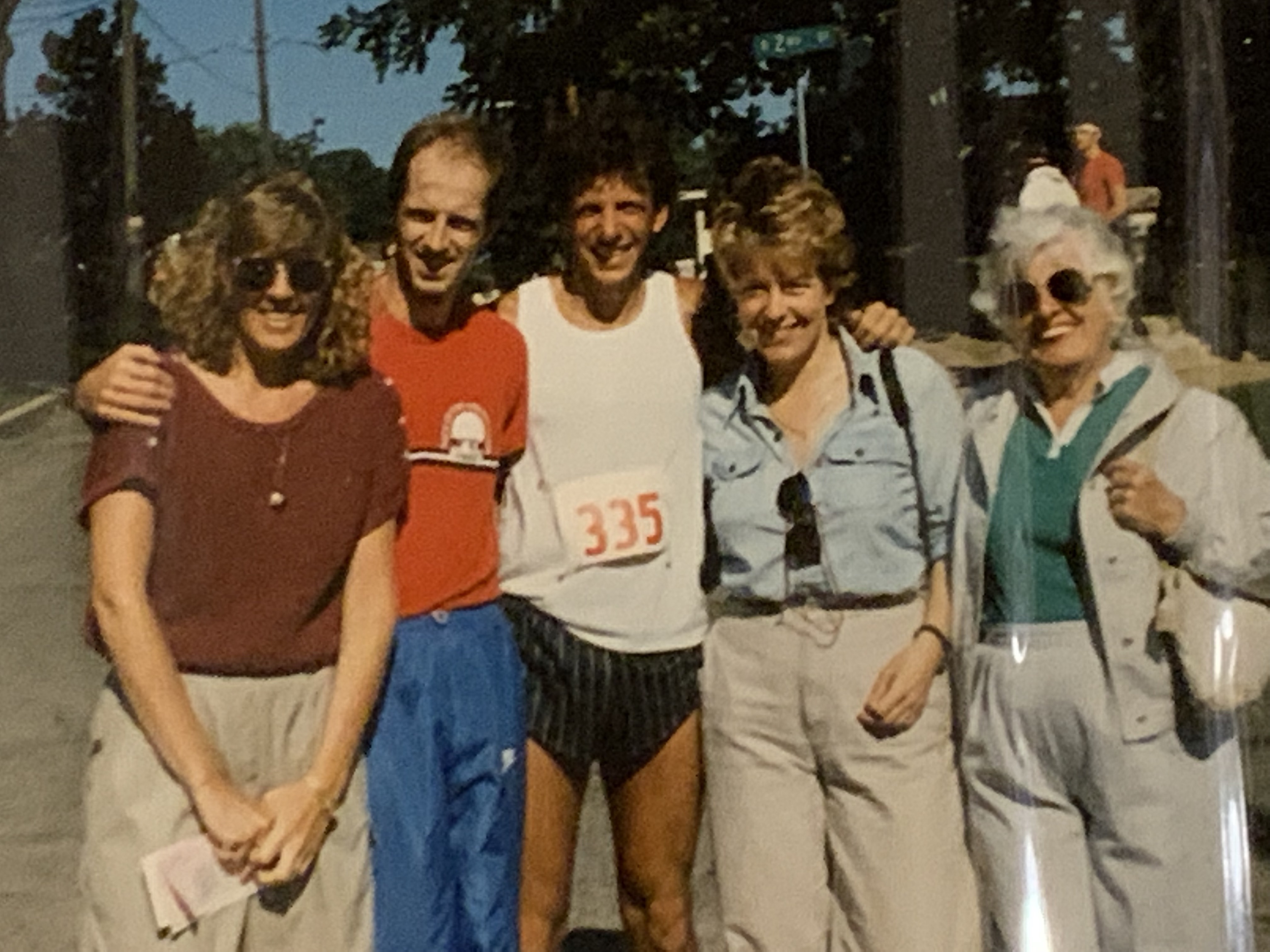

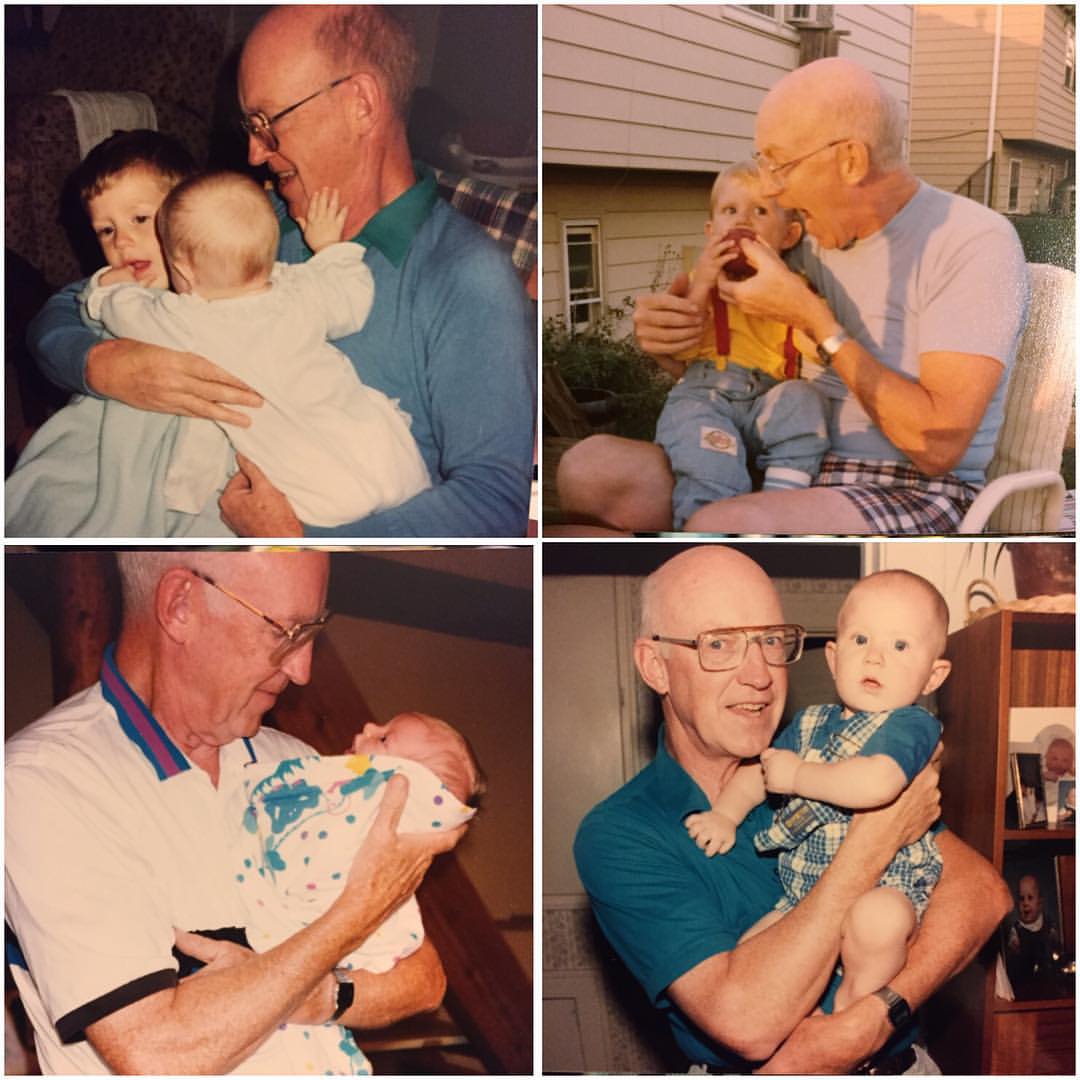
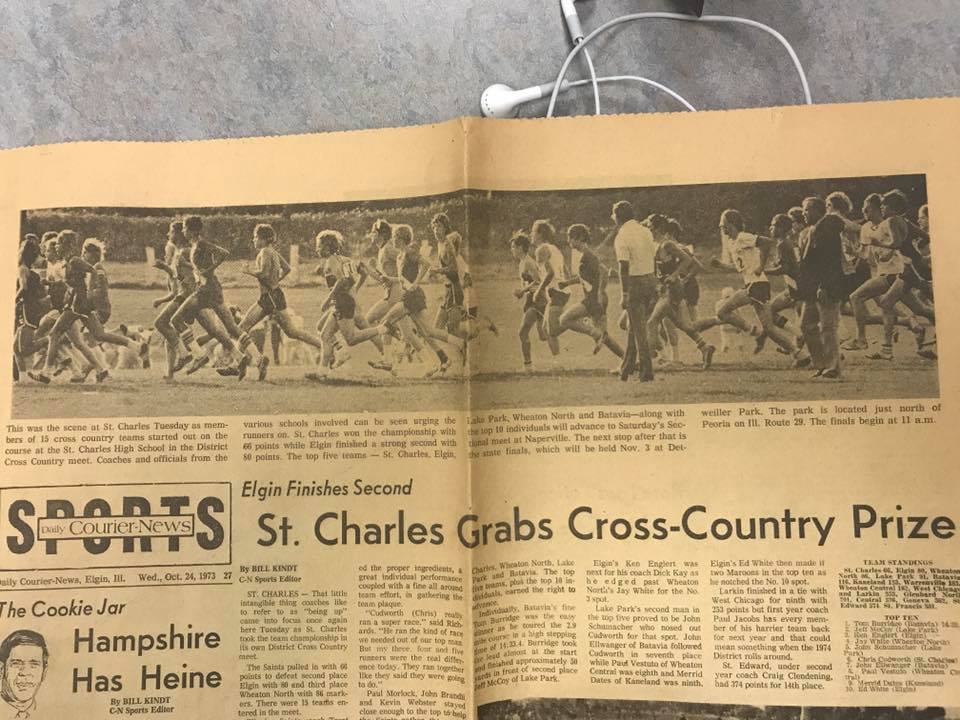
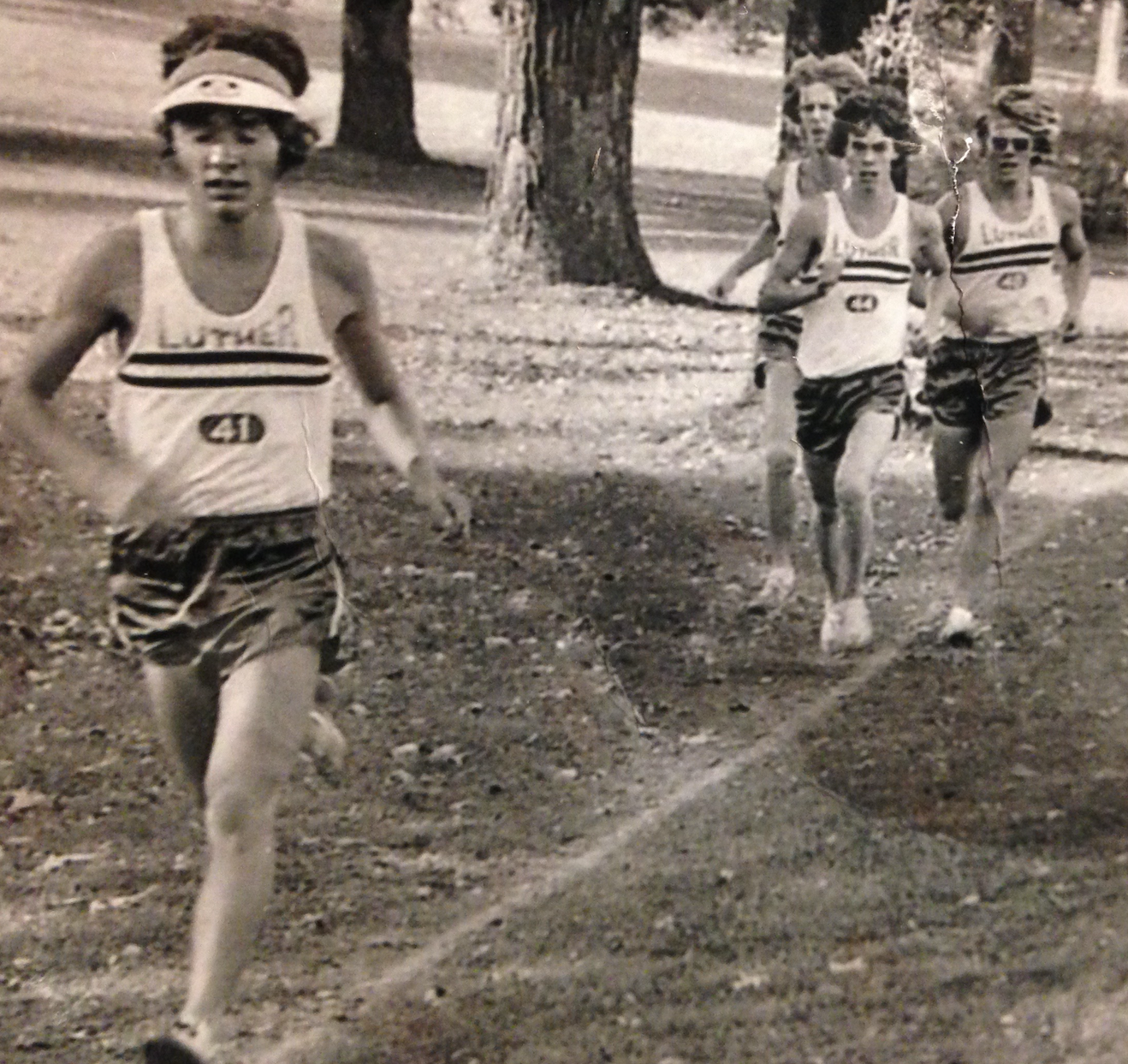

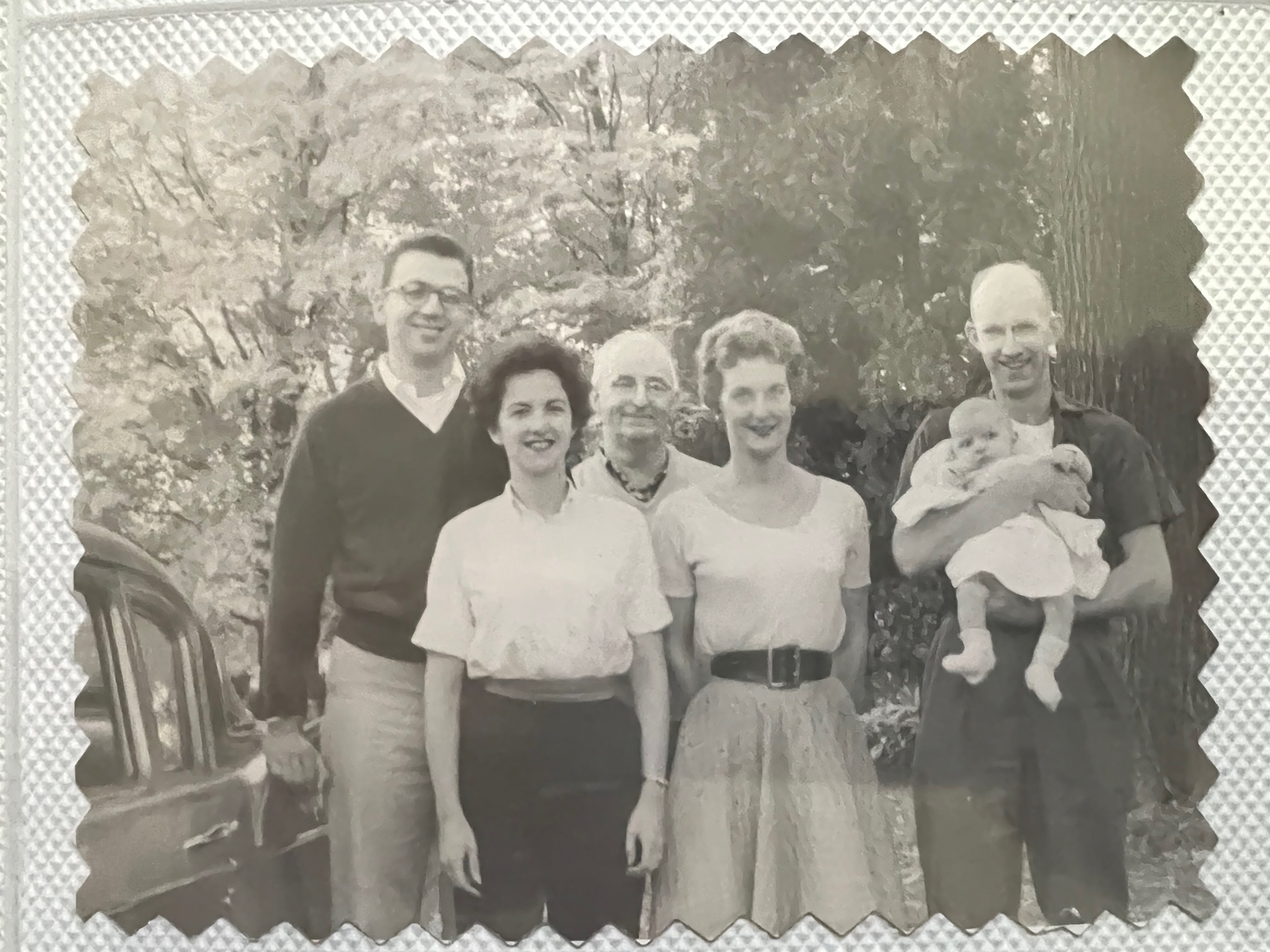





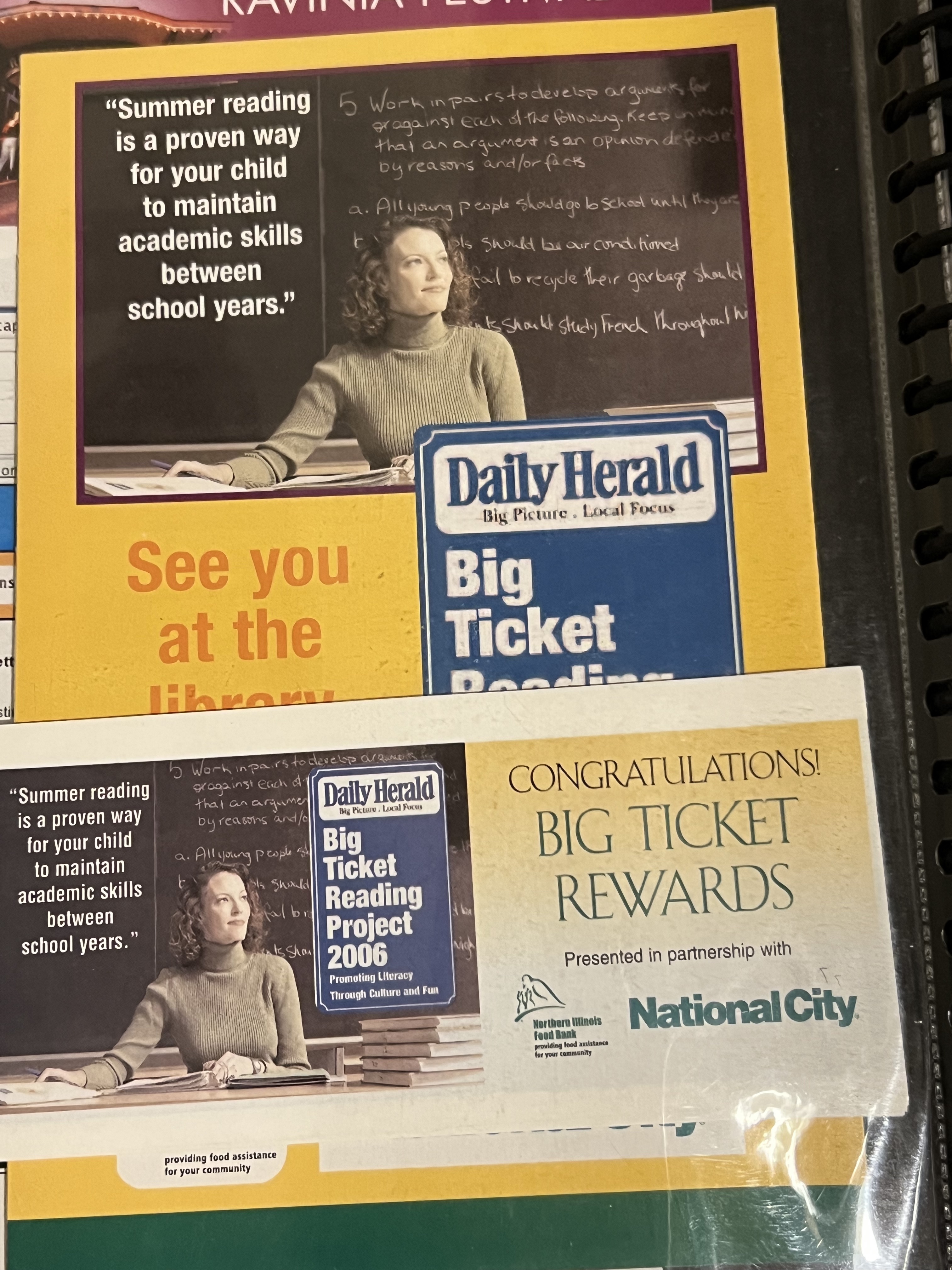



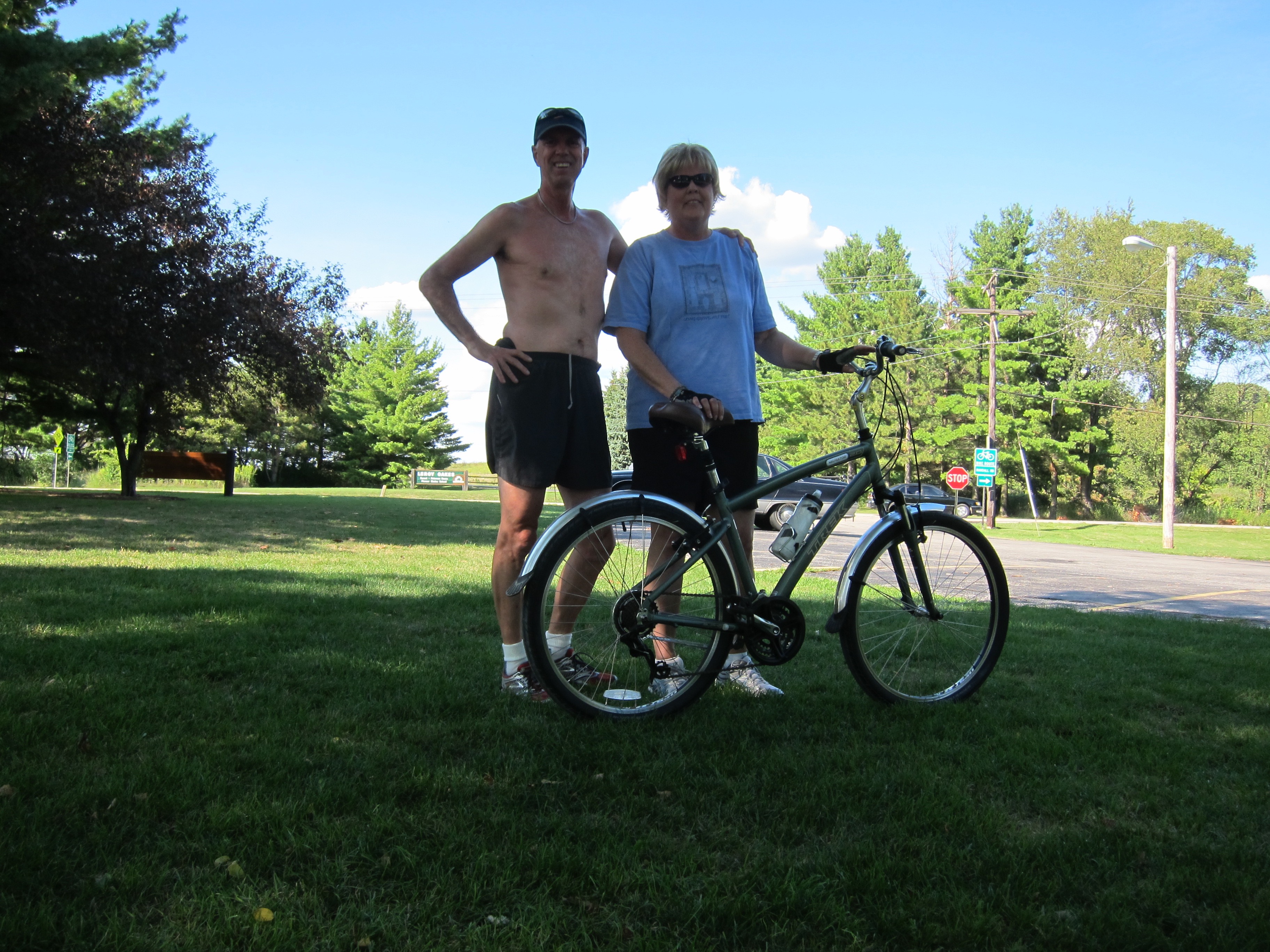




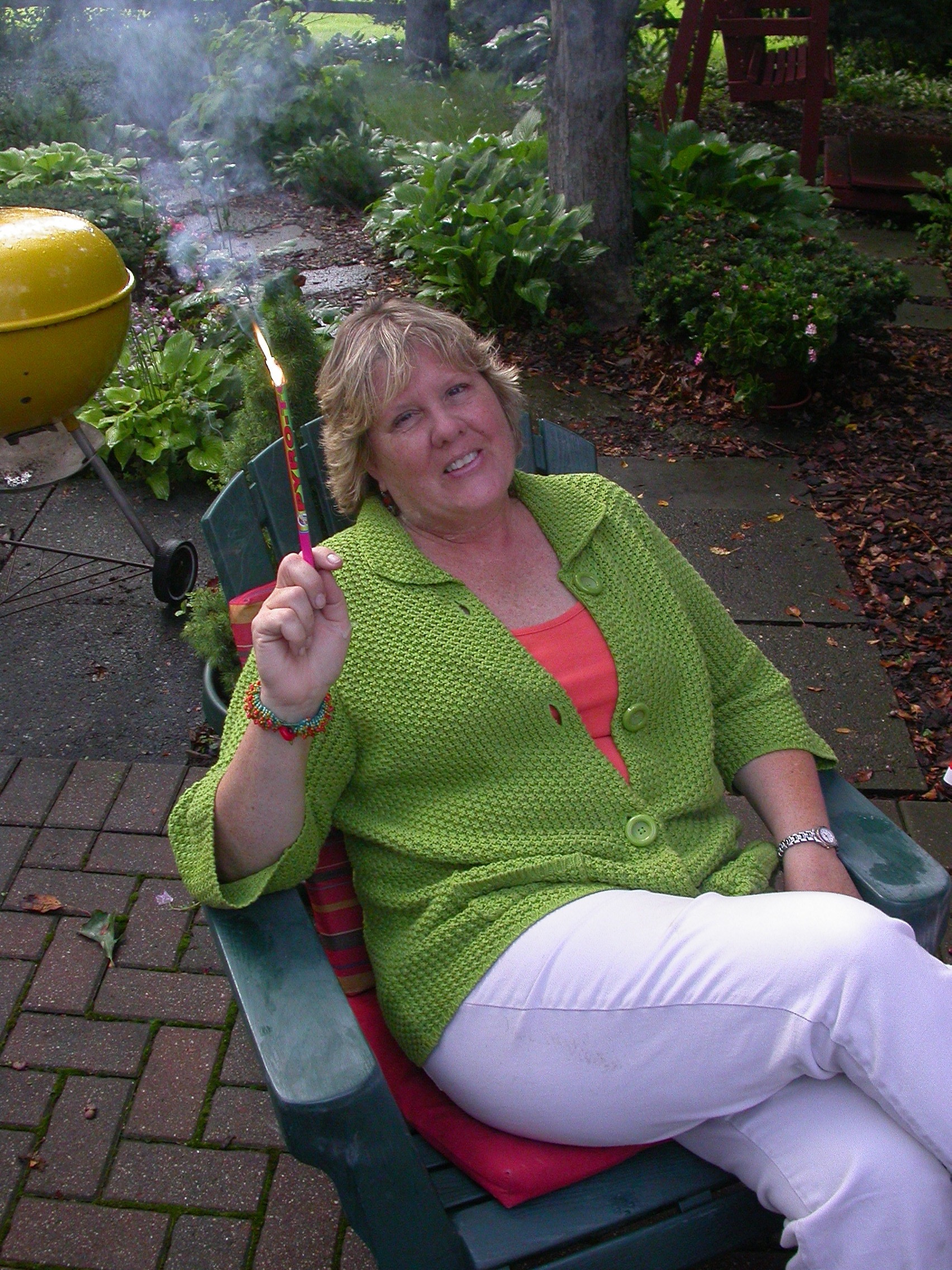


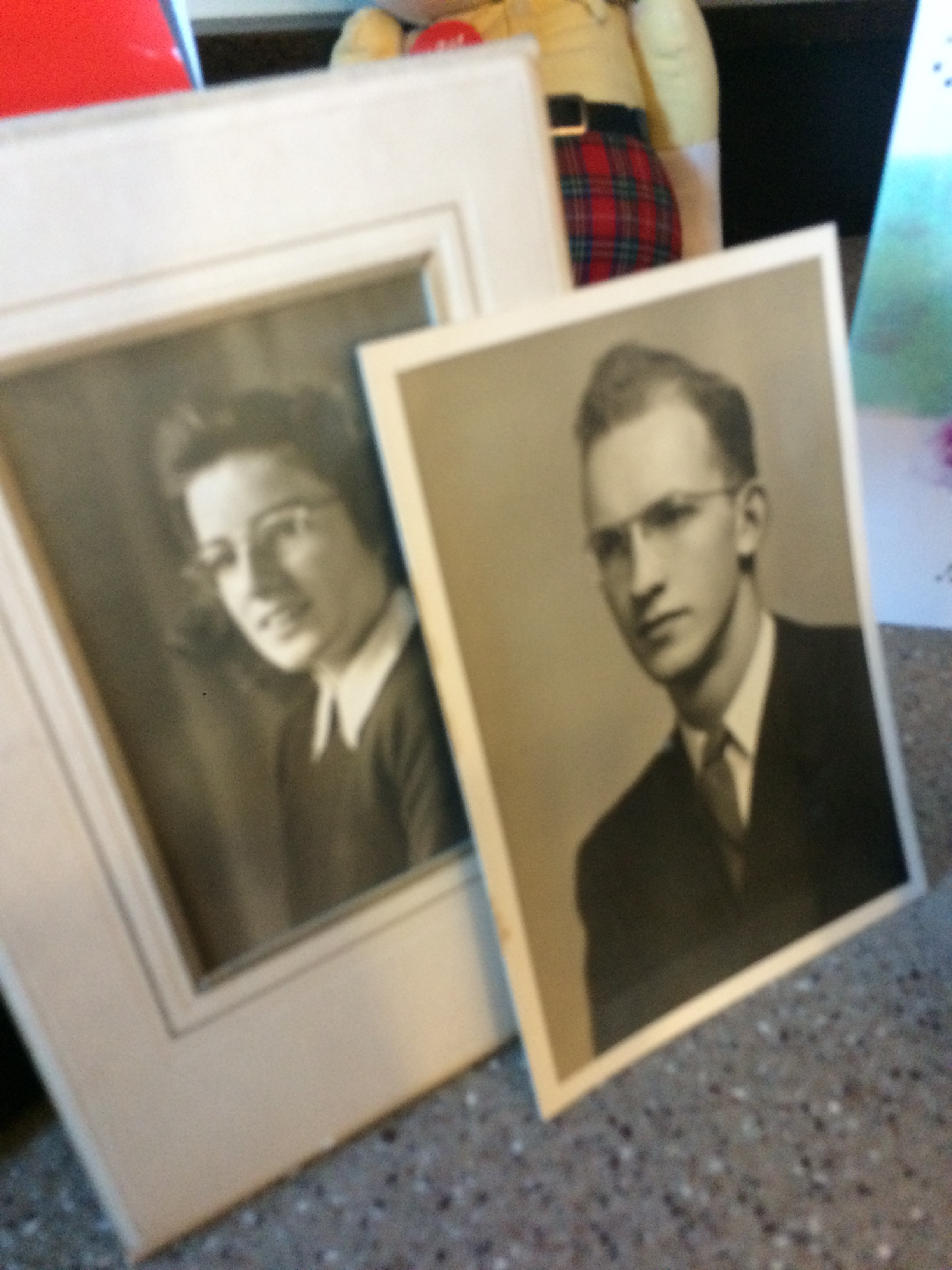



 The Right Kind of Pride