Tag Archives: ADHD

Life, abuse, and self-confidence

A pensive moment at 18 years old during a college field trip

Perhaps it’s been native anxiety that vexed me in life. I’m a nail-biting kid who grew into a nail-biting adult. The roots of anxiety are chemical but also familial and cultural. Raised in a family with three other brothers, a pushy father, and an enabling mother rife with her own fears (projected upon us) it’s no wonder my life bears marks of self-confidence failures.

That said, there was no more competitive kid than me. I compensated for anxiety by trying to win everything in sight. Sports was also a release for the high-energy needs of a kid with ADHD. But I never rationally understood that condition as a child. I knew that any boring subject turned me into a lost soul staring out the window during class. Or else I drew. Art was something I could turn that attention-deficit focus into something real. Later on, I found writing too. Those three pursuits are my life’s salvation. They fueled whatever self-confidence I could muster through those elementary school years through college.

I once had a 3rd-grade teacher who gave me a choice. “Chris, you can stay inside and work on the classroom play or go out for recess. Which do you want to do?”

Well, I was leading the kickball home-run contest during recess. It made me the hero of the whole school. But she didn’t ask me about that. I told her, “I want to go out to recess.”

“Fine,” she blurted. “You don’t get to do either. You can sit here with your head down the whole period.” That’s what she made me do. She punished me for a choice I had sound reasons to make.

But in 4th grade, I had a teacher whose Robert’s English Series curriculum combined writing, art, and plays. I thrived in that class and wrote about it once on this blog or another. One day I received a phone call from National Public Radio. A reporter conducted a Lexis-Nexus search about that curriculum and my writing was the only article that turned up. They interviewed me about it. It made me feel good to be recognized for appreciating the value of integrated education. It bolstered my self-confidence to hear that someone else understood the value of helping kids, especially neurodivergent kids like me, find self-confidence through innovative teaching.

These days, I substitute teach and notice many kids struggling with classroom attention. Perhaps I should have chosen teaching as a profession, but I’m not sure I had the self-confidence or self-assurance earlier in life to do so. It takes enormous focus for effective classroom management. I might have been too forgiving or unwilling to discipline kids acting badly.

Part of me also resists those tactics because our elementary schools in Pennsylvania used corporal punishment to control kids. In first grade, I shoved a kid for knocking over a Stratego game we were playing during indoor recess due to a rainy day. The kid tattled on me and instantly a vicious old lady teacher named Mrs. Paloney entered the room, grabbed me by the neck and hauled me out into the hallway where she told me to drop my pants and underwear to the floor and proceeded to spank my bare ass in front of other children in the hall.

Trauma transfer

Now, by that age, I’d witnessed my father thumping my brothers to the point where I was traumatized as a child seeing his fury. It frightened me beyond words. So being spanked further traumatized me. Later that afternoon, I saw my best friend spanked out on the playground for committing some small slight. I broke down in tears.

My first-grade teacher, Mrs. Cutler, saw me crying and somehow sensed a deeper fear in me. She escorted me inside and asked, “Is there something else going on, Chris?”

I longed to be honest with her at that moment but didn’t fully grasp why I reacted that way. What I do know is that many years later, during my late 20s, I awoke at night pounding my pillow in a fever dream of anger and rage. That’s the moment I realized that childhood trauma follows you and undermines the ability to have trust in yourself and self-confidence too. Soon after that I sought counseling. That didn’t work because the therapist wasn’t that good at discerning my need to reconcile the longstanding impacts of unfortunate life events.
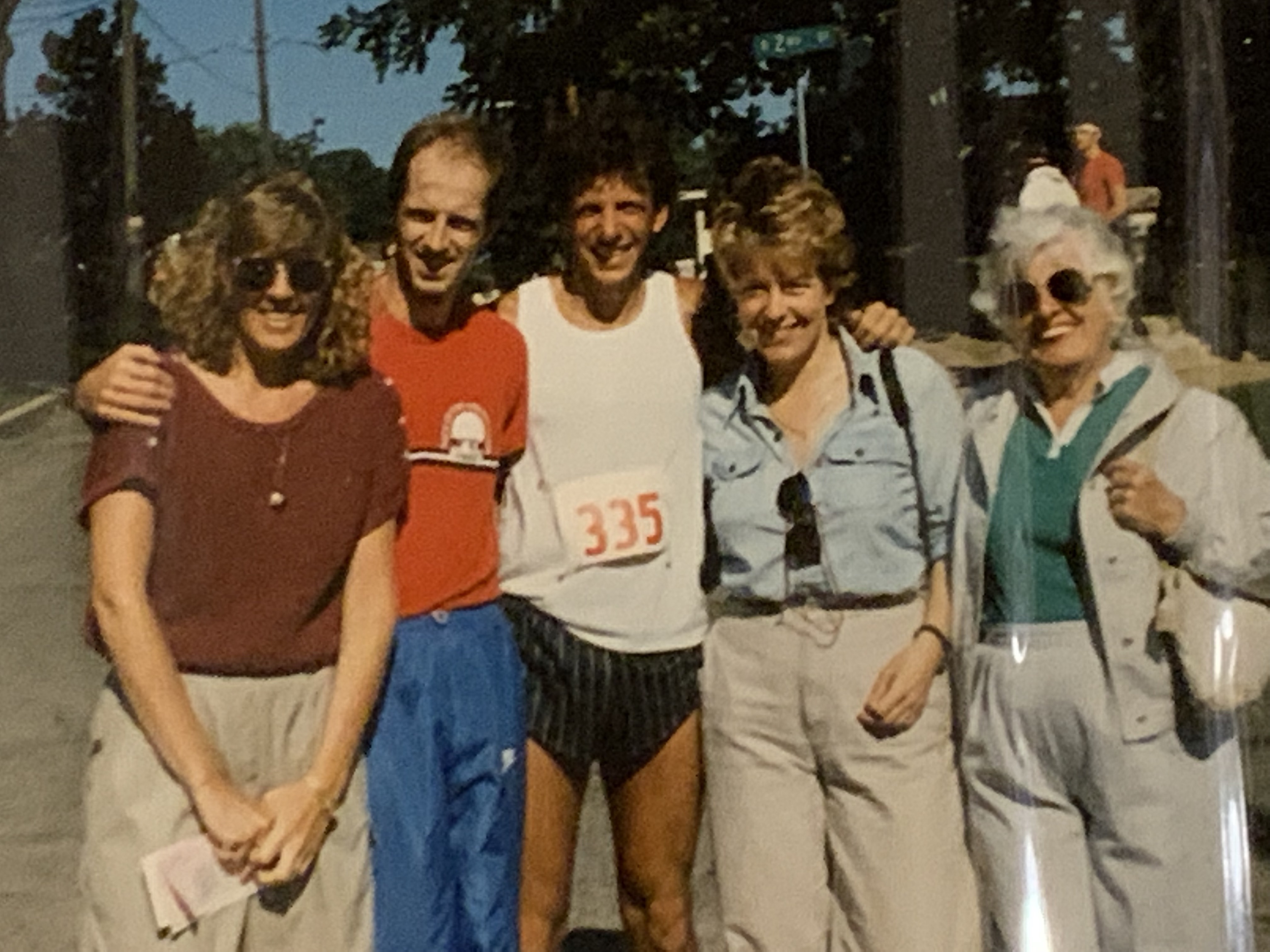
With my late wife Linda (left) best friends Greg and Francie, and my mother Emily following my win in the Geneva Community Classic 10K circa 1984

The long way around

During my late wife’s eight-year cancer survivorship, I sought counseling to help me manage caregiving for my late father as well. After a couple sessions, the therapist asked, “You seem good at forgiving others. How are you at forgiving yourself?”

That question answered numerous questions for me. It also allowed me to search past relationships and examine social (especially dating!) failures caused by that combination of early trauma, native anxiety and neurodivergent sensitivities. From then on, in my early fifties, I began building a different kind of self-confidence.

Racing in college cross country. Our team placed second in the nation.

Despite my lifelong struggles with a lack of self-respect and confidence, I achieved great things on many fronts. I led teams to national championships in running. I published art prints and won awards for design. I built a literacy project that grew to serve 375,000 families. And I’ve now published four books with several more on the way.

I also stood strong through ten-plus years of caregiving for my wife and father. Through that I learned patience which has an incredible effect, believe it or not, in building one’s self-confidence. I also grasped through experience that I have strong character under all sorts of duress. That strengthened my resolve and confidence in other ways. I walked out my father’s door one afternoon after my mother passed away in 2005 and realized, “This is all up to you, taking care of him now.” And I knew I could, and would, do my best at that.
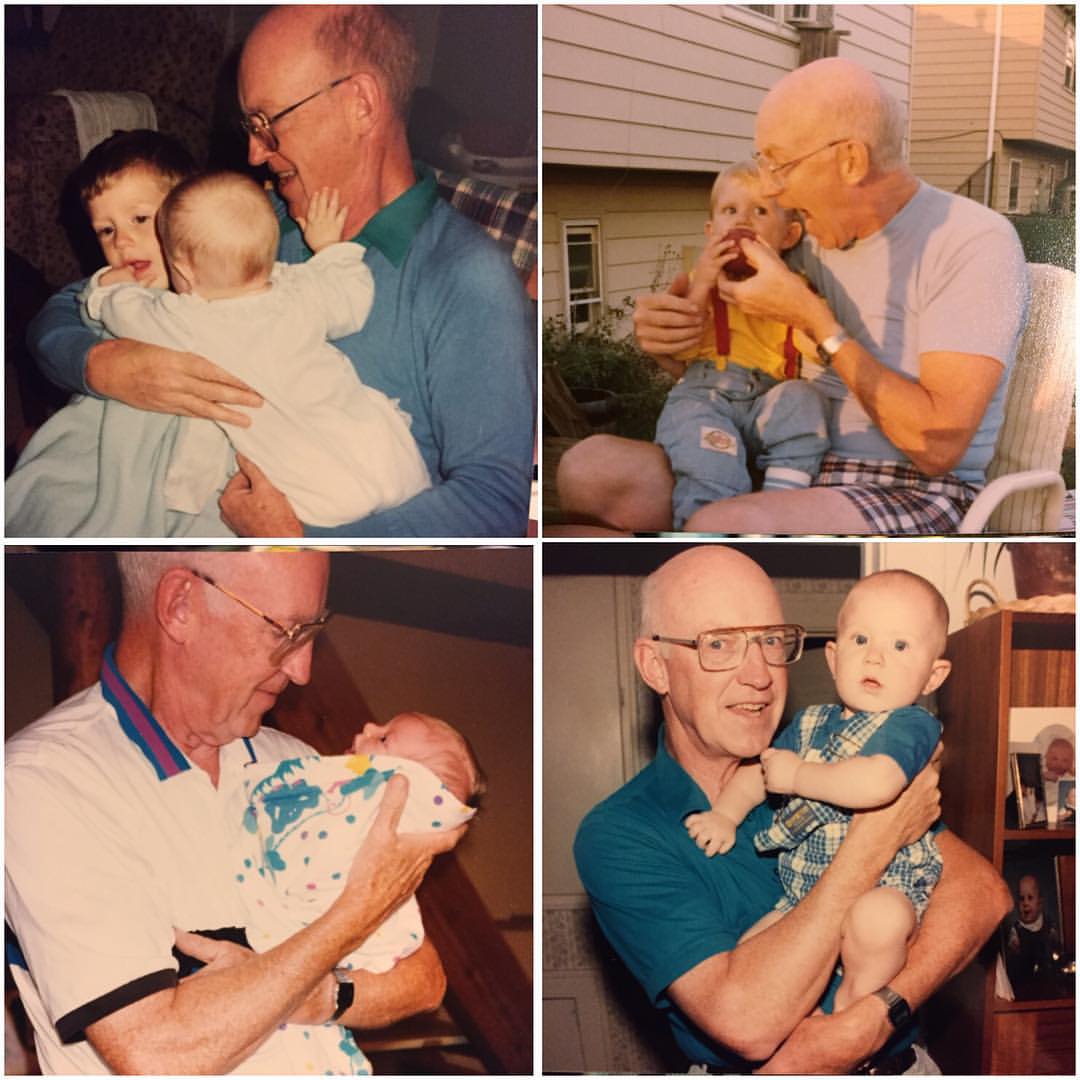
My father was in fact a loving man whose adoration for his grandkids proved it.

Which meant engaging with my father daily through all his medical and social needs. Over time, I came to realize that despite his fatherhood struggles raising four headstrong boys, he’d done much for me in support of my art and writing and sports. “Pay attention to your craft,” he once advised. That’s the best advice any father can give.

I believe I also helped my brothers dissolve some of their misgivings about our dad. Once the two eldest had trouble engaging with him, that ability improved in later years.

So, while the call of self-confidence waivers at times, and costs me opportunities due to fear, that’s my big “resolution” this year, to shove fear aside and continue on the paths I love. I hope you can too.

Are you overcoming fears this year? Share at cudworthfix@gmail.com

Coming to grips with ADHD

With my late wife Linda Cudworth in 1983.

In late 2012, just a few months before my late wife passed away, she attended a preschool conference presented by an insightful man talking about the effects of attention deficit disorder, or ADD. She came home that day and told me flat out: “This is you.” To her credit, she was offering the advice of a hard-headed woman. We all need that.

While the signs were all around us, we’d never talked about the subject of my occasional and sometimes persistent attention deficit disorder. Up to that point in life, I’d concentrated on coping with the effects of anxiety in my life. I’d been an anxious nailbiter since birth, a condition exacerbated by childhood trauma centered around physical and verbal abuse in the family. In an echo of that youth, I woke up pounding my pillow in anger at the age of twenty-nine.

By that point, I was taking steps to become mentally healthy after muddling through my twenties after a couple of years running full-time in a journeyman’s address of unfinished business. For me, running became the best form of therapy for anxiety and depression. Yet I ultimately needed to back away from the fact that it also ruled my life. I ended my competitive running career at the age of twenty-seven after getting married and conceiving our first child. I’ve always thought that was a mature step to take. I still do.

I still needed to assuage some of the anger resulting from life’s earlier experiences. By my early thirties, I’d sought therapy a few times without any grand results. One psychologist told me that I just needed to be stronger for my wife, and that would cure things. Sometimes we get shitty advice at the worst times in life.

On my own accord, I’d left a messed up job at the terminally corrupt Boy Scouts of America. From there I worked first in sales and then twenty-plus years in marketing with long streaks of career success interrupted by emphatic blunders. Those resulted from my lack of executive function as well as a propensity to talk too much in business situations and uncomfortably overshare because a mind consumed by ADHD unwittingly desires such things. I take responsibility for it all.

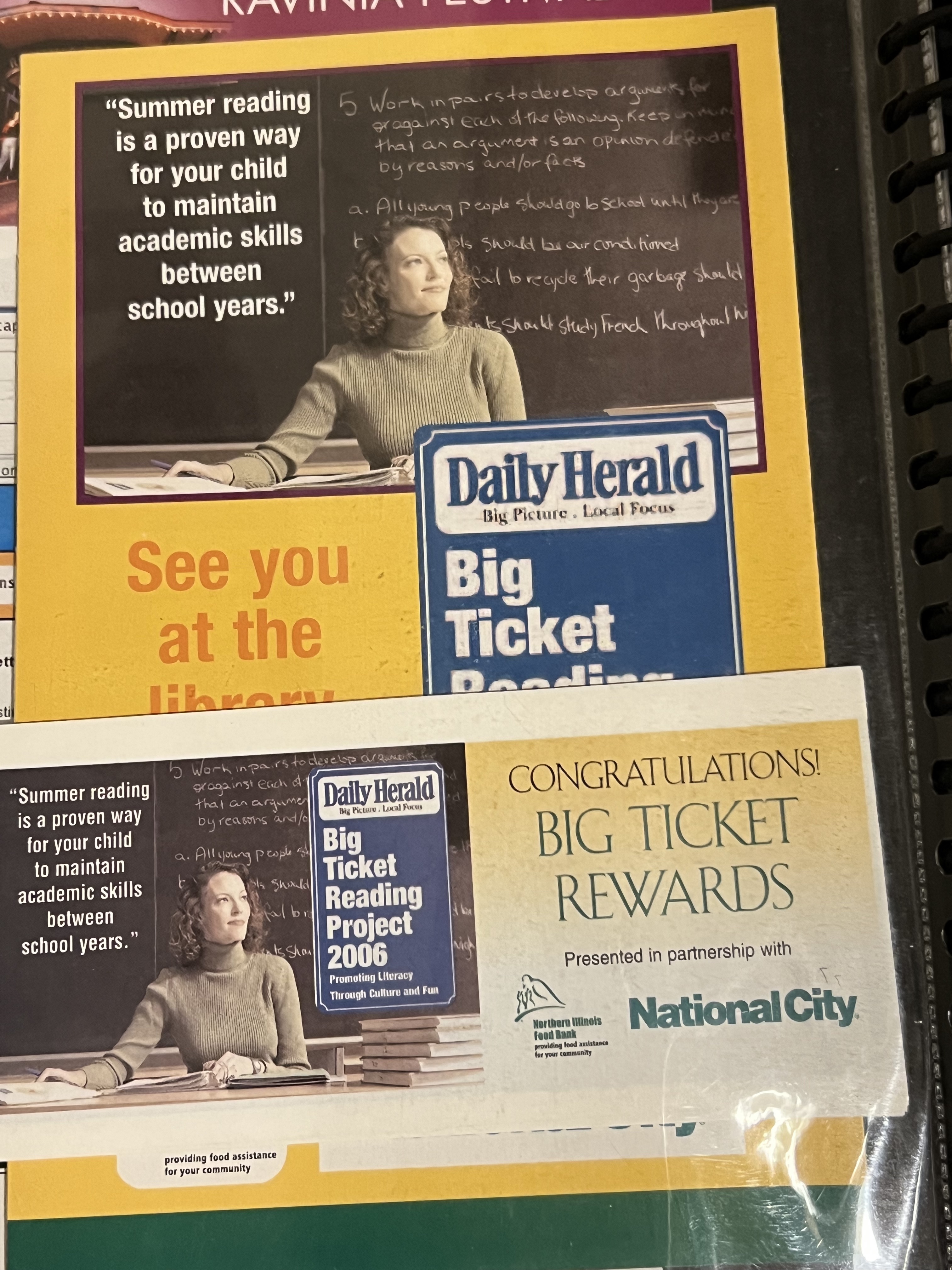
Collateral from the literacy program I created and built.

By the time 2005 rolled around, I was working as a marketing manager for the third-largest newspaper in Illinois. I’d built a burgeoning literacy program in collaboration with more than one hundred seventy public libraries serving 375,000 families. That same year, my mother passed away from pancreatic. Instantly, I became a caregiver to both my wife with ovarian cancer, and my father, who’d been a stroke victim since 2003.

Ironically, I thrived on the focus and pressure of caregiving. Little phased me in dealing with medical emergencies or day-to-day needs. Like most competitive distance runners, I thrived on challenges. That’s the stuff I could handle because ADHD actually embraces those functions. I had no problem turning my attention to what my wife or father needed. Hyperfocus is the superpower of ADHD.

It was always boredom that I dreaded. Quiet moments with nothing going on. God Forbid. That’s why I eventually took up cycling to complement the running. And later on, even swimming. Because moving is my salvation from inattention. It calms my brain. Allows me to think. I solve problems and come home ready to deal with reality. Boom.

Then there was the writing and the art. For those eight years with my late wife going in and out of remission, dealing with countless chemotherapy sessions and surgeries to boot, I’d sit my ass down and write my way through the stress. Or paint. The blogs I wrote to all the people supporting us through a caregiving website became the book I wrote about that journey. I titled it The Right Kind of Pride, pointing to vulnerability as the best kind of honesty and virtue.

As things wound down in 2012 and my wife struggled with seizures caused by cancer that had moved to her brain, she kept on teaching at the preschool where she worked. That was her salvation. Keep on keeping on. Yet after brain surgery and intense radiation treatments in early 2013, she needed steroids to cope with the bodily inflammation. Hyped up on powerful drugs, her personality went off the register and she lost functional capabilities and judgment. The preschool teaching had to end.

Yet before that period when her own health and mental state were fragile, she’d taken a cool look at my version of reality and shared that she’d seen enough in that presentation on ADD to know that I was definitely on that spectrum. All those years of lost keys and forgotten appointments, unfinished projects or commitments not quite fulfilled had taught her that I was possessed of a type of mental illness that didn’t just “go away” on its own.

I needed help. Yet for all her prescience, it would still take a few years to act on her wisdom.

Sometimes help comes in tangents, not in straight lines. During a therapy session with a counselor from Living Well Cancer Resource Center, the psychologist noted that I’d done well for years working with my demanding father despite age-old differences and emotional conflicts. “You seem good at forgiving others,” she observed. “How are you at forgiving yourself?”

That was an eye-opening observation. From that point on I was less harsh on myself for emotional failings and/or taking blame for familial disagreements. I’d stayed strong for my dad and my wife all those years despite many career and financial challenges along the way. I’d stayed the course. Forgiven what was needed to move on. We all do our best. That hasn’t resolved all the issues of course. Life is always a work in progress.

The big issue left to resolve was how to work with how my brain actually works. After all, I’d managed to produce plenty in life. Solo art shows. Written books and published limited edition prints. Placed articles in national magazines. That shit wasn’t all bad!

Yet it wasn’t until recently when my son Evan raised the issue of ADHD in our lives that I fully accepted the impact it has had on us. Looking back, I recall teacher conferences in which my mother (herself a teacher) met with instructors to discuss my lack of attention in class. Later on, through high school, I nearly failed subjects such as algebra if they disinterested me. Yet I got A’s in subjects I liked. I made it through college with a 3.1 average out of 4.0 but suffered some bad grades along the way. That’s life with ADHD. You can do nine out of ten things well, but the tenth one will bite you in the ass.

My son Evan Cudworth “levantating”

To this day, I realize that ADHD impinges on my ability to grasp certain kinds of material. That has cost me jobs, money, and even relationships. While I pride myself on paying attention to friends and family, sometimes I miss what people really want from me. There is considerable pain that comes with that gap in action and understanding.

Coming to grips with the impact of ADHD is not an easy thing. While forgiving yourself is a direct process, and dealing with the inevitable outcomes of an inherent mental condition is vital, seeking forgiveness from others isn’t an easy task. All we can do is keep trying.

In the meantime, I pat my pockets whenever I go out the door. To that end, I am vigilant about ADHD. I also remarried and my wife Sue looks at me differently than anyone I’ve ever known. An occasional “forget” is no big deal to her. Lacking that pressure, I seem to forget less than ever as a result. A hard-headed woman is a good thing to find. I’ve been blessed in life with a couple of them.

Sanity is relative

Recently I held Zoom call with a cousin that lives in Florida. His parents were my favorite aunt and uncle during my youth. They ran the farm on which my mother grew up. My father grew up on a farm right down the road and they met as kids and married after World War II. Then our family history began.

We lived through all the typical vagaries of families in America. My dad was in and out of work as an electrical engineer. My mom carried us through by teaching elementary school for 20+ years. There were hints of an affair by my father at one point, but my parents stuck it out for all of us. Four boys. All athletes. All creative. We lost a sister during childbirth between my next eldest brother and I. We seldom talked about any of that.

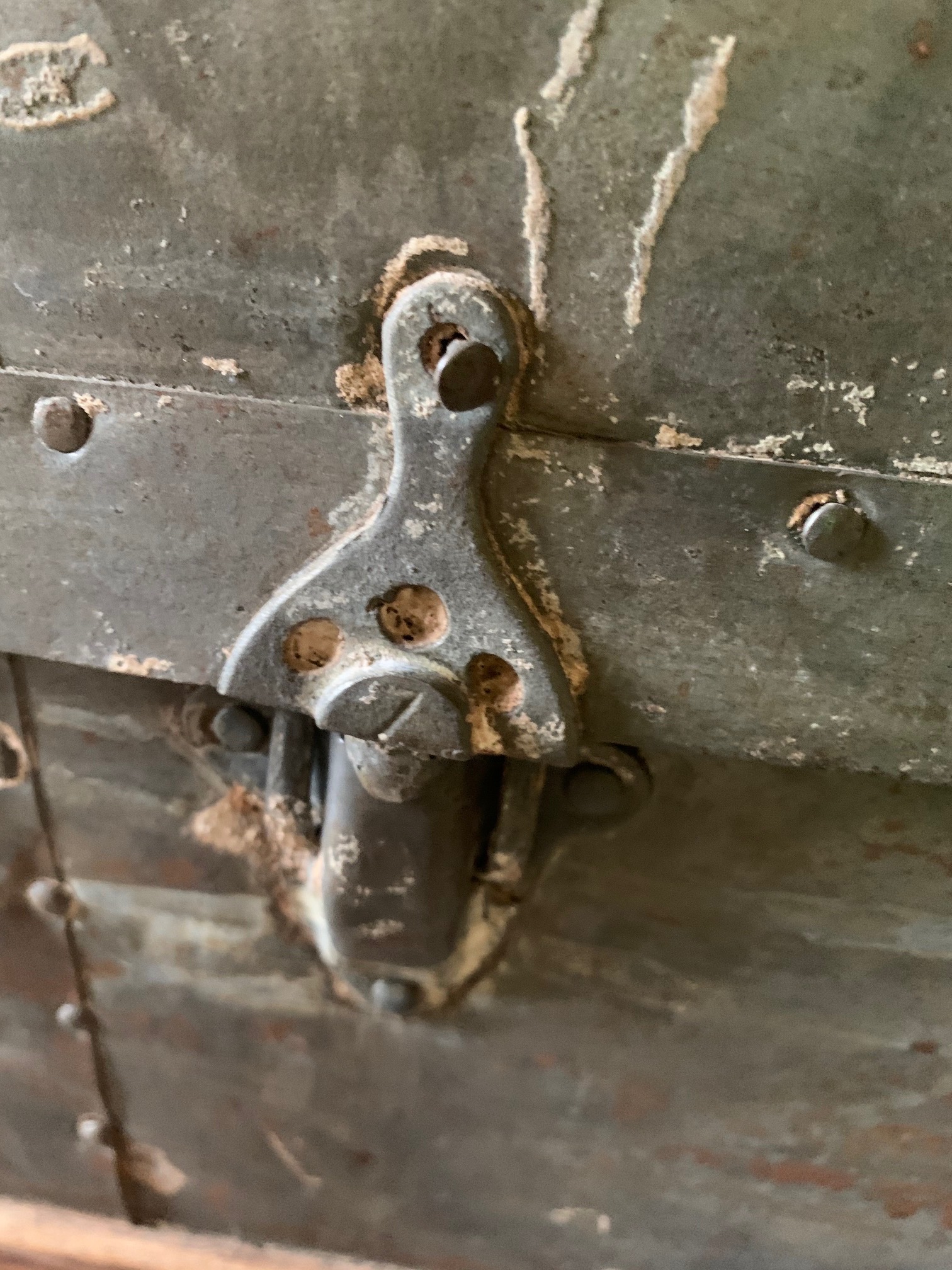
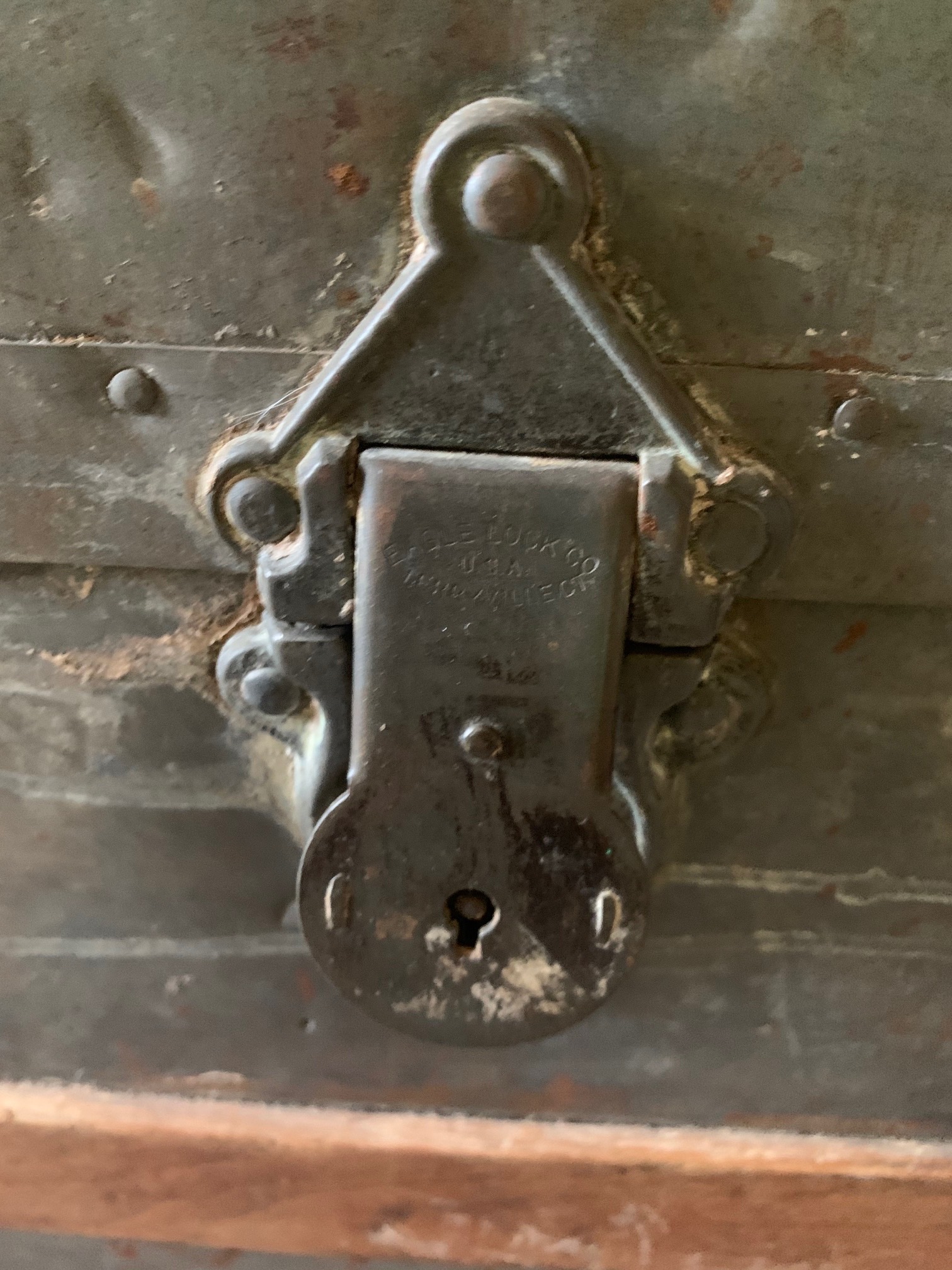
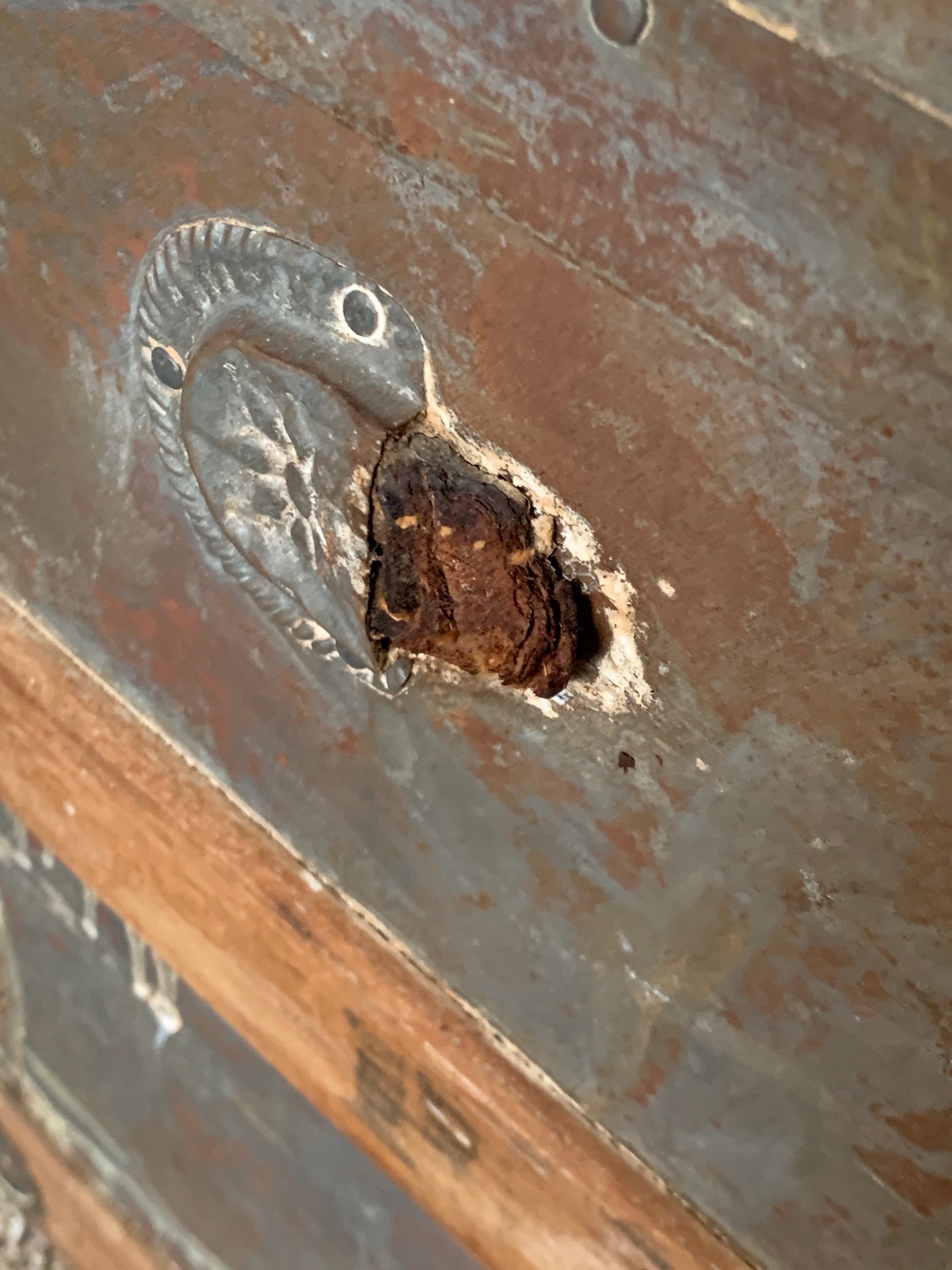
The hand-built chest created by my late grandfather Leo Nichols.

Instead, our family’s move from the East to the Midwest left us all without much contact with our relatives. That meant I never heard much about the rest of our family history from other perspectives. Our parents didn’t tell us that much either. More likely, we weren’t that interested in listening. Too preoccupied with sports and hormones.

Family history eventually does catch up with us all. It would be decades before I realized that my dad’s father suffered through the loss of his wife to sepsis after a breast cancer surgery. Or that he lost his farm in the Depression, then lost a store and another mate, and ultimately succumbed to deep depression requiring an institutional stay. All that family history was locked away in the Let’s Not Mention It Chest.

By the time it finally emerged, I’d long come to recognize symptoms of anxiety, depression, and some anger issues in myself. I met with counselors to help me sort it all out. Over time, I adopted coping strategies and gained cognitive perspective on triggers and traps that send people into ruminative thinking. That is the centripetal force of anxiety and depression. It is its own Black Hole.

While talking with my cousin about mental health on my father’s side of the family, he mentioned that anxiety and depression were ‘well-documented’ on my mother’s side as well. “Your grandfather was depressive,” he told me. “His father was worse.”

Finding out that ancestors dealt with mental health issues seems depressing, but in many respects, the opposite is true. I believe that knowing family history when it comes to mental health is a vital tool for living a healthy life. If you know the lay of the land, it is much easier to navigate it.

The same goes for attention-deficit disorders. I wish that someone sat me down during those early years, even in grade school, to explain that my mind works differently than other people. I already knew that from dealing with boredom and distraction in the classroom. I’d have welcomed the chance to address those issues with an adult who was honest with me, maybe even encouraging. Let’s be realistic: kids are much smarter about their own brains than most people realize.

My method of coping largely involved pouring energy into creative outlets such as art, painting or exercise. I could feel my brain engage and then relax while doing those things.

These days, psychologists often recommend art therapy and exercise to give people with ADD, anxiety or other mental health issues a healthy way to wick off distracted energy.

Even at a young age, I knew that I could often do the work if given the chance to get my brain on task. My fourth grade teacher understood that, and I thrived with good grades all year. The next year, my teacher was a stiff-necked disciplinarian who wanted nothing to do with creativity. Just learn.

Being to just “sit still and do it” was the opposite of how my mind worked, or what it needed. I rebelled at times, sometimes aggressively in the childhood manner of fighting back in various ways. That was an instinct exacerbated by a domineering father who probably suffered from ADD, anxiety and depression as well. He likely hated seeing the same symptoms in his children, even if he didn’t fully understand the source of his frustration.

So these cycles of relative sanity versus ruminative negativity are difficult to identify and cure. But it can be done. That is why I still find it fascinating to talk with a long-lost relative and hear about how people who came before us dealt with life’s challenges, and there were many.

The thing that sustains me through self-analysis and confession is the knowledge that while my relatives and ancestors faced sometimes significant challenges, they also worked hard to lead productive lives. My mother’s father was a farmer. He also a highly cultured man, encouraging my mother’s musical talents. He even hand-built her a violin that she took to Potsdam College in Upstate New York to become a music teacher. Decades later, my daughter Emily Joan (named after both her grandmothers) learned to play on that instrument before we purchased her a better instrument during her progression in music.

The other thing that I retain from the grandfather who built the violin is a hand-constructed chest made out of wood, tin and metal fasteners. I think about the talent and care that went into building that chest, and the home-grown knowledge of how to do it. The leather strap handles are long since gone, but I can lift that chest and know that the hands of a man I never met were what built it. There’s value in that.