
Perhaps it’s been native anxiety that vexed me in life. I’m a nail-biting kid who grew into a nail-biting adult. The roots of anxiety are chemical but also familial and cultural. Raised in a family with three other brothers, a pushy father, and an enabling mother rife with her own fears (projected upon us) it’s no wonder my life bears marks of self-confidence failures.
That said, there was no more competitive kid than me. I compensated for anxiety by trying to win everything in sight. Sports was also a release for the high-energy needs of a kid with ADHD. But I never rationally understood that condition as a child. I knew that any boring subject turned me into a lost soul staring out the window during class. Or else I drew. Art was something I could turn that attention-deficit focus into something real. Later on, I found writing too. Those three pursuits are my life’s salvation. They fueled whatever self-confidence I could muster through those elementary school years through college.
I once had a 3rd-grade teacher who gave me a choice. “Chris, you can stay inside and work on the classroom play or go out for recess. Which do you want to do?”
Well, I was leading the kickball home-run contest during recess. It made me the hero of the whole school. But she didn’t ask me about that. I told her, “I want to go out to recess.”
“Fine,” she blurted. “You don’t get to do either. You can sit here with your head down the whole period.” That’s what she made me do. She punished me for a choice I had sound reasons to make.
But in 4th grade, I had a teacher whose Robert’s English Series curriculum combined writing, art, and plays. I thrived in that class and wrote about it once on this blog or another. One day I received a phone call from National Public Radio. A reporter conducted a Lexis-Nexus search about that curriculum and my writing was the only article that turned up. They interviewed me about it. It made me feel good to be recognized for appreciating the value of integrated education. It bolstered my self-confidence to hear that someone else understood the value of helping kids, especially neurodivergent kids like me, find self-confidence through innovative teaching.
These days, I substitute teach and notice many kids struggling with classroom attention. Perhaps I should have chosen teaching as a profession, but I’m not sure I had the self-confidence or self-assurance earlier in life to do so. It takes enormous focus for effective classroom management. I might have been too forgiving or unwilling to discipline kids acting badly.
Part of me also resists those tactics because our elementary schools in Pennsylvania used corporal punishment to control kids. In first grade, I shoved a kid for knocking over a Stratego game we were playing during indoor recess due to a rainy day. The kid tattled on me and instantly a vicious old lady teacher named Mrs. Paloney entered the room, grabbed me by the neck and hauled me out into the hallway where she told me to drop my pants and underwear to the floor and proceeded to spank my bare ass in front of other children in the hall.
Trauma transfer
Now, by that age, I’d witnessed my father thumping my brothers to the point where I was traumatized as a child seeing his fury. It frightened me beyond words. So being spanked further traumatized me. Later that afternoon, I saw my best friend spanked out on the playground for committing some small slight. I broke down in tears.
My first-grade teacher, Mrs. Cutler, saw me crying and somehow sensed a deeper fear in me. She escorted me inside and asked, “Is there something else going on, Chris?”
I longed to be honest with her at that moment but didn’t fully grasp why I reacted that way. What I do know is that many years later, during my late 20s, I awoke at night pounding my pillow in a fever dream of anger and rage. That’s the moment I realized that childhood trauma follows you and undermines the ability to have trust in yourself and self-confidence too. Soon after that I sought counseling. That didn’t work because the therapist wasn’t that good at discerning my need to reconcile the longstanding impacts of unfortunate life events.
The long way around
During my late wife’s eight-year cancer survivorship, I sought counseling to help me manage caregiving for my late father as well. After a couple sessions, the therapist asked, “You seem good at forgiving others. How are you at forgiving yourself?”
That question answered numerous questions for me. It also allowed me to search past relationships and examine social (especially dating!) failures caused by that combination of early trauma, native anxiety and neurodivergent sensitivities. From then on, in my early fifties, I began building a different kind of self-confidence.

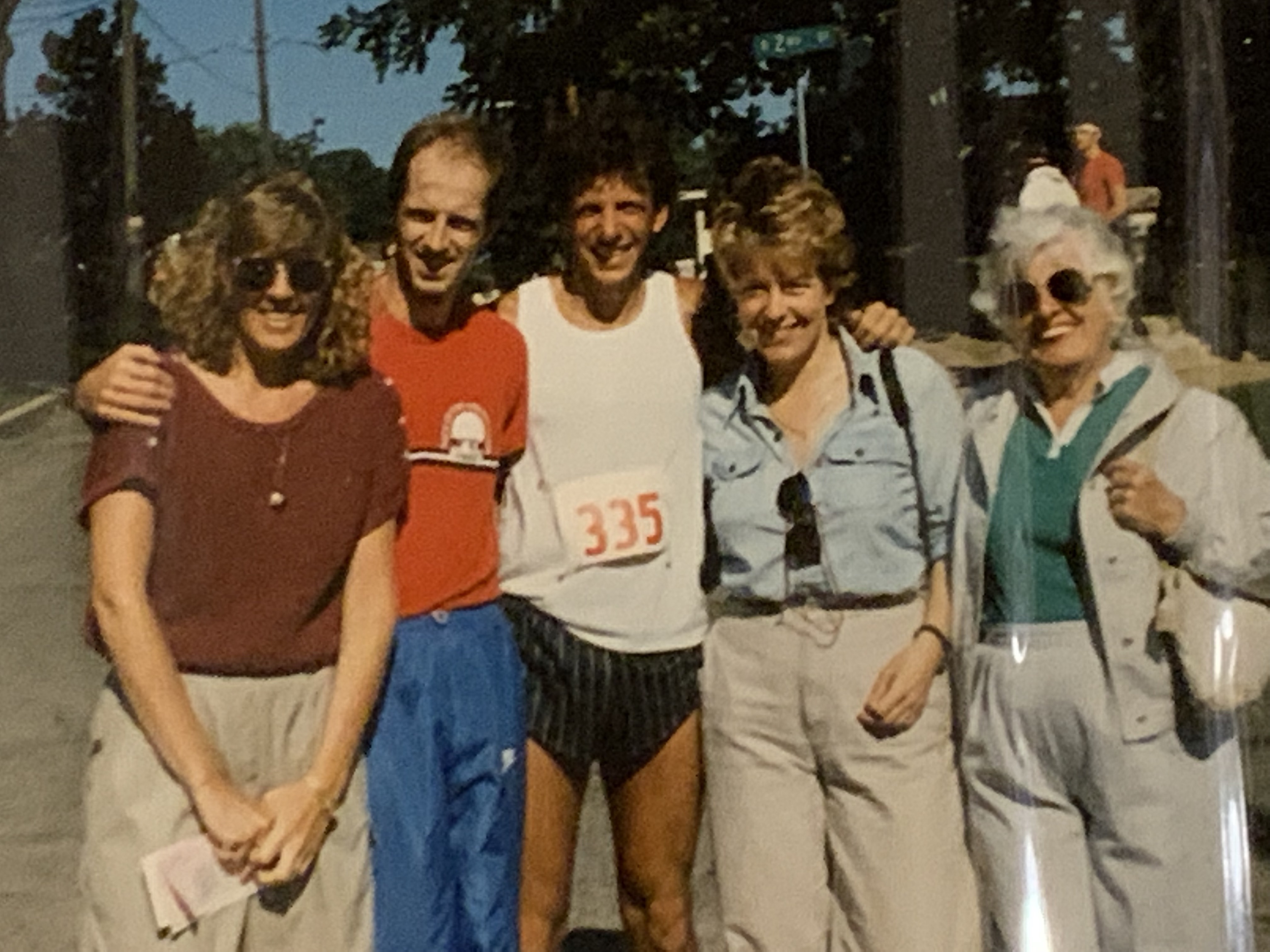
Despite my lifelong struggles with a lack of self-respect and confidence, I achieved great things on many fronts. I led teams to national championships in running. I published art prints and won awards for design. I built a literacy project that grew to serve 375,000 families. And I’ve now published four books with several more on the way.
I also stood strong through ten-plus years of caregiving for my wife and father. Through that I learned patience which has an incredible effect, believe it or not, in building one’s self-confidence. I also grasped through experience that I have strong character under all sorts of duress. That strengthened my resolve and confidence in other ways. I walked out my father’s door one afternoon after my mother passed away in 2005 and realized, “This is all up to you, taking care of him now.” And I knew I could, and would, do my best at that.
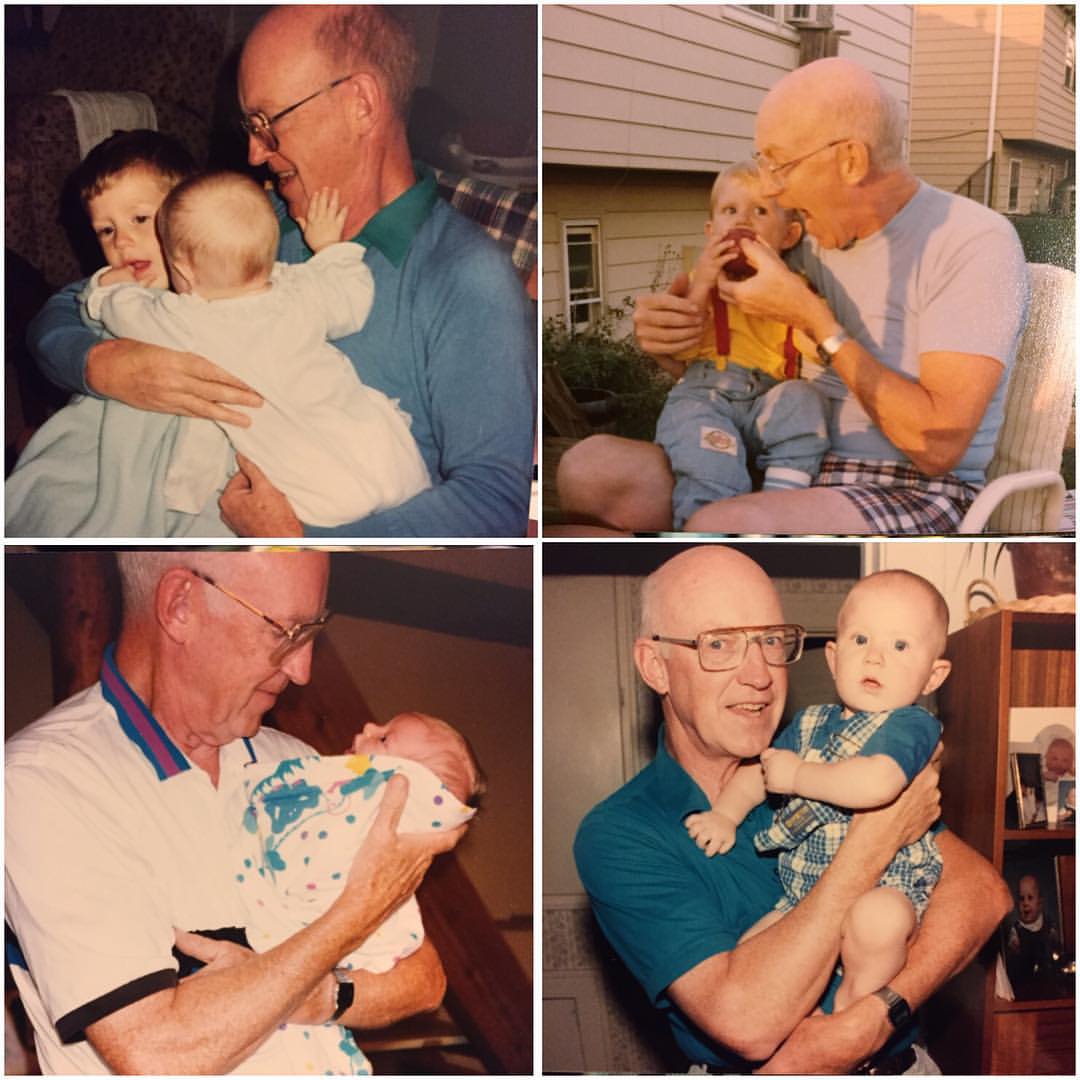
Which meant engaging with my father daily through all his medical and social needs. Over time, I came to realize that despite his fatherhood struggles raising four headstrong boys, he’d done much for me in support of my art and writing and sports. “Pay attention to your craft,” he once advised. That’s the best advice any father can give.
I believe I also helped my brothers dissolve some of their misgivings about our dad. Once the two eldest had trouble engaging with him, that ability improved in later years.
So, while the call of self-confidence waivers at times, and costs me opportunities due to fear, that’s my big “resolution” this year, to shove fear aside and continue on the paths I love. I hope you can too.
Are you overcoming fears this year? Share at cudworthfix@gmail.com






 There were more than 2000 people milling around the start line of the Thanksgiving Turkey Trot in our hometown. My racing instincts from long ago sent me out to a quiet street for a one-mile warmup jog. It had already been an eventful week getting my house ready to host 12 people for Thanksgiving. I was looking for a place, I suppose, to take a deep, long breath before doing the race.
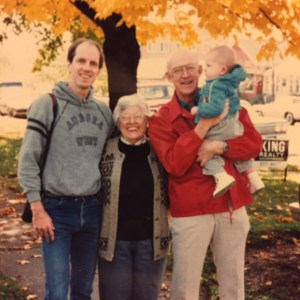 All those years of caregiving for him were not quite over. There were still financial issues to manage, and the sale of his home to discuss. All that functions like a practical soliloquy that must be sung in order to gain closure.
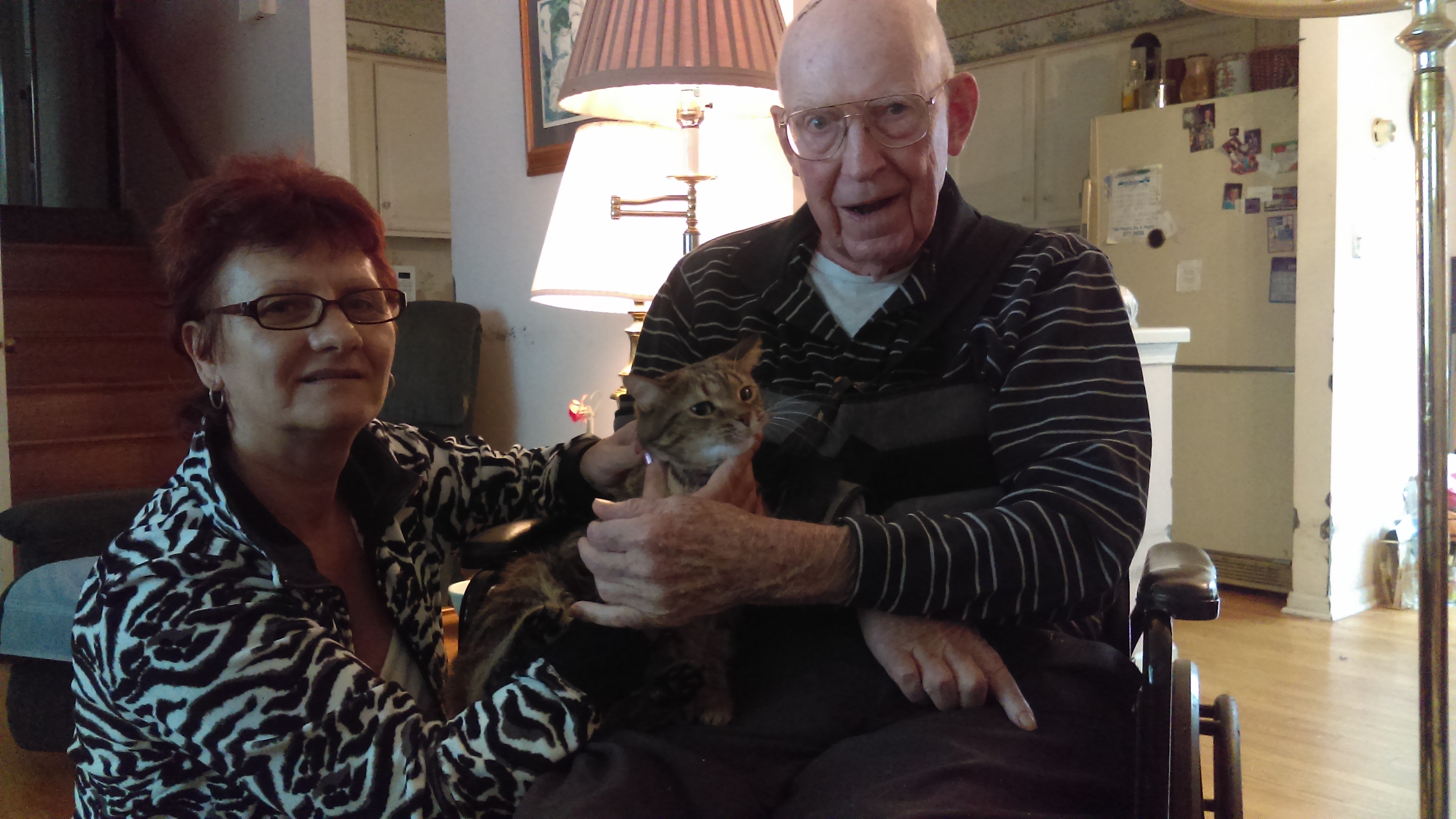 Not knowing what to expect after those quick changes, it struck me one day while walking into the home of my father that there were no real rules to this game. I was in charge of his life in consultation with my brothers. That meant there were always bills to pay and issues to discuss about his health and needs.
 There were many times I’d try to push the conversation toward something more pleasant such as memories of his that he might like to share. That was a tough gig too, because we could easily stall if I did not guess the name of the person involved in the story he wanted to relate. Even before his stroke we all had problems not knowing all the friends and family he thought we should know.
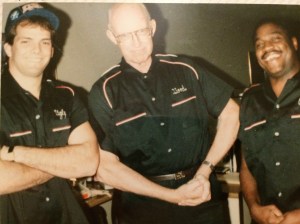 general that we, his sons, had never actually met. Or if we had, we did not remember them. Which was worse?
 The Right Kind of Pride